
GUAMA : THE TROPICAL “COTTON CANDY” FRUIT
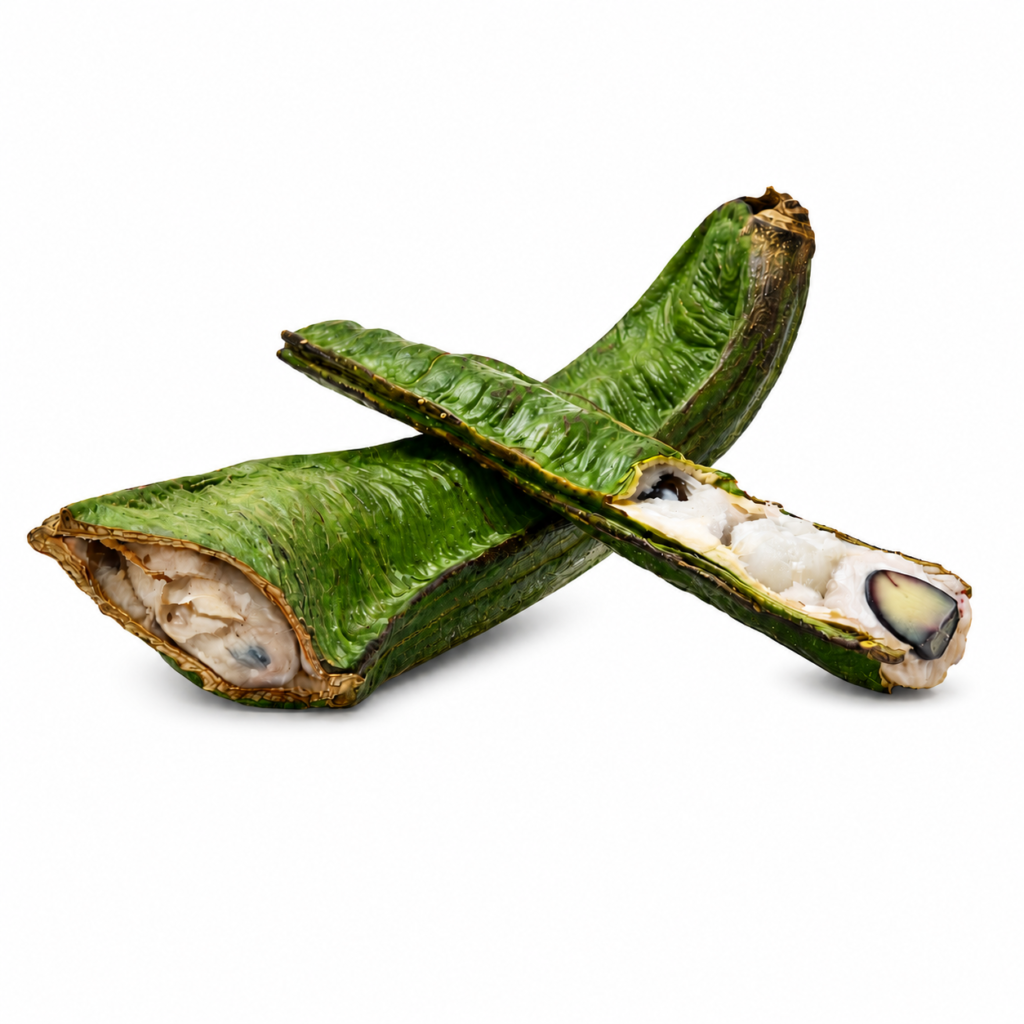
Guama fruit, also called guaba, pacay, pacae, cuajinicuil, paterna, or ice cream bean, is a tropical fruit from the species Inga edulis. Inside a long green pod, you find soft white pulp wrapped around dark seeds. The texture is fluffy, sweet, and almost cotton-like.
This is not a fruit you need to oversell as a miracle cure. Its real value is much more practical: freshness, hydration, natural sweetness, gentle carbohydrates, very low fat, and a fun way to swap ultra-processed sweets for real tropical fruit.
Eating guama is simple: open the pod, pull out the seeds covered in white pulp, and enjoy the sweet pulp around each seed. The seed itself is usually not eaten raw; in some cultures it may be cooked or roasted, but the main fresh-eating experience is all about the pulp.
More freshness. More natural sweetness. More real fruit. More tropical rainforest energy in your day.
The most popular edible part is the fluffy white pulp around the seeds: sweet, fresh, and soft.
Approximate value per 100 g of pulp: light, naturally sweet, and high in moisture.
The pulp is very low in fat, making it a lighter way to enjoy something naturally sweet.
Open the pod and enjoy the pulp around the seeds: simple, natural, and highly visual for video content.
What Is Guama Fruit or Guaba Fruit?
Guama is the fruit of Inga edulis, a tropical tree in the Fabaceae family. It is a pod fruit: you do not peel it like a mango or cut it like papaya. You open the pod and enjoy the white pulp that surrounds each seed. Across Latin America, it may also be called guaba, pacay, pacae, paterna, cuajinicuil, or ice cream bean.
🥭 Tropical pod fruit
Guama grows inside a long pod. The white pulp surrounds the seeds and is usually eaten fresh, straight from the pod.
🍦 Soft ice-cream-like sweetness
The name ice cream bean comes from the sweet, fluffy pulp. It is not actual ice cream, but it does feel like a natural tropical dessert.
🌱 Useful tree for farming
Beyond the fruit, the tree is valued in agroforestry: it provides shade for coffee and cacao, leaf litter, organic matter, and support for soil health.
Guama Nutrition Facts
Nutrition values can vary depending on species, ripeness, region, and the part analyzed. The most commonly cited values for Inga pulp describe a fruit that is high in moisture, naturally sweet, very low in fat, and modest in fiber and protein.
| Component | Approximate value per 100 g of pulp | What it means in real life | Useful take |
|---|---|---|---|
| Calories | ≈60 kcal | A relatively light fruit. | Good as a naturally sweet snack. |
| Moisture | ≈83% | Fresh, juicy pulp. | Great for a refreshing feel. |
| Carbohydrates | ≈15.5 g | Main energy source in the pulp. | Natural sweetness without added sugar. |
| Fiber | ≈1.2 g | A modest fiber contribution. | Do not market it as a very high-fiber fruit. |
| Protein | ≈1.0 g | Low amount in the pulp. | Pair with yogurt, kefir, or nuts if you want more protein. |
| Fat | ≈0.1 g | Very low in fat. | Good when you want something sweet but light. |
| Cooked seeds | More energy and protein than the pulp. | In some cultures, seeds may be boiled or roasted. | Do not promote raw seeds as a regular snack. |
Practical Benefits of Guama Fruit
Guama stands out more for everyday usefulness than for proven medicinal effects. It is fresh, sweet, low in fat, and easy to turn into a natural snack with personality. Its biggest real-world benefit may be helping you replace ultra-processed sweets with fruit.
⚡ Natural sweetness without ultra-processed snacks
When you crave something sweet, guama pulp can be a more real-food option than cookies, candy, pastries, or soda.
💧 Fresh and light feel
The pulp has high moisture and a soft texture. It works well as a walking snack, tropical treat, or refreshing dessert.
🍽️ Fun, visual snack
Opening the pod and pulling out the white pulp turns fruit into an experience. That is great for kids, videos, recipes, and educational content.
🌿 Very low in fat
The pulp is extremely low in fat. It can fit well when you want something sweet and light without reaching for heavy desserts.
🧡 Gentle energy
Its natural carbohydrates can provide quick, easy energy, especially on active days or as a light afternoon snack.
☕ Agroforestry value
Guama trees are used as shade for coffee and cacao, help improve soil, and support more sustainable tropical farming systems.
What the Evidence Says About Guama
Guama has clear food value, but health claims should be handled carefully. Much of the information on antioxidants and phenolic compounds comes from leaves, extracts, byproducts, or experimental studies, not from clinical trials in people eating fresh guama pulp.
| Area | What it may provide | Type of evidence | Practical level |
|---|---|---|---|
| Healthy snack | Sweet, fresh, low-fat pulp. | Food use + nutrition composition. | High practical value |
| Energy | Natural carbohydrates from the pulp. | Nutrition composition. | Moderate practical value |
| Antioxidants | Phenolic compounds and antioxidant activity described in Inga studies. | Extracts, leaves, or experimental studies. | Low for fresh pulp |
| Digestion | Some fiber, but not an especially high-fiber fruit. | Pulp composition. | Low to moderate |
| Diabetes, cholesterol, or blood pressure | No strong basis to promise clinical effects from eating guama. | Indirect or experimental evidence. | Do not use as a promise |
| Sustainable farming | Shade, leaf litter, nitrogen fixation, and soil support. | Agroforestry and farming use. | Strong in agricultural context |
How to Eat Guama Fruit Step by Step
Eating guama is very intuitive. You do not need a fancy knife, cooking skills, or a complicated recipe. The magic is opening the pod and enjoying the white pulp around each seed.
| Step | What to do | Practical tip | Result |
|---|---|---|---|
| 1. Choose the pod | Pick a whole pod with no major damage or strange smell. | It should feel fresh, not fermented. | Better flavor and texture. |
| 2. Open it | Break or cut the pod lengthwise. | Open it over a plate if it is very ripe. | You will see seeds covered in white pulp. |
| 3. Eat the pulp | Take each seed and enjoy the fluffy pulp around it. | Do not swallow large seeds if you do not need to. | Natural sweetness and soft texture. |
| 4. Handle the seeds | The seeds are usually not eaten raw. | If eaten, they are usually cooked or roasted. | More of a cooked ingredient than a fresh snack. |
| 5. Use it in recipes | The pulp can go into yogurt, bowls, gentle smoothies, or desserts. | Do not overheat it. | Quick tropical desserts. |
How to Use Guama Based on Your Goal
Guama works best as a fresh snack, tropical experience, or sweet-swap fruit. If you want a complete sports food or a very high-fiber fruit, combine it with other ingredients.
| Goal | How to eat guama | Main benefit | Practical tip |
|---|---|---|---|
| Sweet craving | Fresh pulp straight from the pod. | Natural sweetness without pastries. | Great swap for candy or cookies. |
| Light snack | Guama with plain yogurt. | Freshness + some protein. | Best without added sugar. |
| Kids and family | Open the pod and eat the pulp as a fun experience. | Educational and playful fruit. | Supervise around large seeds. |
| Tropical dessert | Pulp with cacao, cinnamon, or acidic fruit. | Dessert-like natural sweetness. | Pairs well with lime, yogurt, and pure cacao. |
| After a walk | Fresh guama + nuts or kefir. | Gentle carbs and more fullness. | Good snack, not a magic sports formula. |
Simple Weekly Guama Plan
Guama does not have to be eaten every day. It can be a special fruit for variety, surprise, and replacing industrial sweets with a real tropical experience.
| Day | Moment | How to eat it | Goal |
|---|---|---|---|
| Monday | Snack | Fresh pulp straight from the pod. | Start with a natural, different snack. |
| Tuesday | Breakfast | Plain yogurt with guama and cinnamon. | More freshness and some protein. |
| Wednesday | Afternoon | Guama with walnuts or almonds. | Natural sweetness + more fullness. |
| Thursday | Dessert | Guama pulp with pure cacao. | Replace ultra-processed desserts. |
| Friday | After a walk | Guama with kefir or Greek yogurt. | Light energy recovery. |
| Saturday | Family moment | Open several pods and taste them fresh. | Create a visual, educational experience. |
| Sunday | Balance | Take a break or enjoy a small portion. | Keep fruit variety high. |
Easy Guama Recipes
Guama is best enjoyed fresh. Its white pulp is delicate, so it works better in cold, quick, gentle recipes. The idea is not to hide its flavor, but to support it.
| Recipe | Ingredients | Steps | Time |
|---|---|---|---|
| Fresh guama | 1 guama pod. | Open the pod, pull out the seeds, and enjoy the white pulp. | 3 min |
| Tropical yogurt | Guama pulp, plain yogurt, cinnamon. | Mix gently and serve cold. | 4 min |
| Soft tropical bowl | Guama, banana, yogurt, walnuts. | Build the bowl and add guama pulp at the end. | 6 min |
| Guama with cacao | Guama pulp, pure cacao, almonds. | Sprinkle cacao and add chopped almonds. | 4 min |
| Fresh dessert | Guama, mango, lime, yogurt. | Combine fruit and yogurt; finish with a few drops of lime. | 7 min |
| Very gentle smoothie | Guama pulp, plant-based drink, ice. | Blend briefly to keep some texture. | 5 min |
🥤 Gentle guama smoothie
Ingredients: guama pulp, plant-based drink, ice, and a touch of cinnamon.
Best moment: afternoon snack.
Why it works: refreshing and naturally sweet.
🍨 Guama with cacao
Ingredients: guama pulp, pure cacao, and almonds.
Best moment: quick dessert.
Why it works: it feels indulgent, but starts with real fruit.
🥗 White tropical bowl
Ingredients: guama, yogurt, banana, and walnuts.
Best moment: breakfast or afternoon snack.
Why it works: adds protein, texture, and more fullness.
🍋 Guama with lime
Ingredients: guama pulp and a few drops of lime.
Best moment: hot day.
Why it works: acidity lifts the sweetness and makes it even fresher.
Guama vs Soursop, Sweet Granadilla, and Peach Palm
Guama has its own personality in the tropical fruit world. It is not creamy like soursop or juicy like sweet granadilla. Its magic is the pod and the cottony white pulp.
| Fruit | Texture | Main use | Practical take |
|---|---|---|---|
| Guama / guaba | White cotton-like pulp around seeds. | Fresh snack straight from the pod. | The most curious and visual. |
| Soursop | White creamy and fibrous pulp. | Juices, smoothies, desserts. | More intense for drinks and desserts. |
| Sweet granadilla | Jelly-like pulp with seeds. | Eat with a spoon, juices, yogurt. | Juicier and easier to mix. |
| Peach palm | Dense, starchy, and filling. | Cooked, with salt, honey, or lime. | Much heavier and more energy-dense. |
Safety, Seeds, and Precautions
Fresh guama pulp is widely eaten as food in tropical America. Still, it is important to explain which part is eaten and to avoid medicinal promises. The pulp is the main fresh-eating part; the seeds are not the usual raw snack.
| Situation | Precaution | What to do |
|---|---|---|
| Fresh pulp | This is the most enjoyed edible part. | Eat the white pulp around the seed. |
| Seeds | Usually not eaten raw as a snack. | If consumed, they are typically cooked or roasted according to local traditions. |
| Children | The seeds are large. | Supervise to reduce choking risk. |
| Diabetes or glucose control | The pulp contains natural carbohydrates. | Use moderate portions and follow medical guidance if needed. |
| Allergies | Any fruit can cause sensitivity in some people. | Try a small amount first if you have allergy history. |
| Fermentation | The fruit can spoil quickly. | Avoid pods with odd smell, mold, or fermented taste. |
Common Mistakes When Eating Guama
Guama is simple, but a few mistakes can ruin the experience. The biggest one is treating it like a regular smoothie fruit when its real charm is in the fresh pulp and fluffy texture.
| Mistake | Why it is not ideal | Better option |
|---|---|---|
| Eating raw seeds like nuts | That is not the usual use and they may be hard or unpleasant. | Enjoy the pulp and discard the seed, or cook it if you know the preparation. |
| Adding too much sugar | The pulp is already naturally sweet. | Use cinnamon, pure cacao, or lime. |
| Promising cures | There is no strong human clinical evidence for fresh guama pulp. | Talk about practical and realistic nutrition benefits. |
| Over-blending | You lose the special cotton-like texture. | Blend briefly or use it as a topping. |
| Storing too long | The pulp can spoil quickly. | Eat fresh or refrigerate briefly. |
Frequently Asked Questions About Guama Fruit
| Question | Practical answer |
|---|---|
| What is guama fruit? | Guama or guaba is a tropical fruit from Inga edulis. It grows inside long pods and has sweet white pulp around the seeds. |
| How do you eat guama? | Open the pod, remove the seeds covered with pulp, and enjoy the white pulp. The seed is usually discarded unless it will be cooked. |
| What does guama taste like? | It tastes sweet, gentle, and fresh. Many people compare it to vanilla, cotton candy, or soft ice cream. |
| Are guama and guaba the same? | In many regions, yes, both names refer to Inga edulis, but names vary by country: pacay, pacae, paterna, cuajinicuil, or ice cream bean. |
| What are the benefits of guama? | Its practical benefit is being a natural, sweet, low-fat, refreshing snack that may help replace ultra-processed sweets. The tree also has ecological value in shade and soil systems. |
| Is guama good for kids? | The pulp is eaten by children and adults in tropical America, but large seeds should be supervised to reduce choking risk. |
| Can you eat guama seeds? | They are not usually eaten raw as a snack. In some cultures they are boiled or roasted, but the main fresh-eating part is the white pulp. |
Tropical Cotton Mode: ON 🧡
Guama has that instant wow factor: you open a long pod and find soft white pulp that feels made to surprise people. It is fruit, experience, and highly visual content all in one.
You do not need to turn it into a medical promise. Its power is simple: swap an industrial sweet for a real, fresh, fun tropical snack.
More real fruit. More curiosity. More freshness. More tropical flavor with a story.
Note: this content is for informational purposes only and does not replace advice from a doctor, registered dietitian, endocrinologist, or qualified health professional.
Useful Editorial References
For editorial review, compare sources such as Kew Plants of the World Online for taxonomy, agroforestry resources on Inga edulis, tropical tree sheets from Central America, classic composition data for pulp and seeds, and studies on phenolic compounds and antioxidant activity in Inga species. This page uses a careful interpretation: real practical benefits, without promising clinical effects that have not been proven from eating fresh pulp.