
Which Tropical Fruits Provide the Most Energy? 8 Fruits Compared
Looking for fruits that add energy to your day? Some, like coconut, get most of their calories from fat; others provide mostly carbohydrates. Here are eight tropical fruits ranked by their approximate calories per 100 grams of edible fruit, plus a few easy ways to enjoy them.
Coconut
About 350–423 calories per 100 g of mature coconut meat
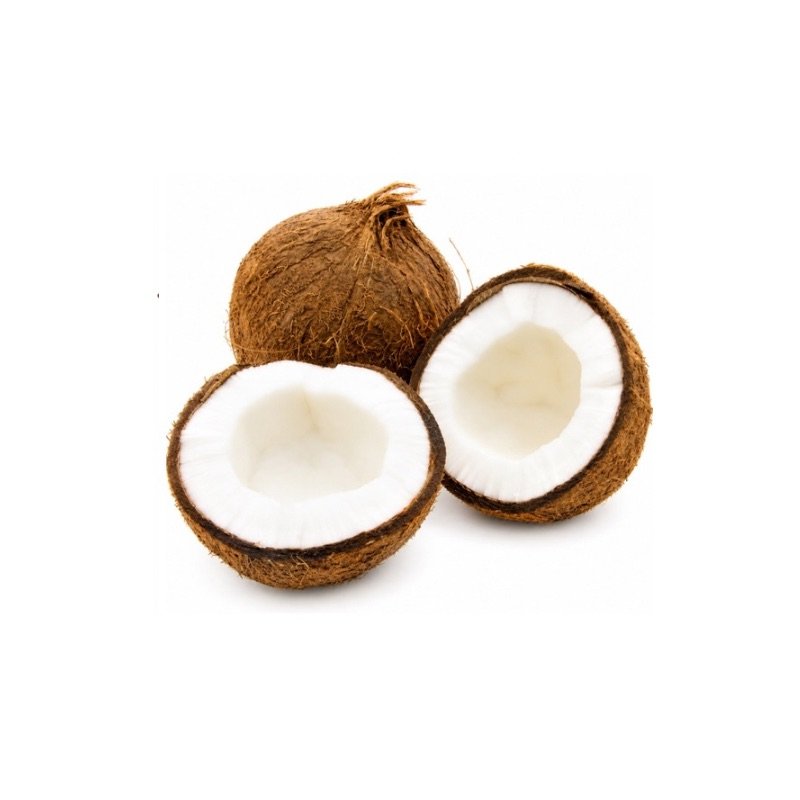
Mature coconut meat gets most of its calories from fat. A little goes a long way in yogurt or oatmeal, adding flavor as well as energy. Coconut water is a different story: it has far fewer calories than the flesh.
Tamarind
About 239–276 calories per 100 g of pulp
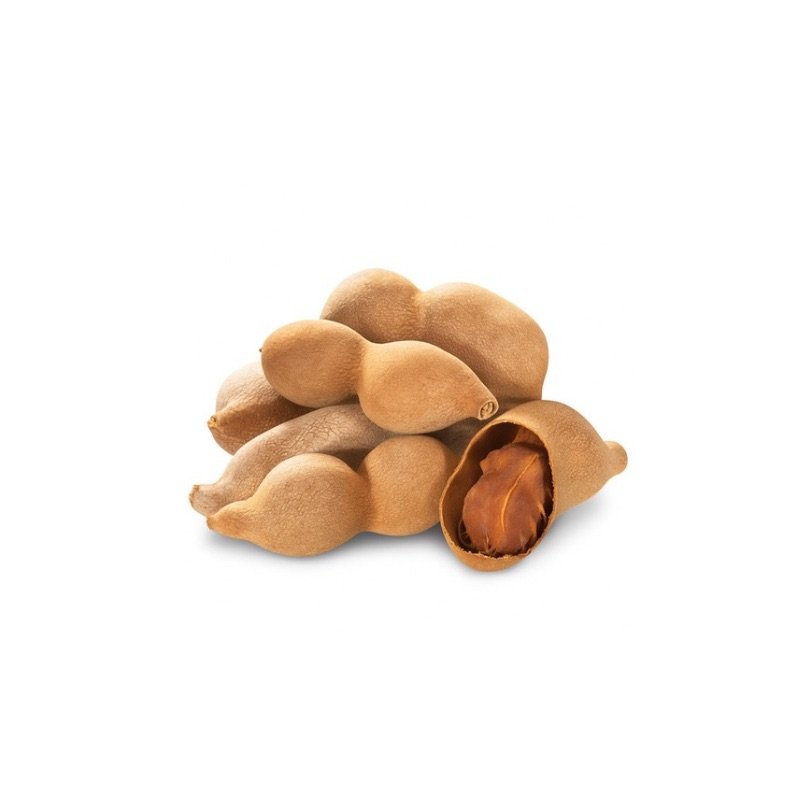
Tamarind pulp is concentrated and gets most of its calories from carbohydrates. Its sweet-tart flavor shines even in small amounts. Mix it into a drink, and the calories per glass will depend on how much pulp you use.
Chontaduro (peach palm fruit)
About 212 calories per 100 g of cooked fruit
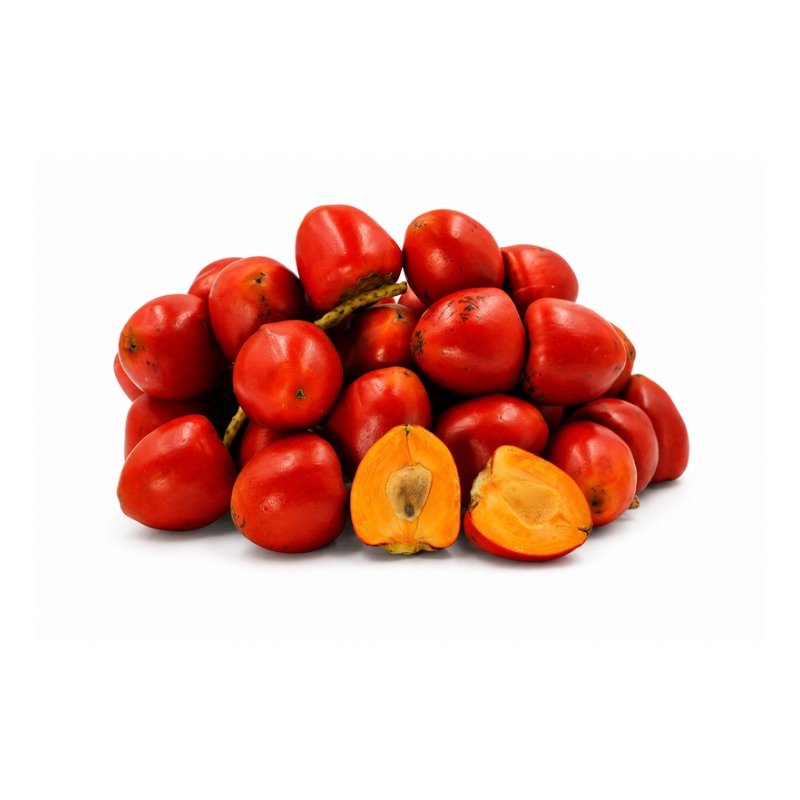
Cooked chontaduro, or peach palm fruit, brings together carbohydrates, fiber, and some fat. It’s more filling than many juicy fruits and works well with a meal or as a snack. Calories vary considerably by variety.
Durian
About 147 calories per 100 g of flesh
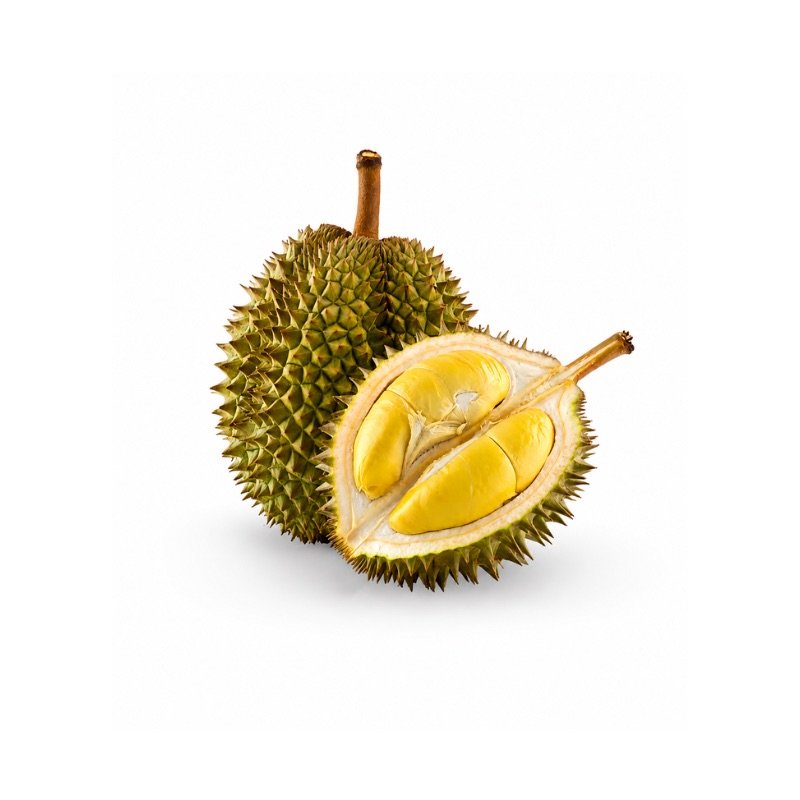
Durian’s creamy flesh provides carbohydrates along with some fat, giving it more calories than many water-rich fruits. Its bold flavor makes a small serving plenty for many people.
Borojó
About 130 calories per 100 g of fresh pulp
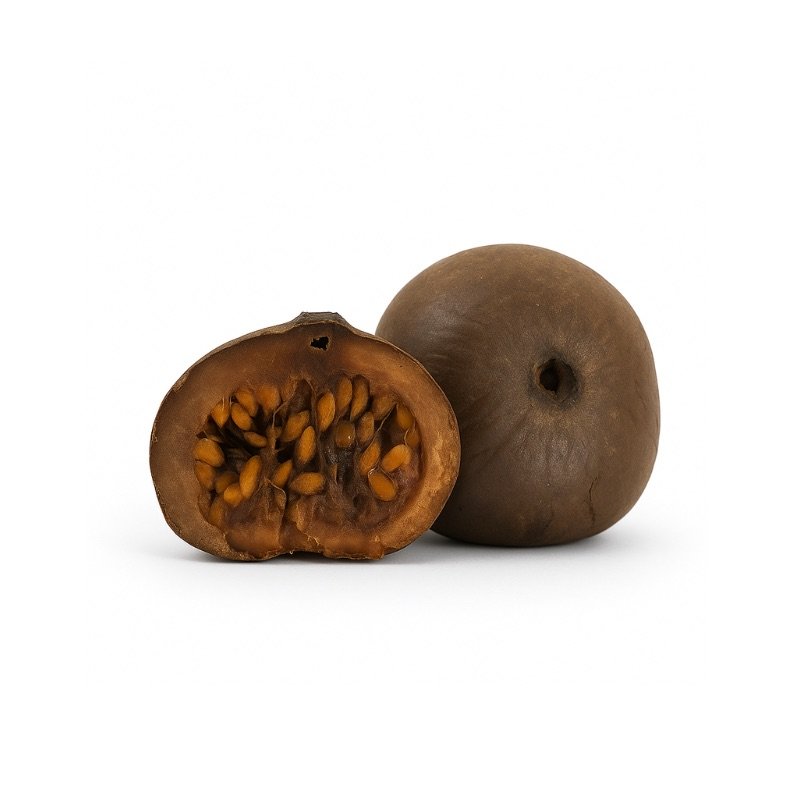
Borojó has thick pulp that’s often blended into smoothies. Adding sugar, honey, or milk changes the drink’s total calories, so the number shown here applies to the fruit pulp alone.
Mamey sapote
About 124 calories per 100 g of flesh
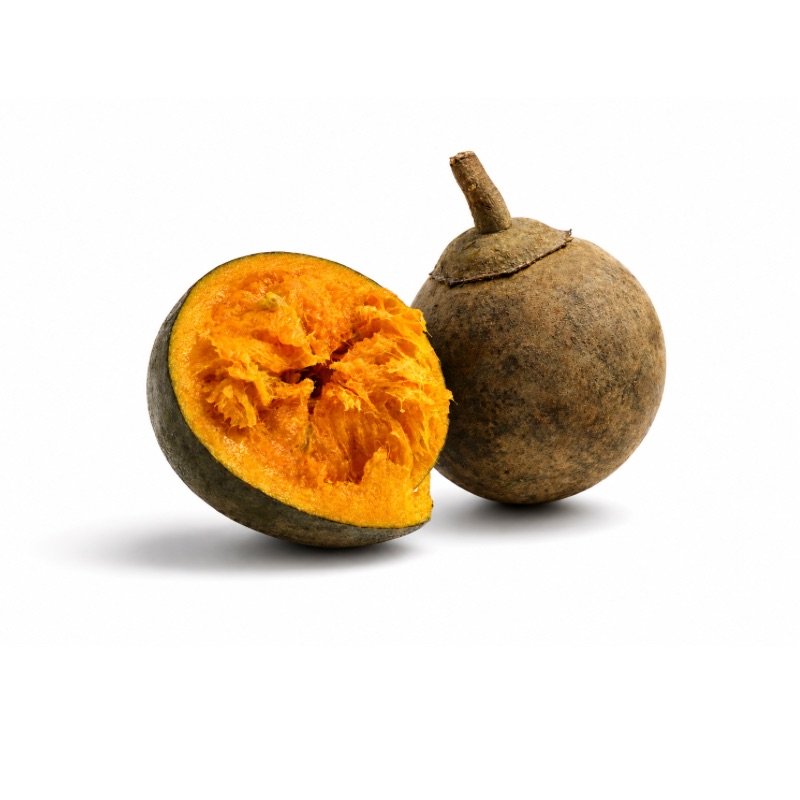
Sweet and creamy, mamey sapote gets most of its calories from carbohydrates. Enjoy it on its own or with plain yogurt—no blender or added sugar needed.
Banana
About 89 calories per 100 g of fresh banana
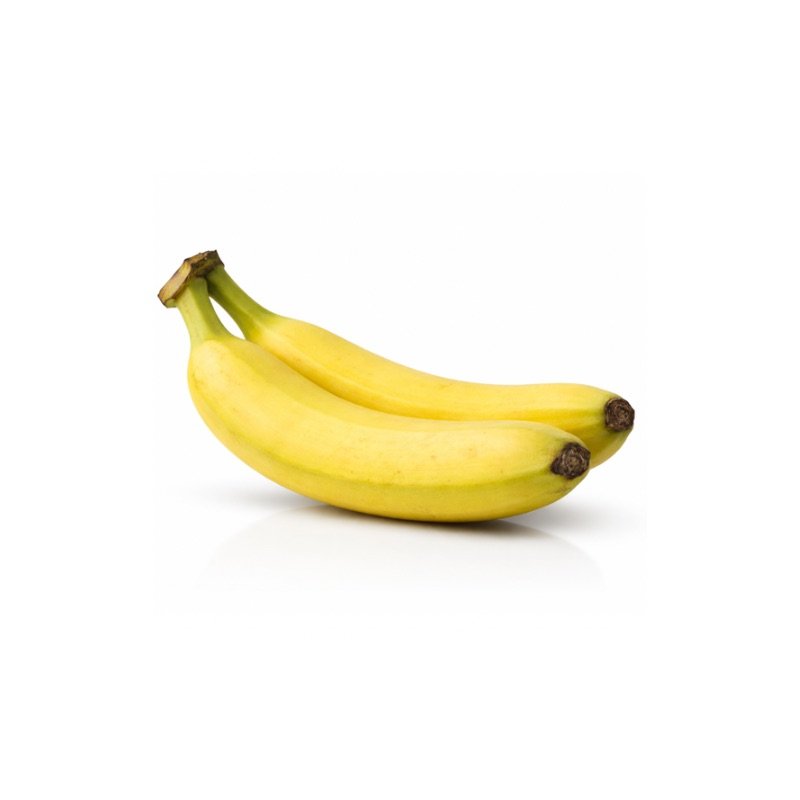
Bananas provide carbohydrates and make an easy snack before or after a workout. They’re portable, ready to eat, and just as good sliced over yogurt or oatmeal.
Mamoncillo (Spanish lime)
About 58–73 calories per 100 g of edible pulp
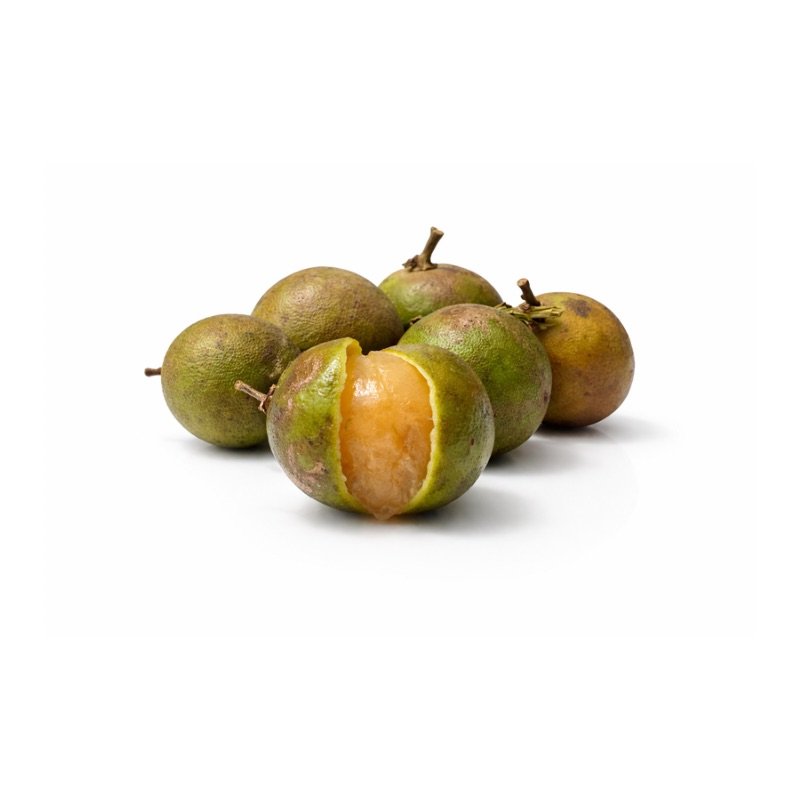
Also called Spanish lime or guinep, mamoncillo has sweet pulp wrapped around a large seed. Each fruit has only a little edible flesh, making it a fun, light snack when you want something different.
Values are approximate and based on 100 g of the edible portion. Variety, ripeness, and preparation can change the numbers and the order of fruits with similar values. Coconut refers to mature coconut meat; chontaduro is measured cooked. The banana figure is for a fresh banana, rather than a cooking plantain.