
8 Tropical Fruits for Digestive Health: Fiber, Flavor, and Everyday Ideas
Looking for tropical fruits that fit into a gut-friendly diet? From papaya and sweet granadilla to guava and avocado, each of these eight fruits brings something different to the table. Explore their fiber, texture, and simple ways to enjoy them, without expecting a single fruit to fix a digestive problem.
Tamarind
Tangy pulp with dietary fiber
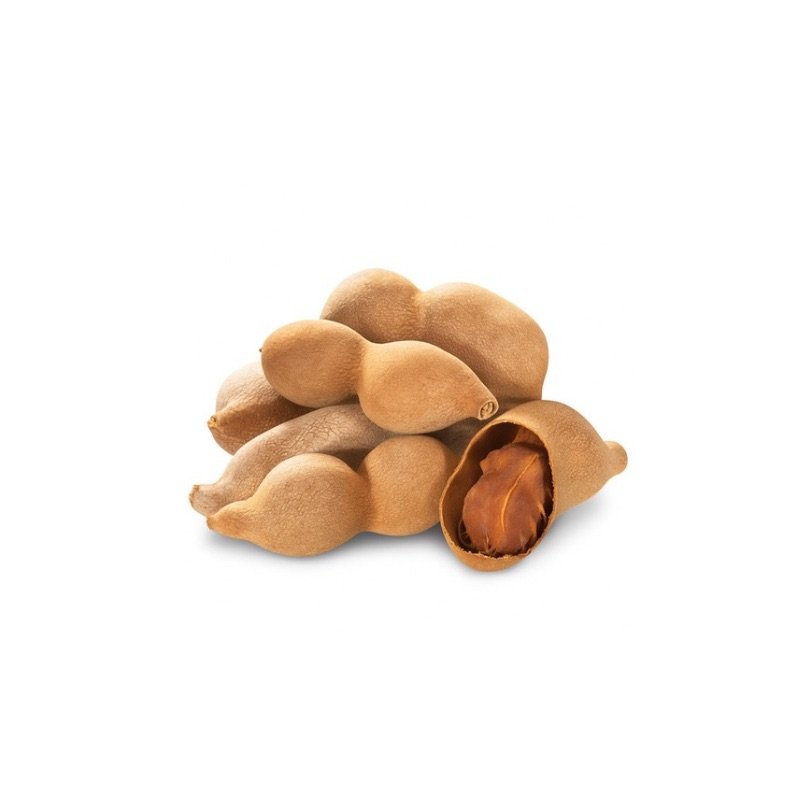
Tamarind packs a sweet-tart punch and contributes some dietary fiber. Its pulp adds depth to sauces and drinks. If you strain it into a beverage, you leave some fiber behind; added sugar changes what is in your glass, too.
Papaya
A soft tropical fruit with water and fiber
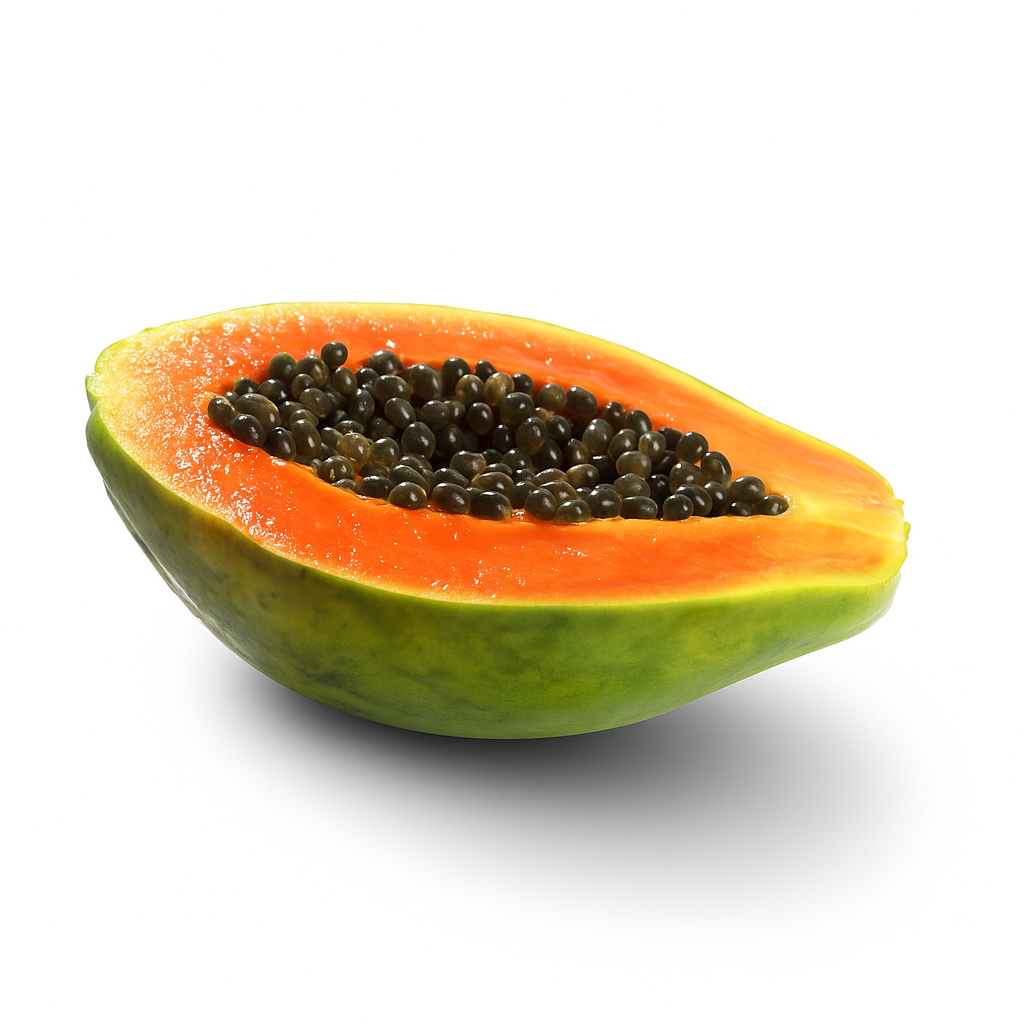
Ripe papaya is juicy, soft, and easy to add to breakfast. Eat it on its own or with plain yogurt for a little fiber and variety. Papain gets a lot of attention, but eating papaya is no guarantee that digestive discomfort will go away.
Guama (Ice Cream Bean)
Sweet pulp and a new way to enjoy fruit
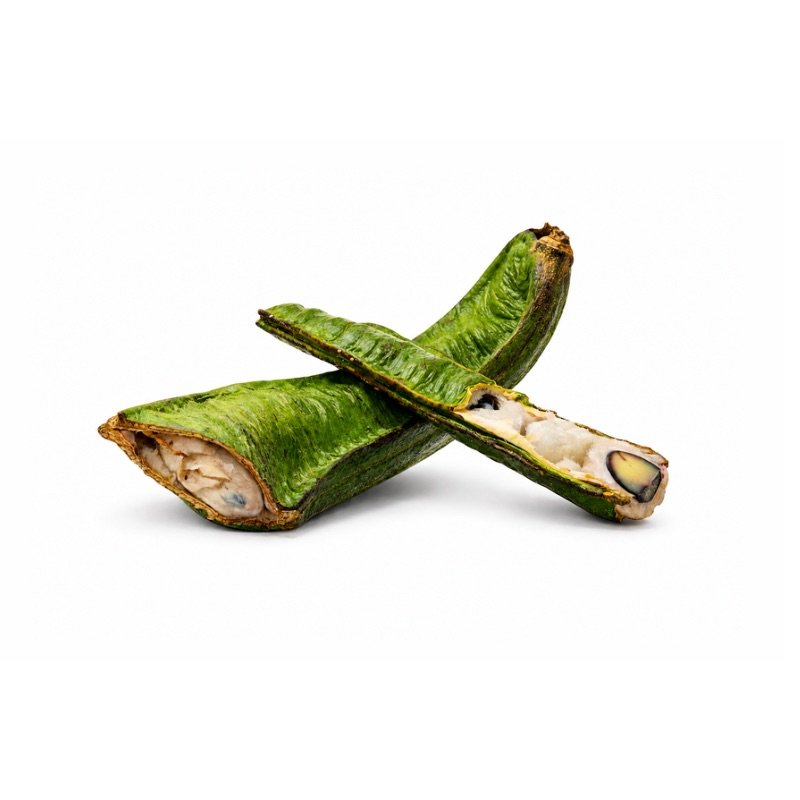
Also called ice cream bean, guama grows in a long pod. The sweet white pulp around the seeds is the part usually eaten fresh. It provides some fiber and offers a fun change of pace when you want to eat more fruit.
Sweet Granadilla
Edible seeds that add texture and fiber
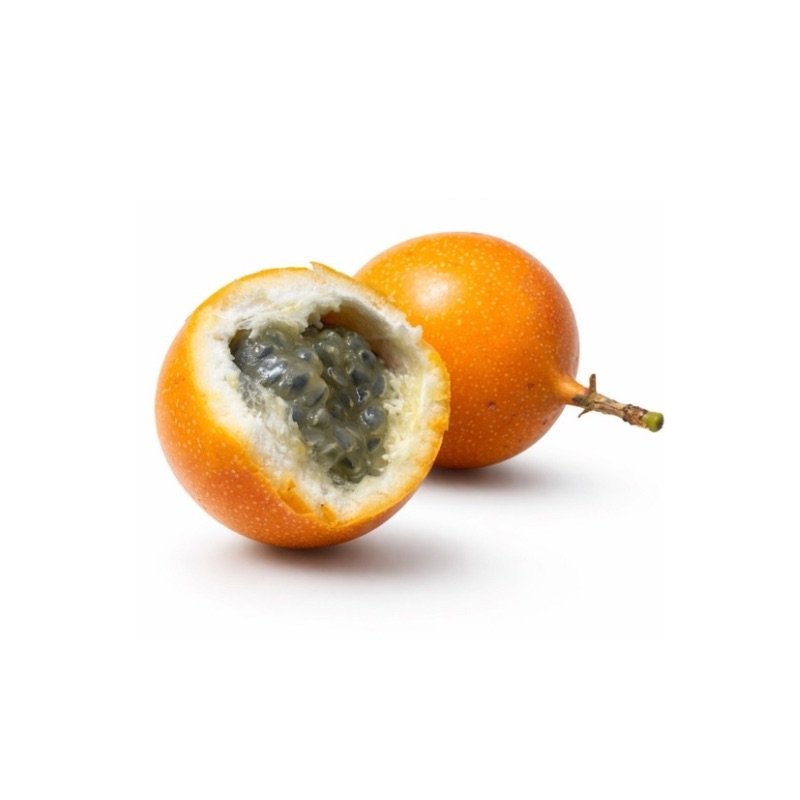
Crack open a sweet granadilla and scoop out the juicy pulp and edible seeds. Eating the seeds lets you enjoy their crunch and fiber. Strain them out for juice, and you miss that part of the fruit.
Soursop (Guanábana)
Creamy tropical pulp with water and fiber
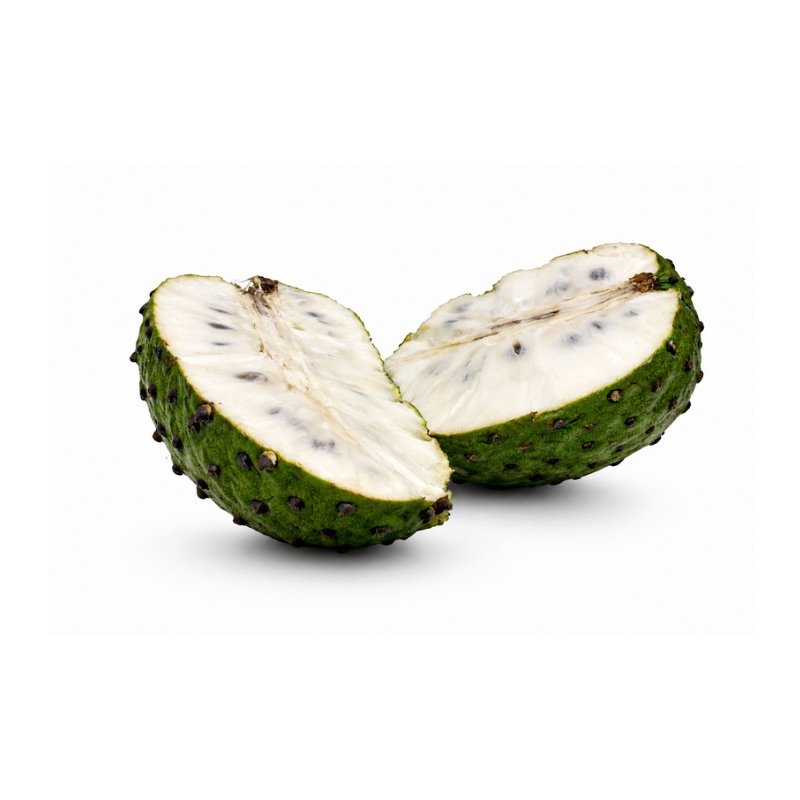
Soursop has fragrant, creamy pulp that provides water and some fiber. Enjoy the pulp fresh or blend it without straining to keep more of that fiber. Remove the skin and seeds before eating it.
Avocado
A satisfying source of dietary fiber
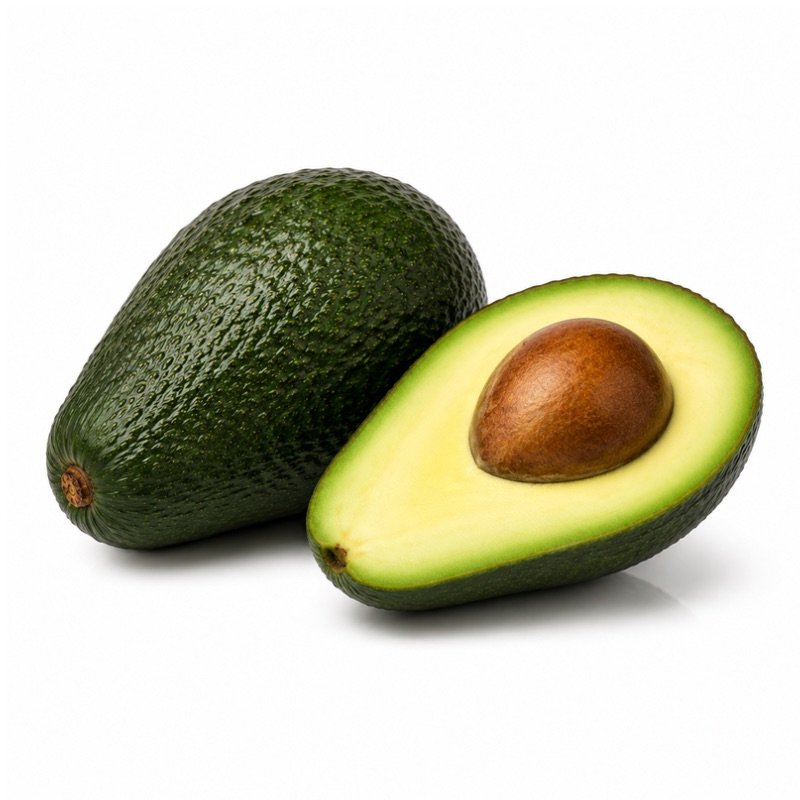
Avocado brings dietary fiber and unsaturated fat to the table. Try it on toast, in a salad, or alongside beans. Its fiber makes it an easy addition to a varied diet focused on gut health.
Guava
Fiber and vitamin C in a fragrant fruit
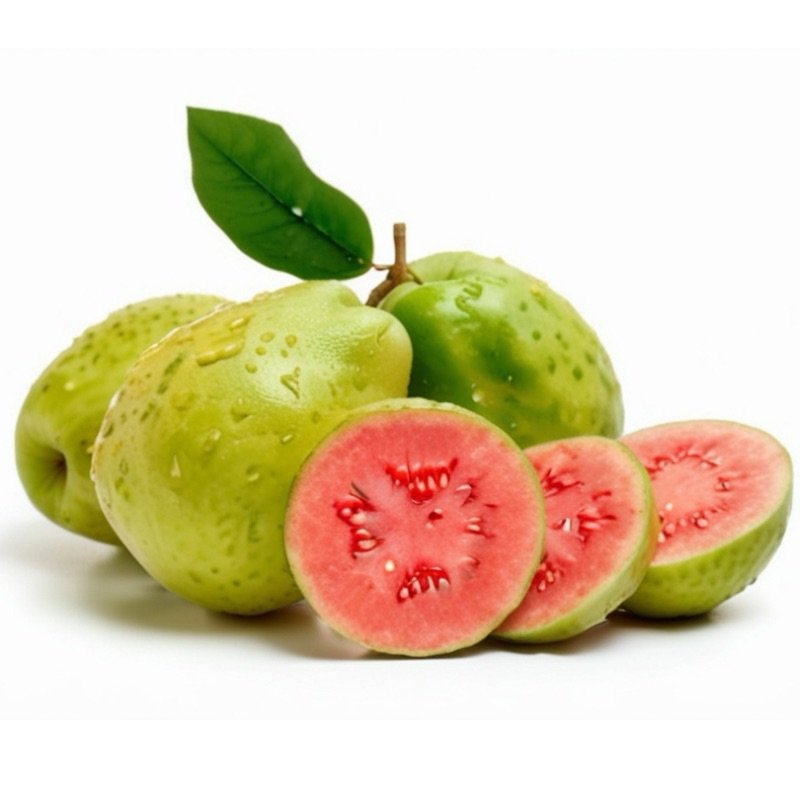
Guava brings dietary fiber and vitamin C to your fruit bowl. Enjoy it fresh, and chew the small edible seeds if you like them and tolerate them well. As with other fiber-rich fruits, start with a portion that feels comfortable.
Banana
Fiber and resistant starch as ripeness changes
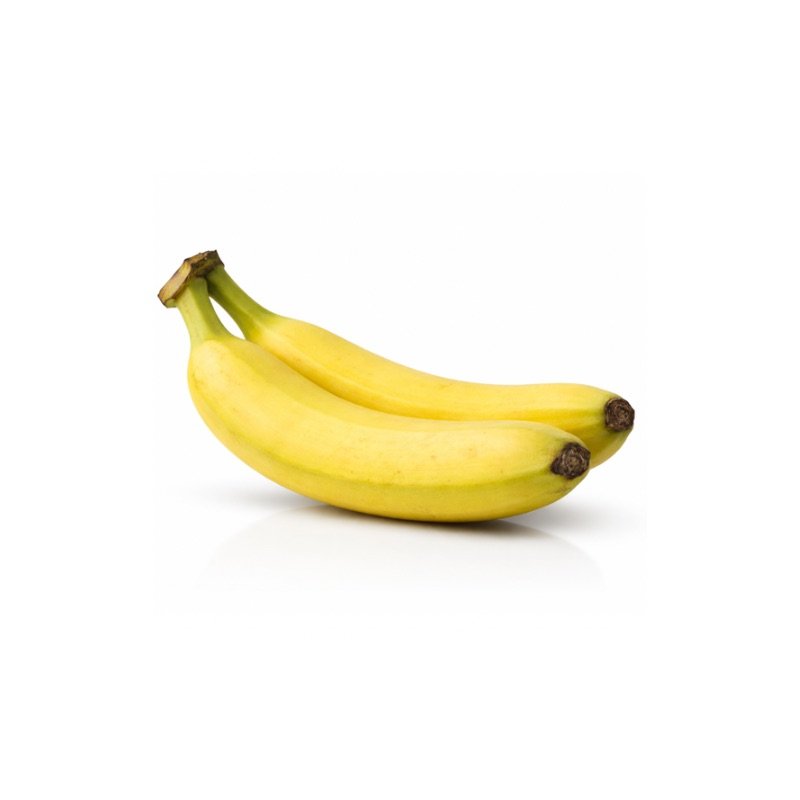
Bananas are easy to take anywhere. Greener bananas contain more resistant starch; as they ripen, some of that starch turns into sugar. A green banana and a very ripe one may not feel the same to everyone.
Fruit can help you add fiber to your diet, especially when you eat it along with enough fluids. Increase fiber gradually and pay attention to how your body responds. No fruit on this list treats constipation or another digestive condition on its own. Remove soursop seeds before eating; sweet granadilla seeds are edible.