
What Are the Best Tropical Fruits for Healthy, Glowing Skin?
Healthy, glowing skin isn’t only about serums and moisturizers. What you eat matters too. Adding tropical fruits for healthy skin is a simple way to bring more vitamin C, antioxidants, water, healthy fats, and colorful plant compounds into your day. Think of them as part of a balanced eating pattern that supports your skin from the inside out.
Camu camu, guava, papaya, pomegranate, avocado, açaí, coconut, and oranges all bring something different to the table. Some are especially useful as vitamin C-rich foods for skin and normal collagen production; others add polyphenols, carotenoids, unsaturated fats, or hydration. There is no single miracle fruit for glowing skin—the better approach is variety, color, and whole foods you actually enjoy eating.
Healthy-looking skin comes from everyday habits, not one superfood. A balanced diet, enough fluids, quality sleep, and daily sun protection matter far more than any quick fix. Tropical fruit simply makes that routine more colorful, refreshing, and enjoyable.
Camu Camu
Vitamin C to support skin from within
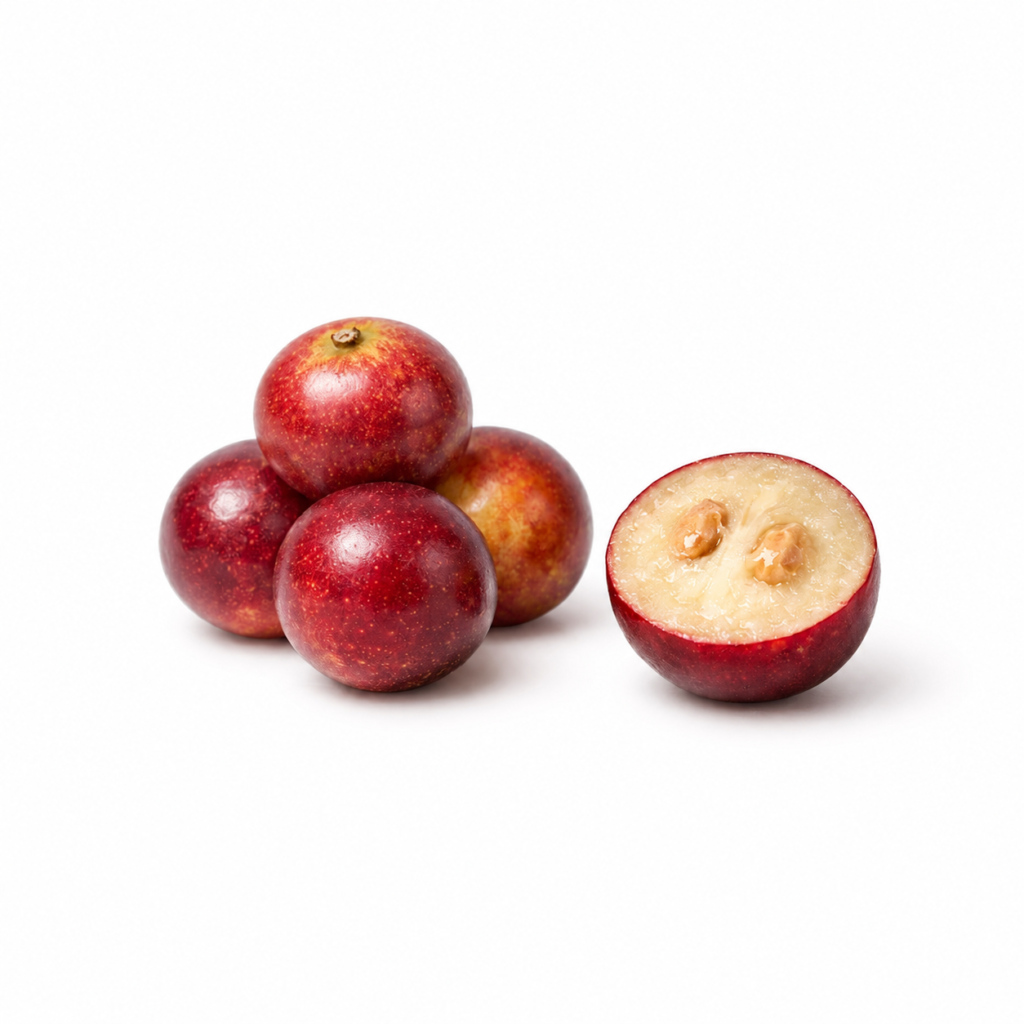
Camu camu is famous for its naturally high vitamin C content. That matters for skin health because vitamin C supports normal collagen production and helps protect cells from oxidative stress. Its flavor is intensely tart, so you only need a little. Blend it into yogurt or a smoothie with sweeter fruit for an easy, refreshing combination.
Guava
Vitamin C and plant antioxidants for your skin
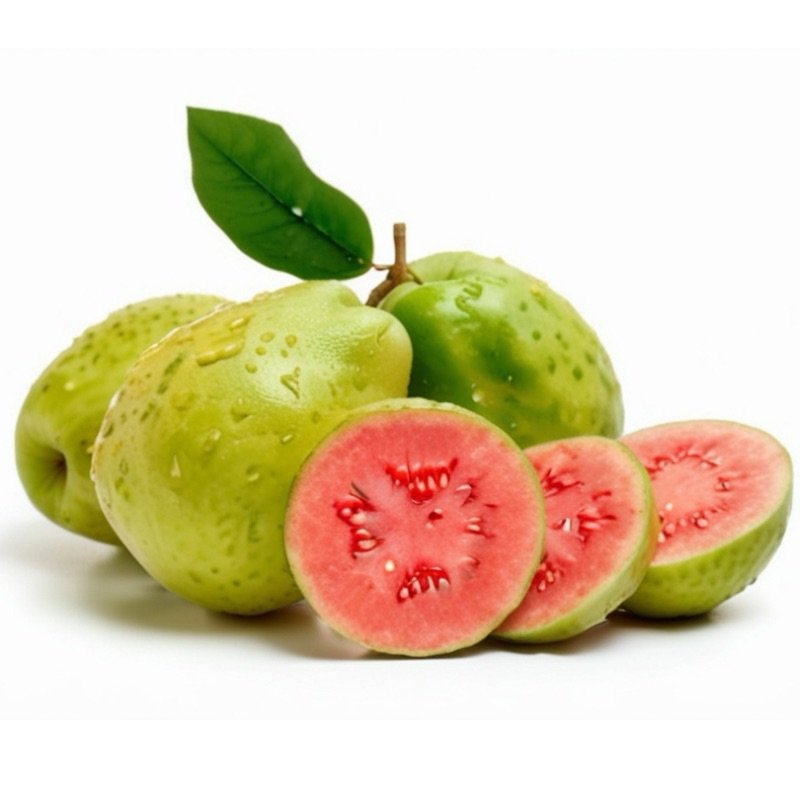
Guava is one of those tropical fruits that delivers a lot without trying too hard: vitamin C, fiber, and a mix of colorful plant compounds. Eating it whole gives you both flavor and texture, plus the fruit’s natural fiber. Slice it into plain Greek yogurt, add it to a fruit bowl, or simply enjoy it fresh.
Papaya
Vitamin C, carotenoids, and plenty of color
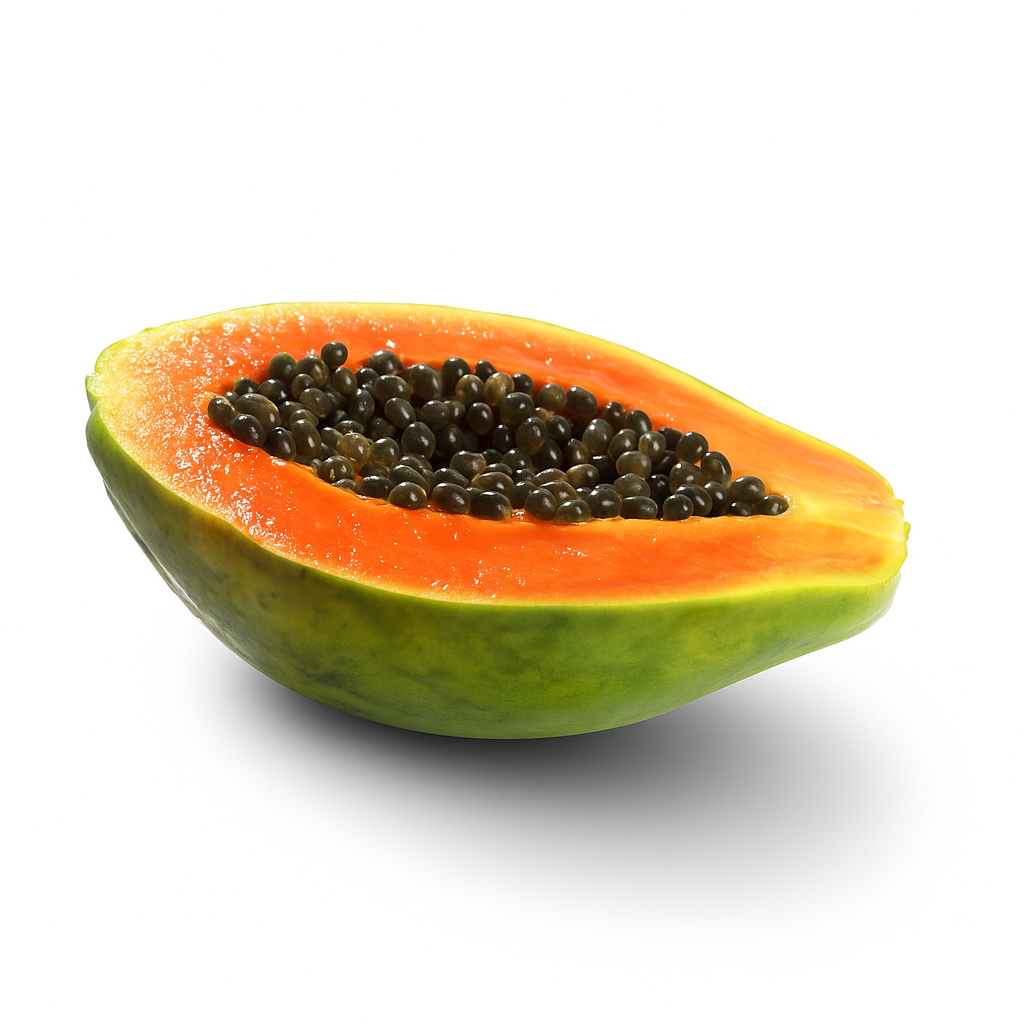
Papaya’s bright orange color comes partly from carotenoids, and the fruit also provides vitamin C and plenty of water. Its soft texture and naturally sweet flavor make it easy to eat more colorful produce without overthinking it. Try chilled papaya at breakfast, in a smoothie, or with plain yogurt.
Pomegranate
Antioxidant-rich fruit for a colorful diet
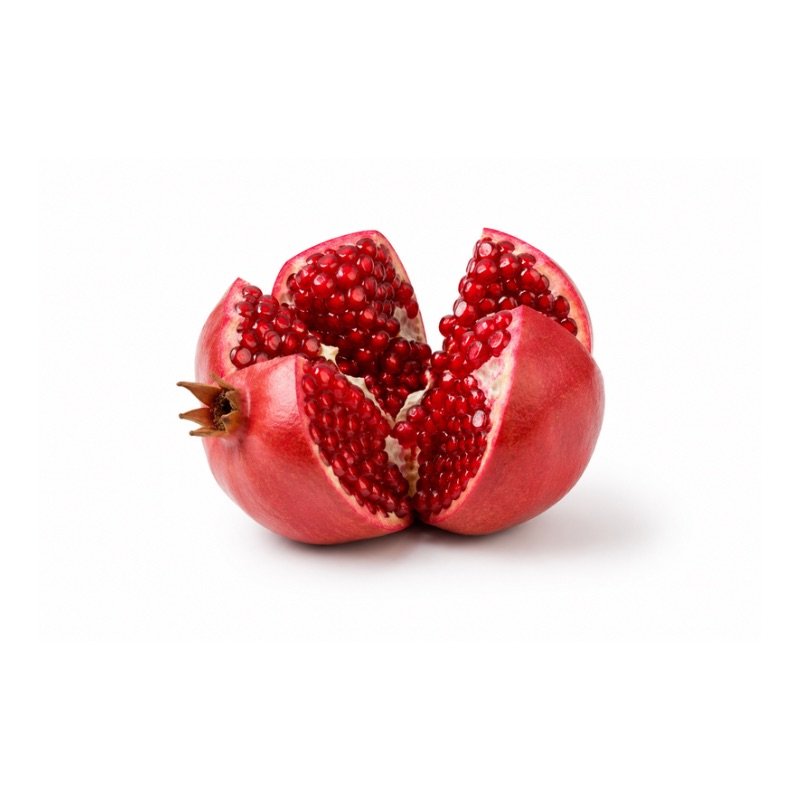
Pomegranate seeds add crunch, color, and polyphenol-rich plant compounds to your plate. They are not a shortcut to perfect skin, but they fit beautifully into a varied, antioxidant-rich diet. Sprinkle them over Greek yogurt, oatmeal, salads, or smoothie bowls when you want extra freshness and texture.
Avocado
Healthy fats for a more nourishing diet
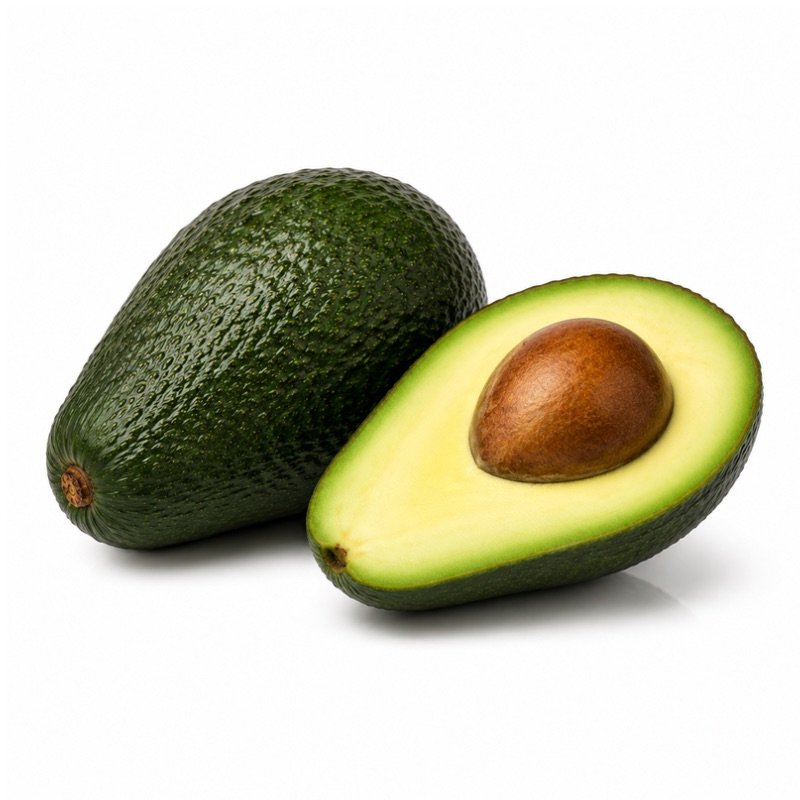
Avocado brings something different to the list: creamy texture, unsaturated fats, vitamin E, and plenty of staying power. Healthy fats can make meals more satisfying and help round out a colorful skin-friendly diet. Add avocado to whole-grain toast, salads, grain bowls, or eggs for a simple, nutrient-dense meal.
Açaí
Anthocyanins and antioxidant-rich color
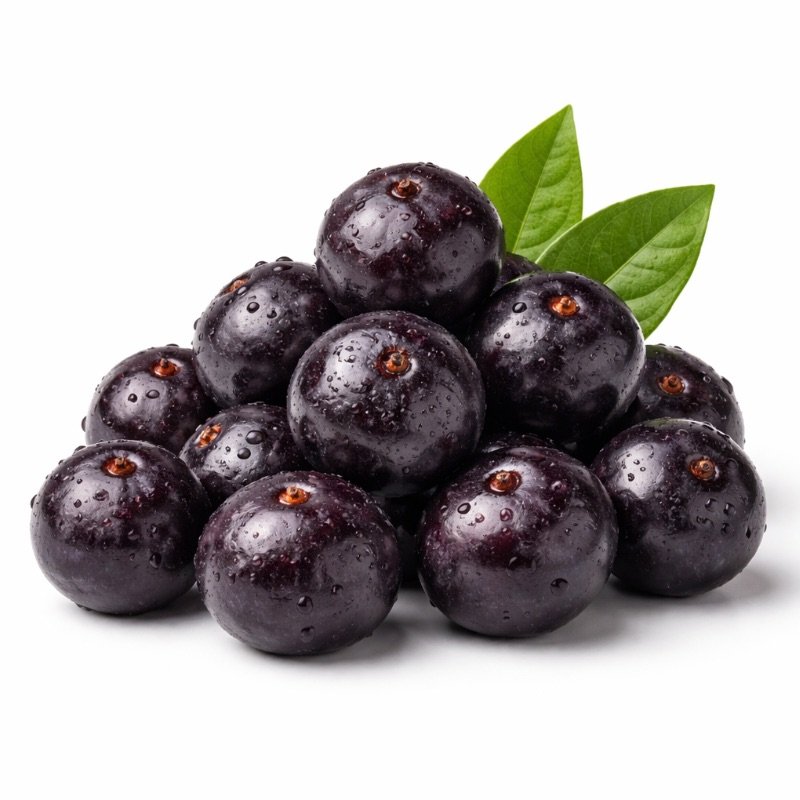
Açaí gets its deep purple color from anthocyanins, plant pigments that make dark-colored fruits interesting in an antioxidant-rich diet. The easiest way to keep an açaí bowl balanced is to start with unsweetened or lightly sweetened pulp, then add berries, plain Greek yogurt, oats, or seeds instead of piling on extra sugar.
Coconut
Hydration and tropical flavor in different forms
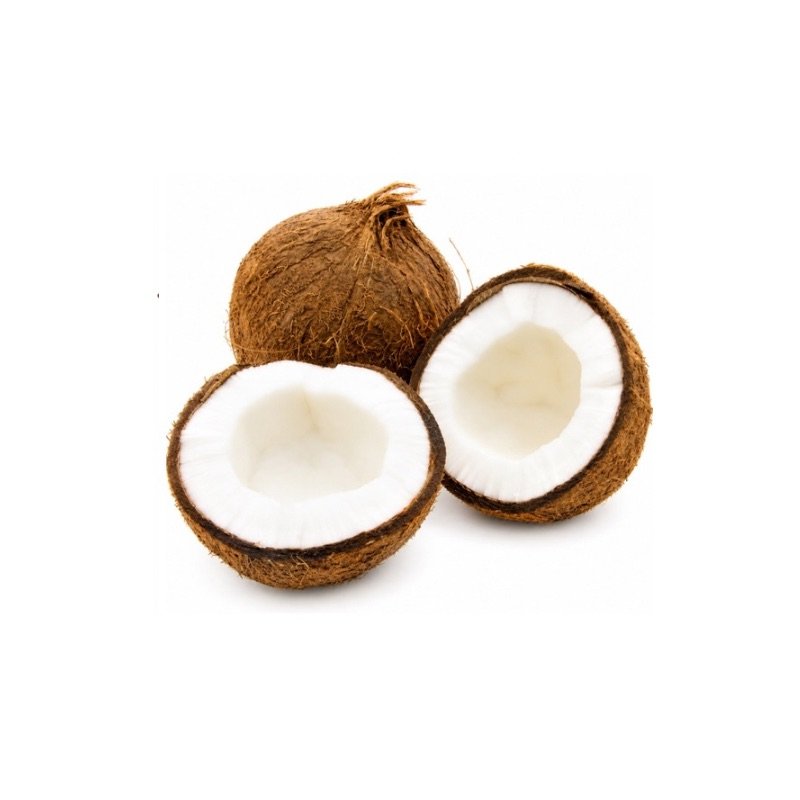
Coconut gives you two very different options. Coconut water is mostly about fluid and minerals, while the flesh is richer in fat and energy. Both can fit into a balanced diet when portions make sense. Choose unsweetened coconut products when you can, and enjoy chilled coconut water as a refreshing alternative to heavily sweetened drinks.
Orange
Vitamin C and hydration in an everyday fruit
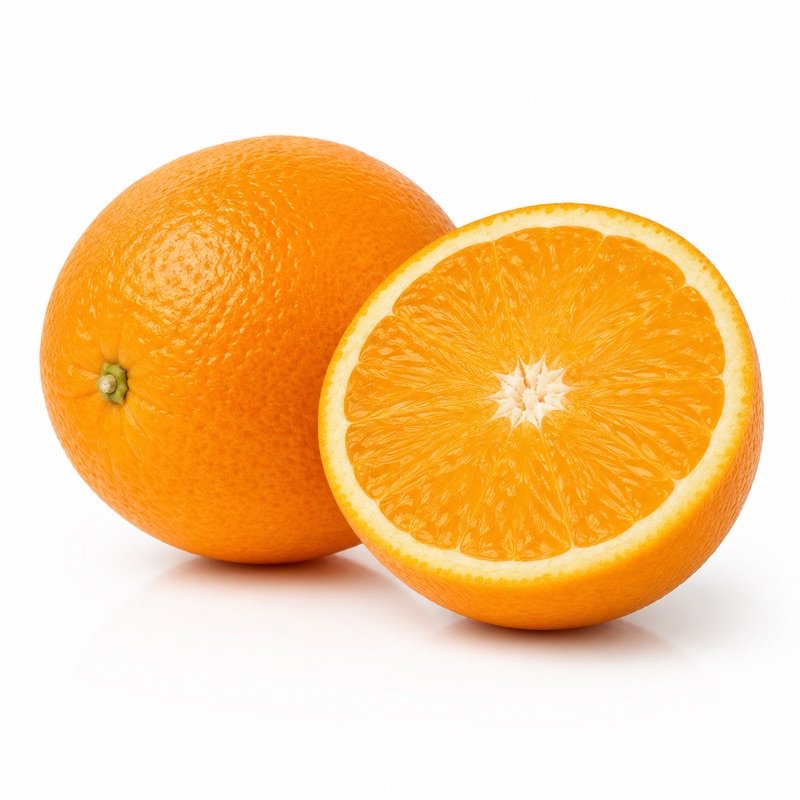
Oranges are an easy everyday way to add vitamin C, water, and plant compounds to your diet. Vitamin C supports normal collagen production, which is why oranges fit so naturally into a skin-friendly eating pattern. When possible, eat the whole fruit instead of drinking only the juice so you keep its natural fiber too.