
10 Tropical Fruits That Can Support Natural Testosterone Production
Tropical Fruits, Nutrition, and Natural Testosterone Support
Healthy testosterone levels are not built around one miracle food. Strength training, quality sleep, maintaining a healthy body weight, managing stress, and eating a balanced diet matter much more. Still, certain tropical fruits provide healthy fats, vitamin B6, magnesium, antioxidants, carbohydrates, and other nutrients that fit naturally into a diet focused on men’s hormonal health, energy, workout performance, and recovery.
Important: these fruits do not automatically boost testosterone. Their value comes from the nutrients and plant compounds they add to an overall healthy diet, especially when combined with regular exercise, enough sleep, adequate calories, and other healthy lifestyle habits.
Avocado
Healthy fats for balanced hormone-friendly nutrition
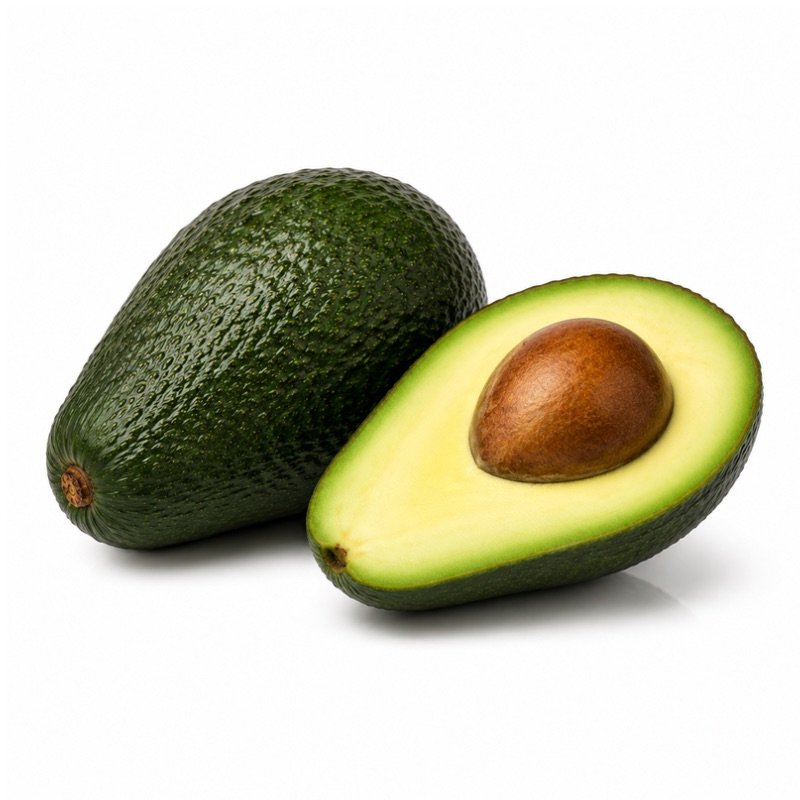
Avocado stands out because it brings monounsaturated fats, vitamin E, folate, and vitamin B6 to the table. Dietary fat is an important part of a balanced eating pattern and supports many normal processes in the body. That makes avocado a natural fit for a diet focused on men’s hormonal health. Pair it with eggs, lean protein, vegetables, or whole grains for a satisfying meal.
Cacao
Magnesium and flavanols for energy and healthy circulation
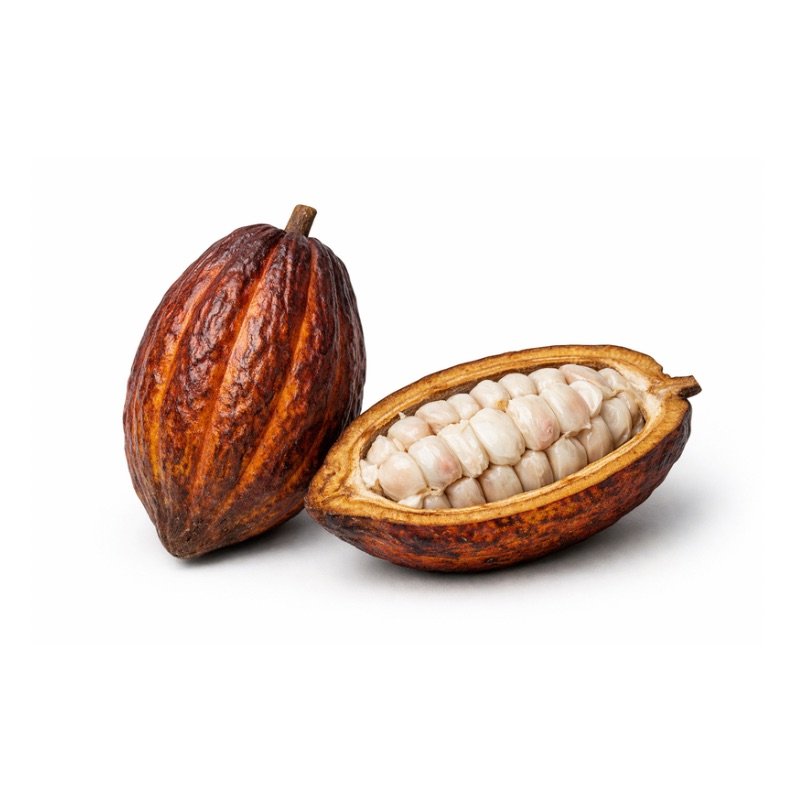
Pure cacao is especially interesting because it provides magnesium and naturally occurring flavanols. Magnesium supports normal energy metabolism and muscle function, while cocoa flavanols are best known for their connection with healthy blood flow. If you want cacao to fit into a testosterone-friendly diet, choose minimally processed cacao and keep added sugar low.
Pomegranate
Polyphenols for circulation and antioxidant protection
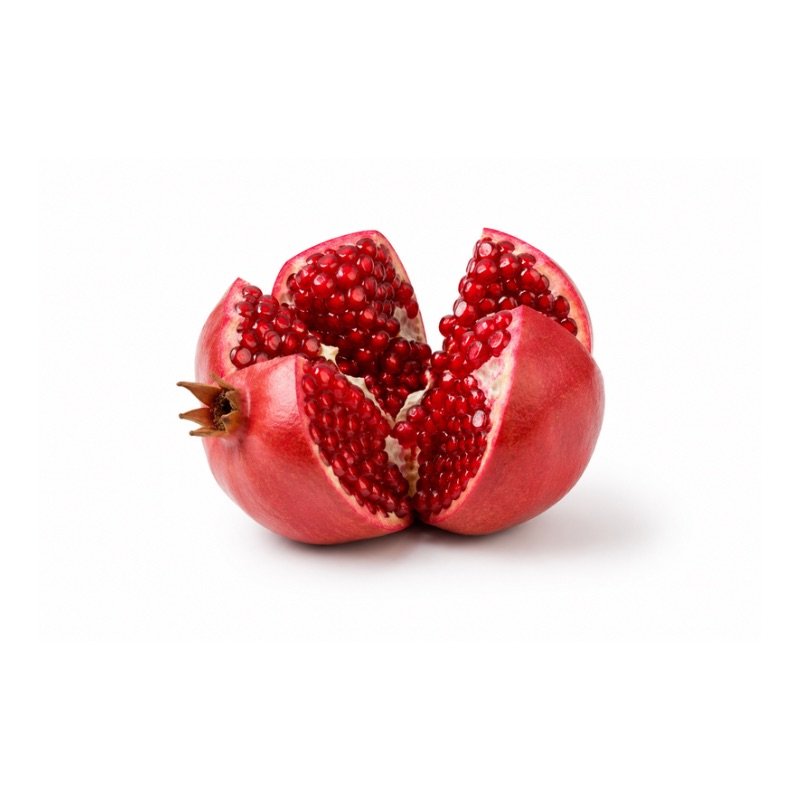
Pomegranate packs a wide variety of polyphenols and antioxidant plant compounds into those bright red arils. Its strongest role in a men’s health diet is tied more to circulation and oxidative-stress protection than to directly raising testosterone. Sprinkle the seeds over Greek yogurt, oatmeal, or salads for an easy way to add color, texture, and plant diversity.
Chontaduro (Peach Palm Fruit)
Energy, carotenoids, and fats for an active lifestyle
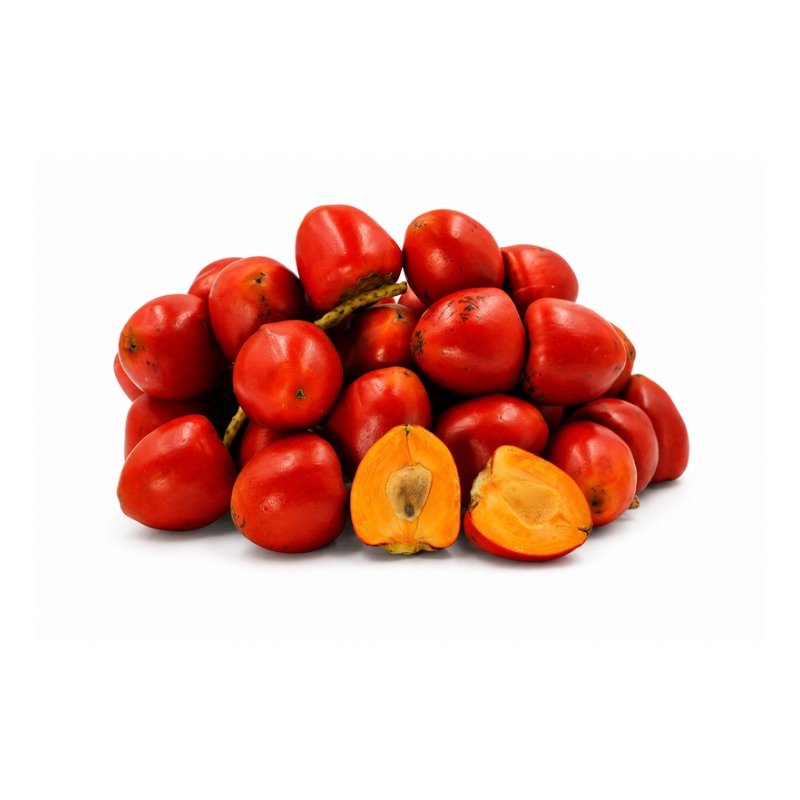
Chontaduro, also known as peach palm fruit, is very different from lighter, water-rich tropical fruits. It is more energy-dense and provides carbohydrates, fats, and carotenoids, which makes it interesting for active people who need enough fuel. It is not a direct testosterone booster, but it can help build a nutrient-rich diet that supports training, recovery, and overall male wellness.
Coconut
Energy and dietary fat for a balanced performance diet
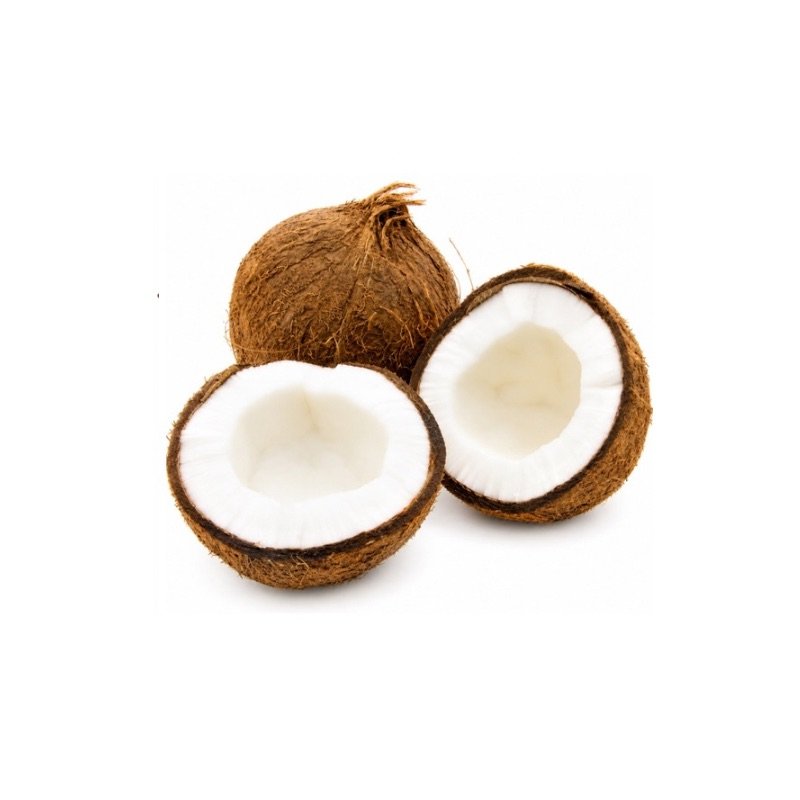
Coconut gives you two very different nutritional options. The meat is energy-dense and contains fat, while coconut water is mostly about fluids and minerals. Both can fit into an active lifestyle when portions make sense. Coconut itself has not been shown to raise testosterone, but it can contribute energy and variety to an overall diet designed around performance and healthy hormone function.
Banana
Vitamin B6 and carbs for workouts and everyday energy
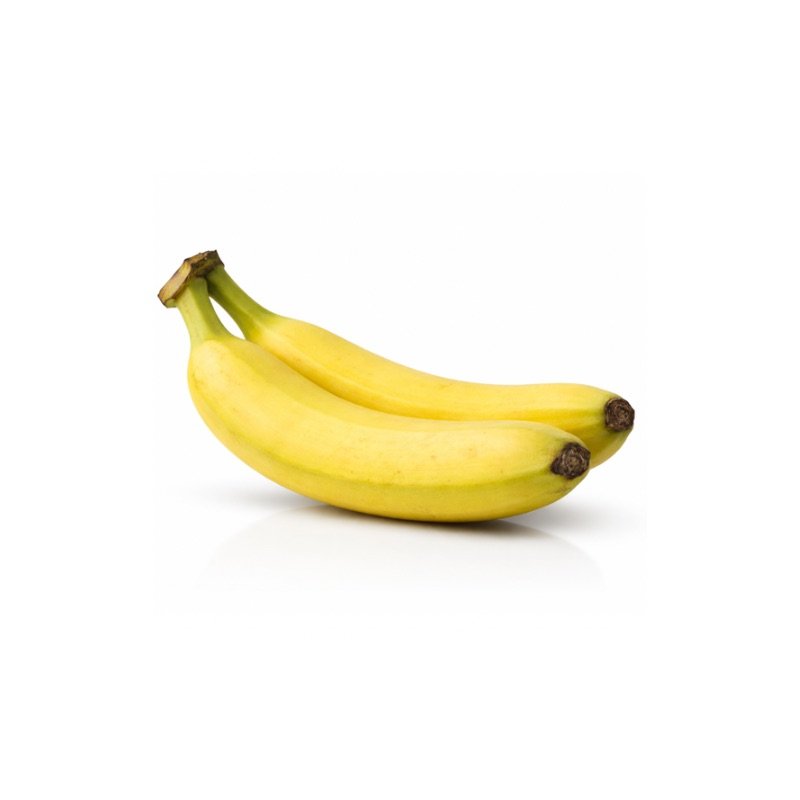
Bananas are one of the easiest fruits to use around a workout because they provide carbohydrates, potassium, and vitamin B6. Vitamin B6 supports normal energy metabolism and nervous-system function. A banana is not a testosterone booster, but having enough fuel to train hard and recover well is much more relevant to long-term performance and men’s hormonal health than chasing one “magic” food.
Guava
Vitamin C and antioxidants for oxidative-stress protection
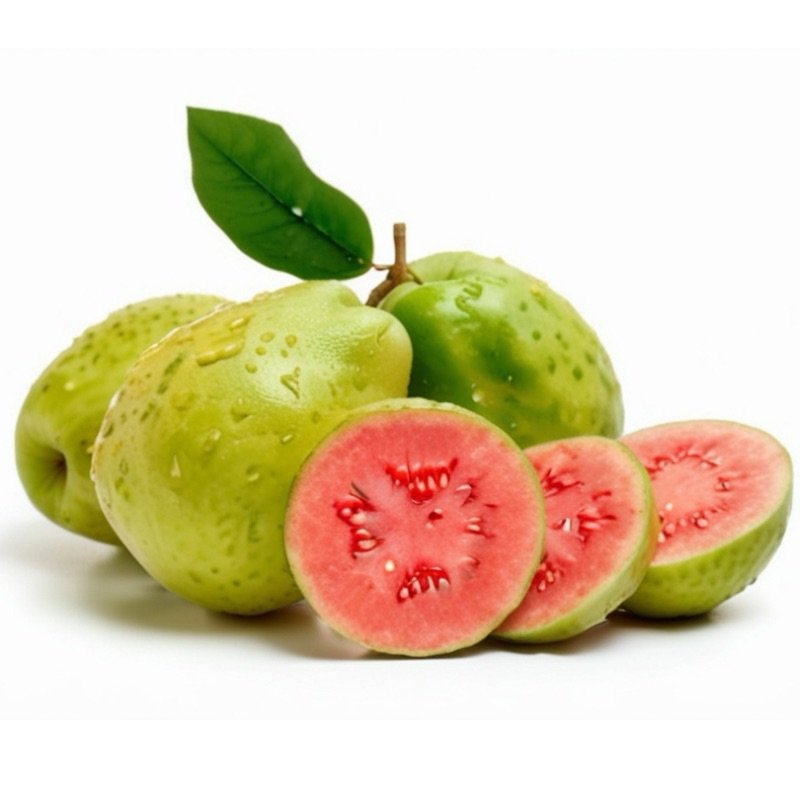
Guava is an easy way to add a serious dose of vitamin C along with fiber and colorful plant compounds. Vitamin C helps protect cells from oxidative stress, which makes guava a useful addition to an antioxidant-rich diet. Its role in testosterone support is indirect, but it fits nicely into an eating pattern designed around recovery, healthy aging, and overall men’s wellness.
Papaya
Vitamin C and carotenoids for recovery and everyday health
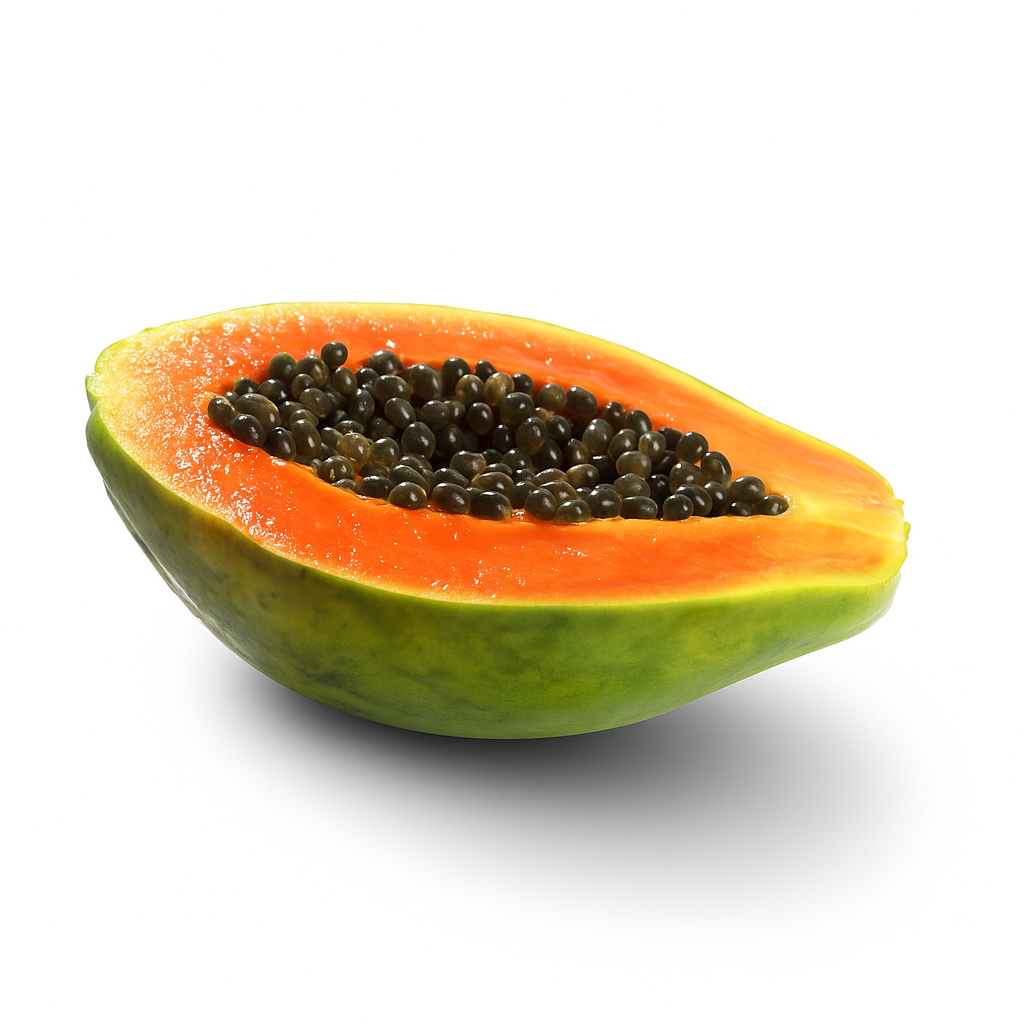
Papaya brings vitamin C, folate, carotenoids, and plenty of water to your diet. It is not known for a direct hormonal effect, but it works very well in a nutrition plan centered on recovery, plant variety, and overall health. Its soft texture also makes it easy to combine with Greek yogurt, oats, seeds, or a protein source after a workout.
Mango
Vitamin B6 and natural carbs for an active lifestyle
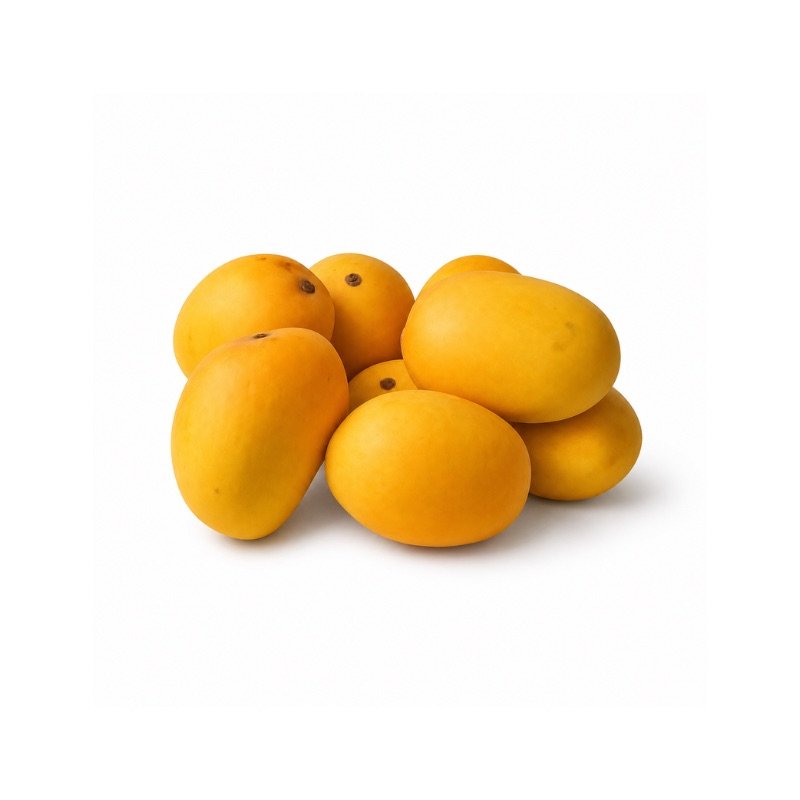
Mango provides natural carbohydrates along with vitamin C, carotenoids, and vitamin B6. That makes it an easy fruit to use before or after training when you want both energy and micronutrients. Its connection with testosterone is indirect: mango mainly helps make an active, nutrient-rich eating pattern more enjoyable and easier to stick with over time.
Açaí
Anthocyanins for recovery and antioxidant support
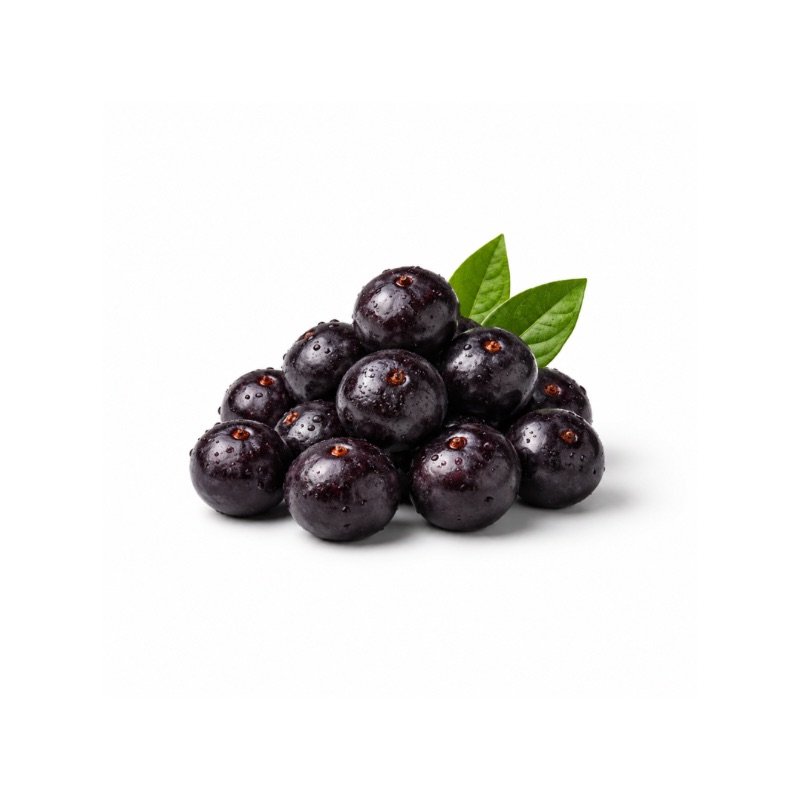
Açaí gets its deep purple color partly from anthocyanins, the same family of plant pigments found in many dark berries. For active men, its best fit is in a diet focused on recovery, cardiovascular health, and a wider variety of plant foods. There is no strong evidence that açaí directly raises testosterone, but it can be a flavorful addition to a performance-focused eating plan.