
8 Tropical Fruits with Antioxidant Compounds Worth Exploring
Looking for antioxidant-rich fruits to add to your routine? The deep purple of acai, the tartness of camu camu, and the bright seeds of a pomegranate each tell a different story. These eight tropical fruits offer a variety of vitamin C, carotenoids, and polyphenols. Here is what stands out in each one and an easy way to enjoy it.
Camu camu
Vitamin C and polyphenols
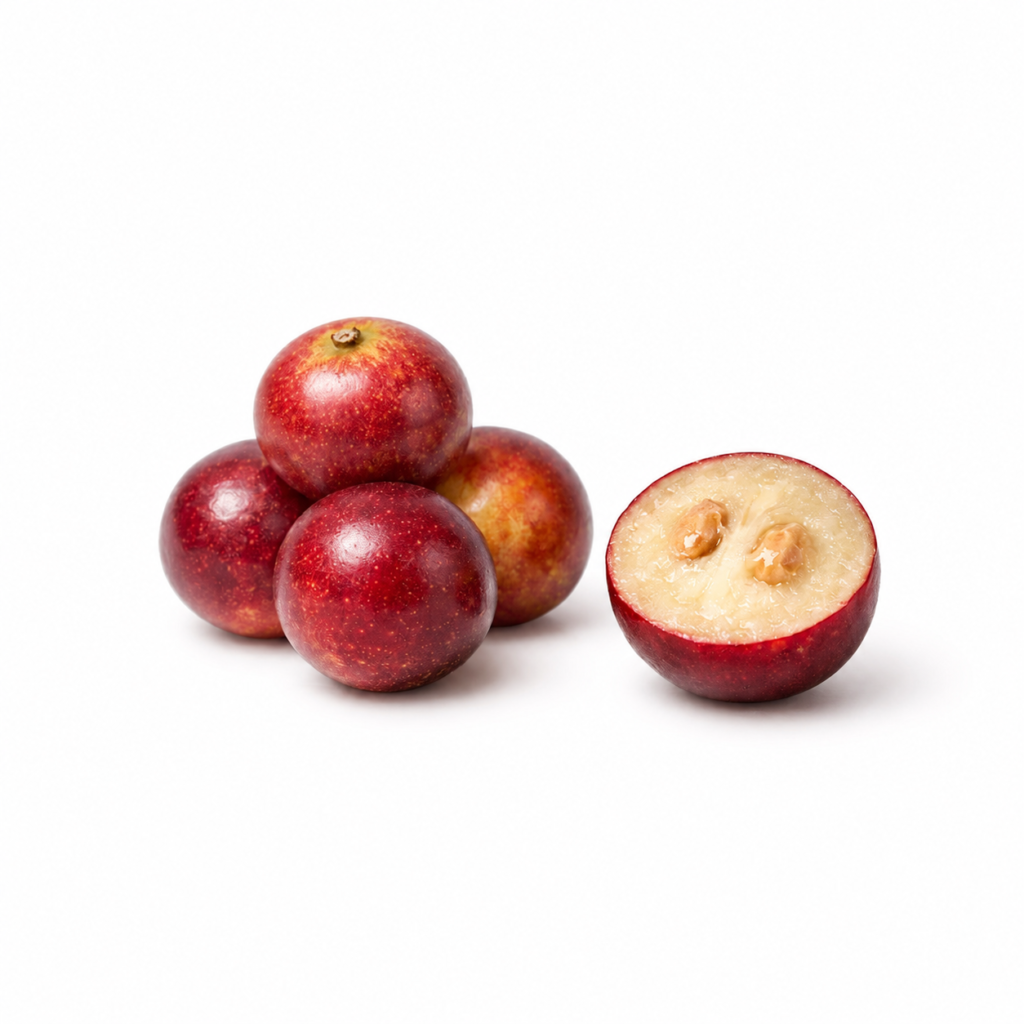
Small and intensely tart, camu camu stands out for its vitamin C and polyphenols. Vitamin C helps protect cells from oxidative stress. The amount in the fruit can vary with ripeness and processing.
Amla (Indian gooseberry)
Vitamin C and plant tannins
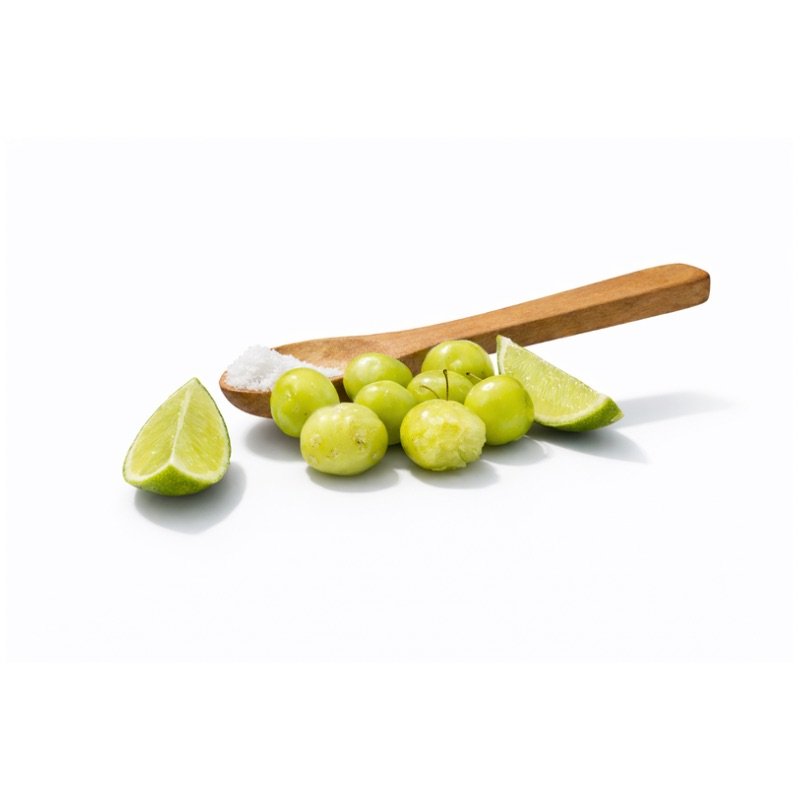
Amla, also known as Indian gooseberry, has a bold, tart flavor. It brings together vitamin C and tannins, a type of polyphenol. If you enjoy tangy fruit, it is a fresh way to add variety to your plate.
Guava
Vitamin C and lycopene in pink varieties
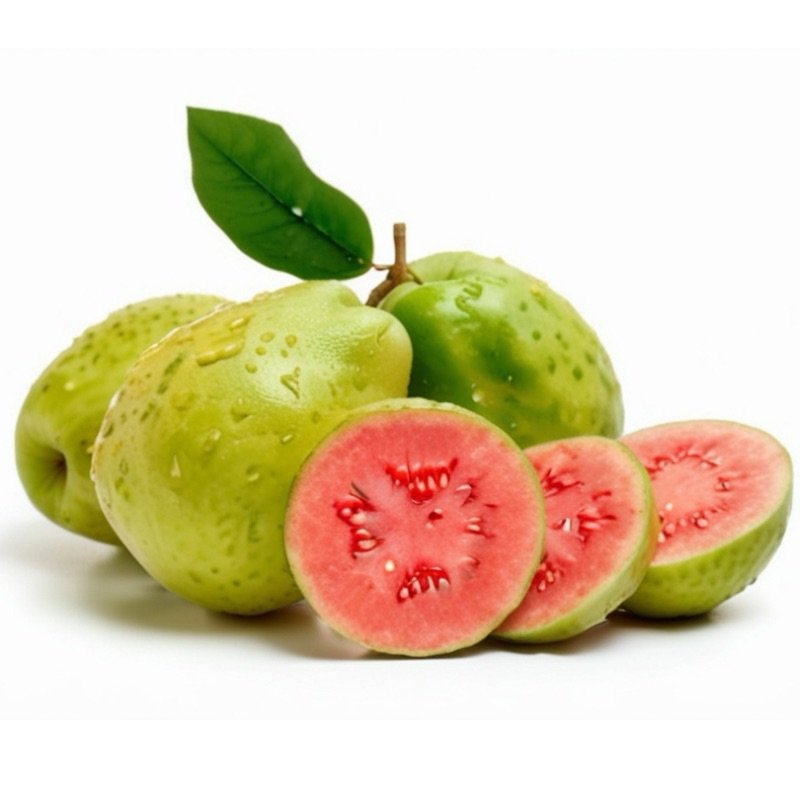
Guava is an excellent source of vitamin C. Pink- and red-fleshed varieties can also provide lycopene, a carotenoid that helps give them their color. Try guava fresh to enjoy its aroma and texture.
Acai (açaí)
Anthocyanins and polyphenols
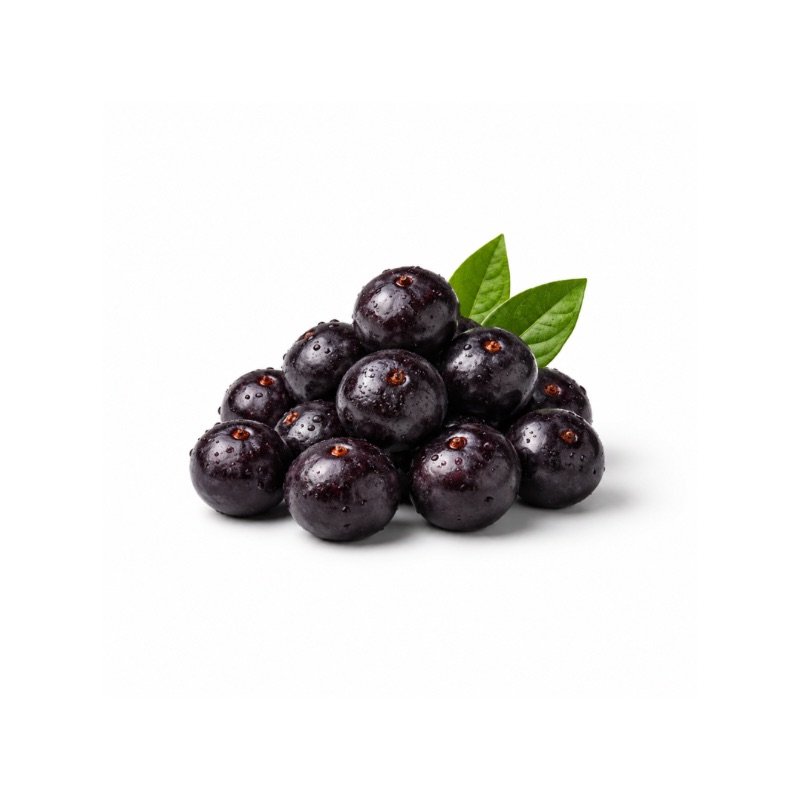
Acai gets some of its deep purple color from anthocyanins, a group of plant polyphenols. Making an acai bowl? Check the label on the puree: unsweetened acai lets the fruit’s flavor come through.
Pomegranate
Polyphenols in its arils and juice
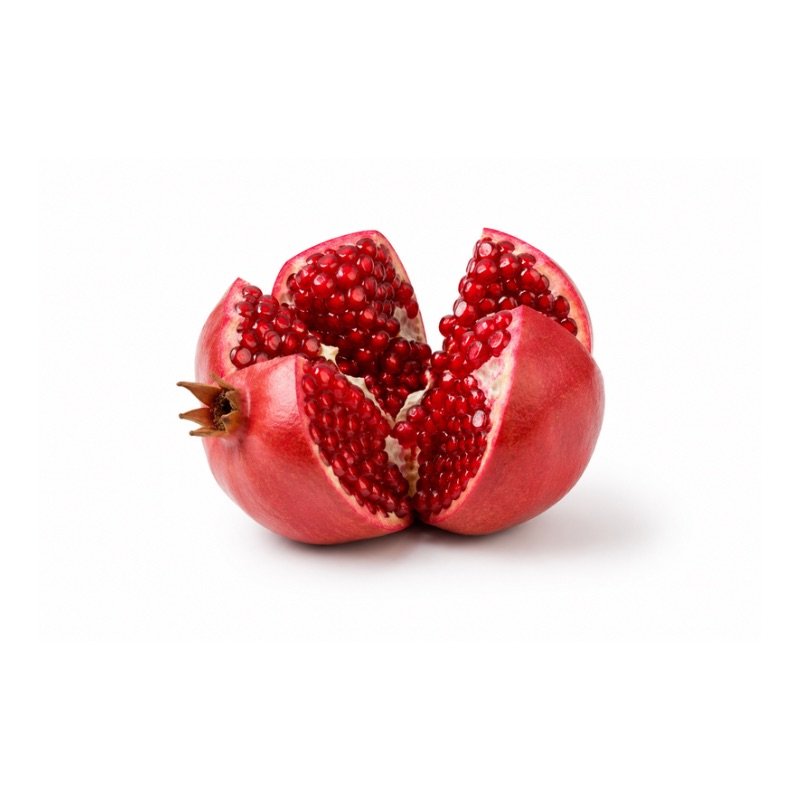
Pomegranate arils contain polyphenols, including ellagic acid and related compounds. Their sweet-tart crunch works beautifully in yogurt, salads, or oatmeal. Eating the arils also gives you the fruit’s texture and fiber.
Cacao
Flavanols found in cacao beans
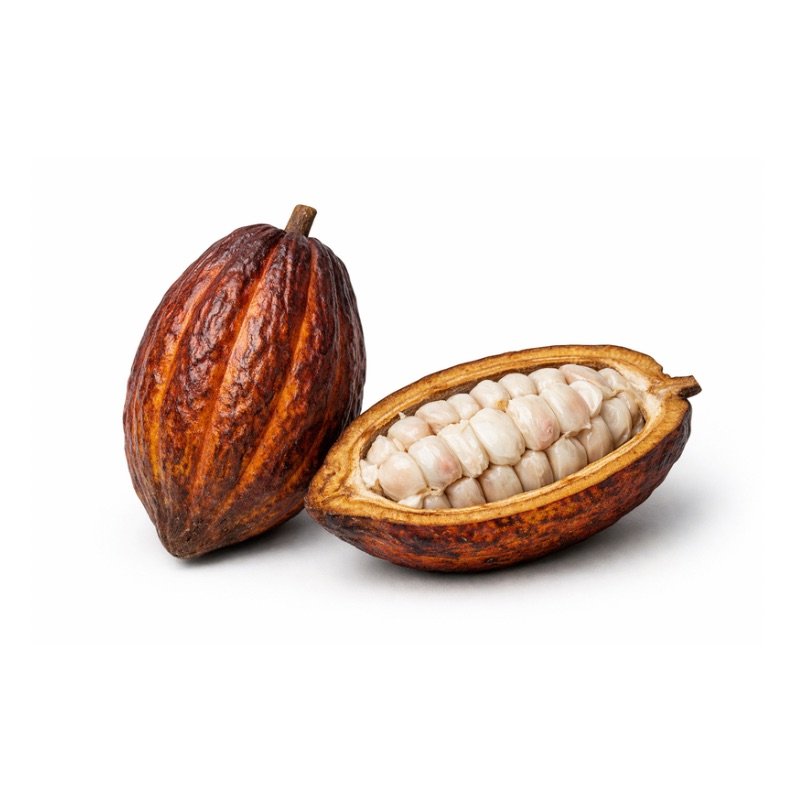
Cacao beans contain flavanols, polyphenols studied for their antioxidant activity. Stir unsweetened cocoa powder into yogurt or a drink for its rich flavor. Sweetened chocolate has a different mix of ingredients and flavanols.
Goldenberry (uchuva)
Carotenoids and phenolic compounds
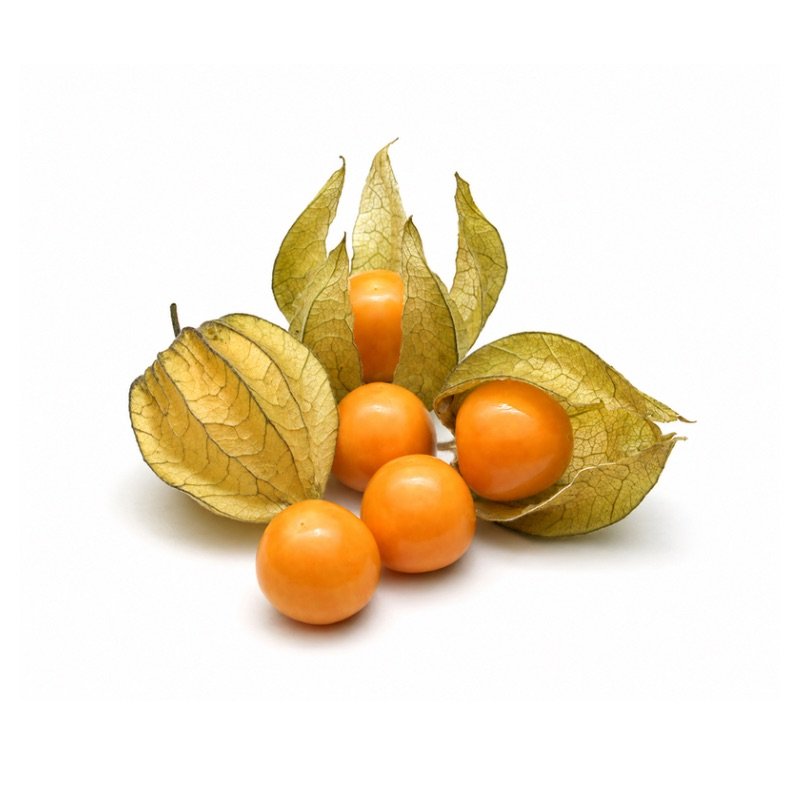
Goldenberries, also called uchuva or cape gooseberries, bring together carotenoids, vitamin C, and phenolic compounds. Their bright, sweet-tart flavor makes them fun to snack on or add to plain yogurt.
Mangosteen
Sweet white flesh; xanthones mainly in the rind
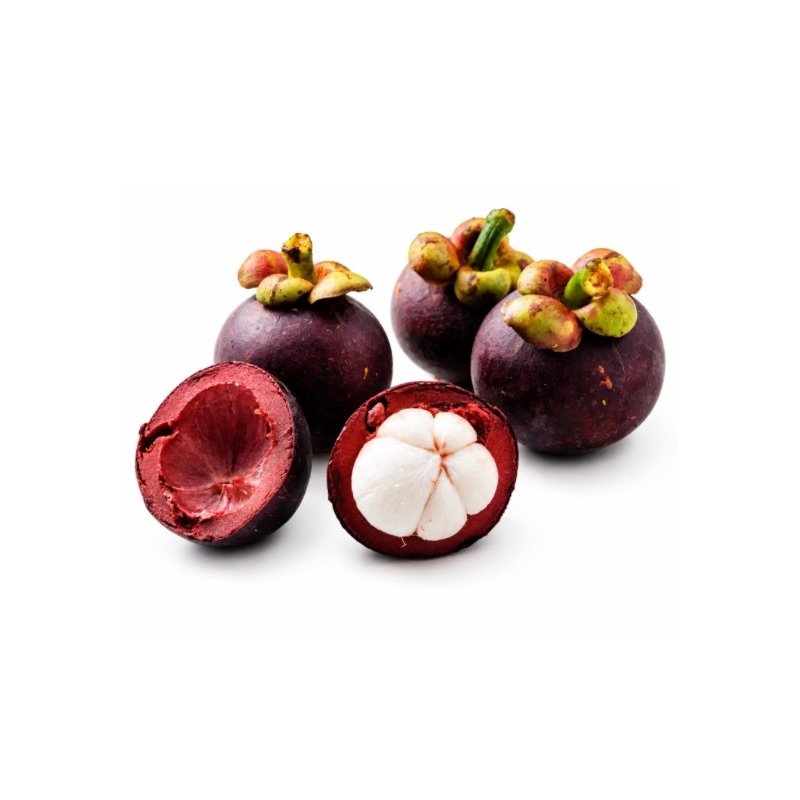
Mangosteen has juicy white flesh with a pleasantly sweet-tart taste. Most of the xanthones studied in this fruit are concentrated in the rind, which is usually not eaten. Enjoy the fresh flesh for its flavor without confusing it with rind extracts.
These fruits offer different nutrients and plant compounds; the order of the cards is not a ranking of antioxidant strength. Their composition varies with the variety, ripeness, and preparation. Results from laboratory studies on extracts do not establish what happens when someone eats the fruit.