
What Are the Best Tropical Fruits to Support Dopamine Naturally?
How Your Diet Can Naturally Support Dopamine and Brain Health
Dopamine is a neurotransmitter involved in motivation, reward, focus, movement, and how your brain responds to positive experiences. Your body makes dopamine through a series of biochemical steps that depend on amino acids and good overall nutrition. Nutrients such as vitamin B6, vitamin C, folate, and other key micronutrients support normal nervous system function and play direct or indirect roles in neurotransmitter metabolism.
Banana, cacao, avocado, borojó, chontaduro, granadilla, mamey sapote, passion fruit, açaí, camu camu, papaya, and guava all bring something different to the table. Some provide vitamins involved in normal neurotransmitter function, while others are rich in polyphenols, antioxidants, carotenoids, healthy fats, or natural energy. Together, they can add variety to a brain-healthy diet designed to support mood, energy, and overall well-being.
One thing to keep in mind: no single fruit works like a switch that instantly raises dopamine levels in your brain. The real benefit comes from giving your body the nutrients it needs as part of a balanced diet, along with quality sleep, regular exercise, natural daylight, social connection, and other healthy lifestyle habits.
Banana
Vitamin B6 to Support Normal Neurotransmitter Production
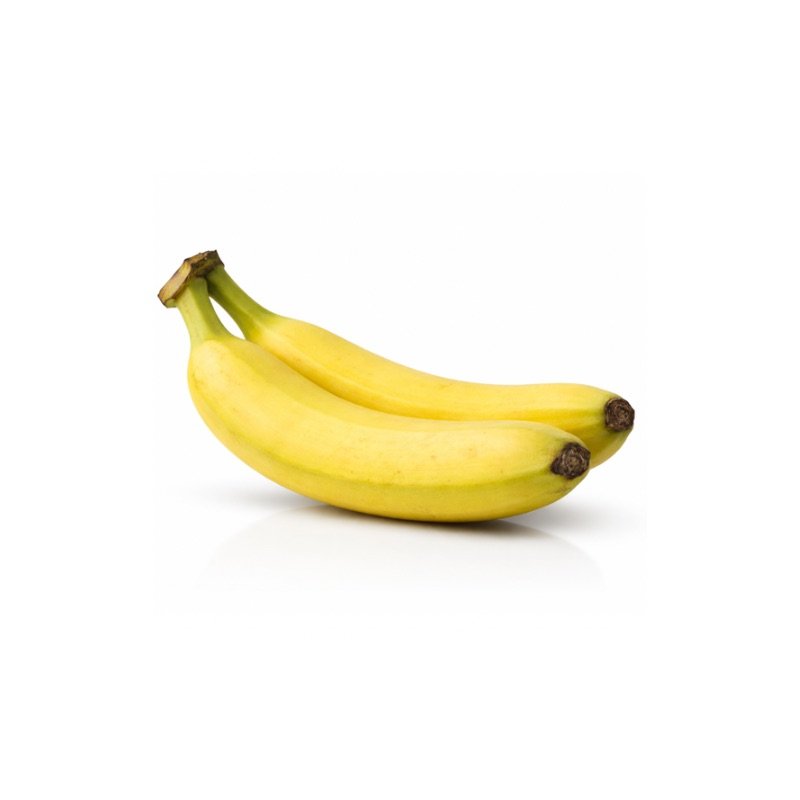
Bananas are an easy way to add natural energy to your day. They provide vitamin B6, a nutrient your body uses in processes involved in making and metabolizing neurotransmitters. A banana will not act like a direct dopamine stimulant, but it does provide one of the nutrients your nervous system relies on to function normally.
Cacao
Polyphenols, Pleasure, and Brain-Friendly Nutrition
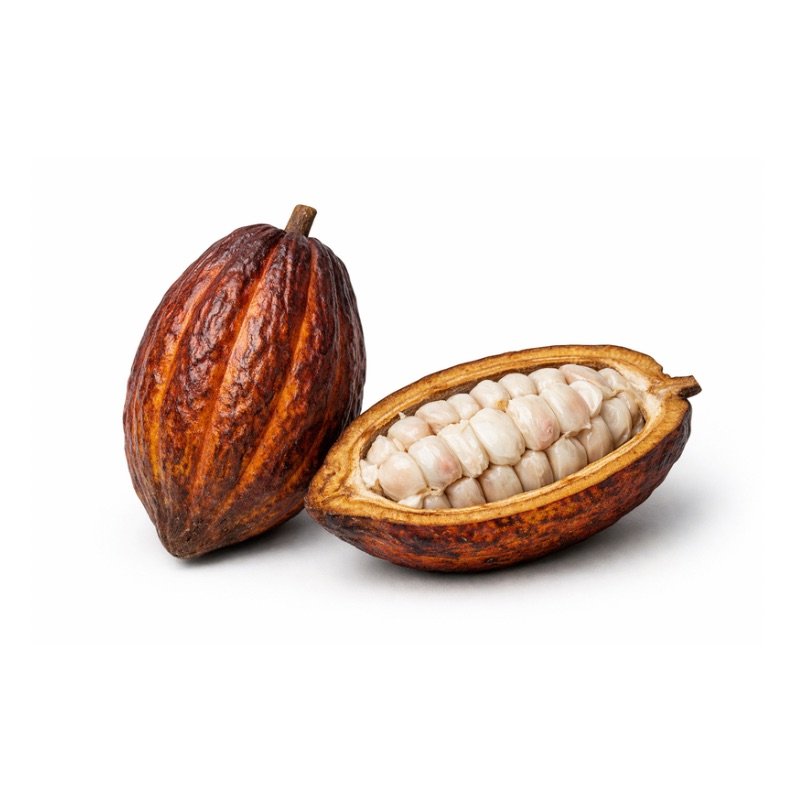
Pure cacao brings more to the table than its deep chocolate flavor. It contains polyphenols and other bioactive compounds that have been studied for their connection to brain function and well-being. Choosing unsweetened or minimally sweetened cacao is an easy way to enjoy it without turning it into a high-sugar dessert. Its relationship with dopamine is mostly indirect.
Avocado
Healthy Fats and Key Nutrients for Brain Health
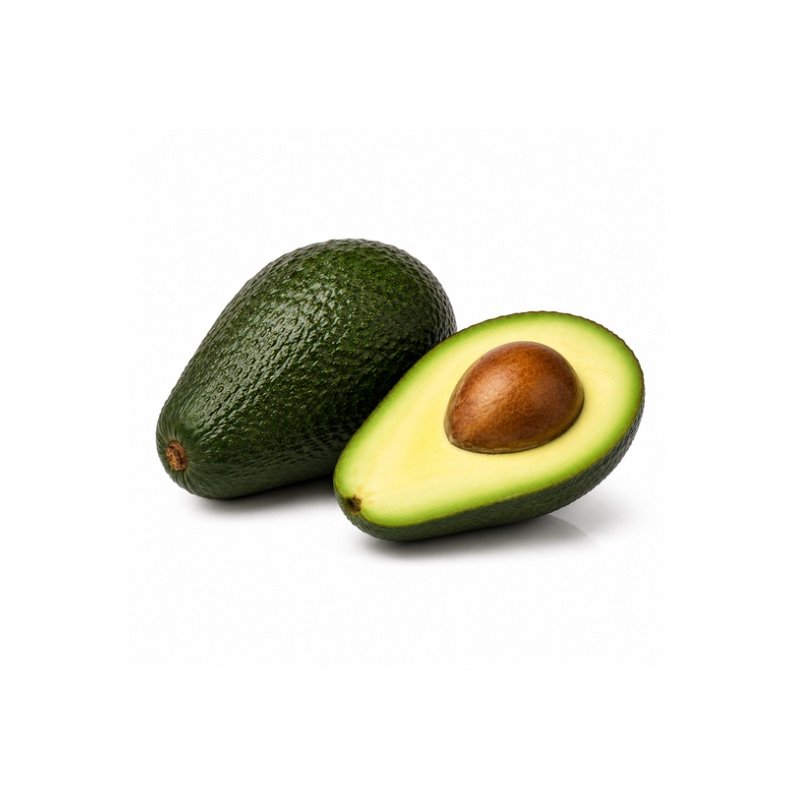
Avocado combines unsaturated fats, folate, and vitamin B6 in one nutrient-dense fruit. Those nutrients help support normal brain and nervous system function. Rather than directly “boosting dopamine,” avocado helps provide the nutritional foundation your body needs for normal neurotransmitter production and everyday brain health.
Borojó
Antioxidants and Natural Energy from a Rare Tropical Fruit
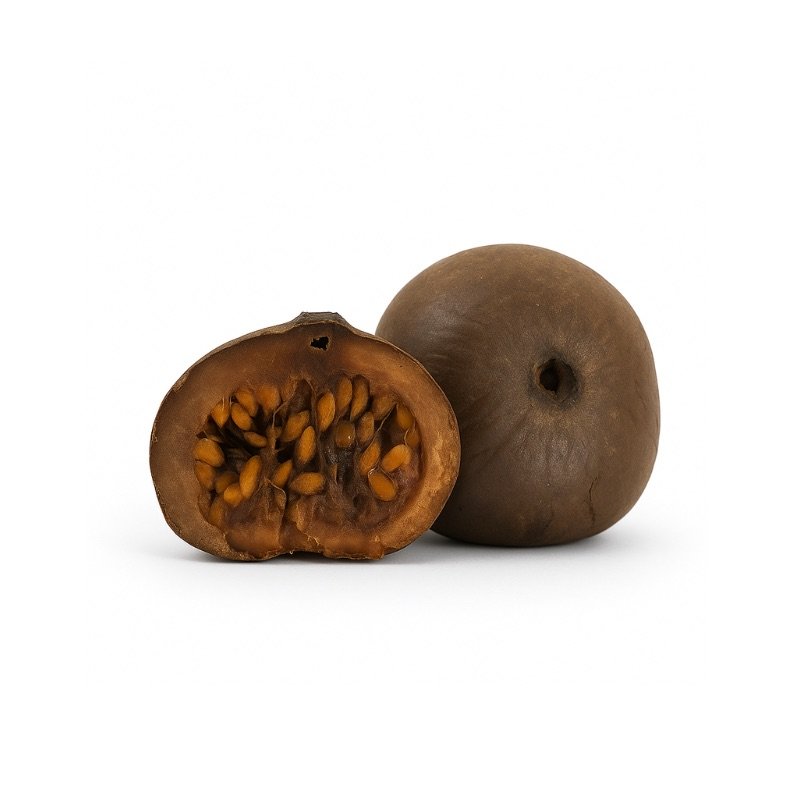
Borojó may be unfamiliar to many people in the U.S., but this tropical fruit provides phenolic compounds, antioxidants, and natural energy. It can add something different to a diet focused on physical and mental well-being. Research specifically connecting borojó with dopamine is still limited, so its strongest role here is nutritional and antioxidant support.
Chontaduro
Natural Energy, Healthy Fats, and Carotenoids
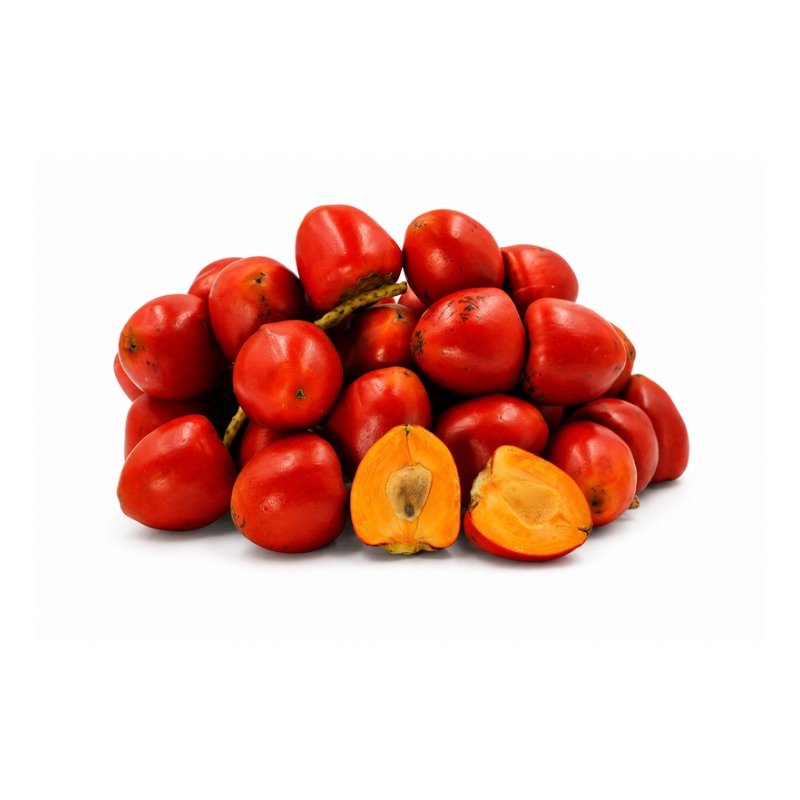
Chontaduro, also known as peach palm fruit, is more energy-dense than many tropical fruits and provides carbohydrates, fats, and carotenoids. That combination can be useful when you want steady fuel for an active day. Its connection with dopamine is indirect, through the broader role of balanced nutrition in supporting normal brain and nervous system function.
Granadilla
Refreshing, Nutrient-Rich, and Packed with Plant Compounds
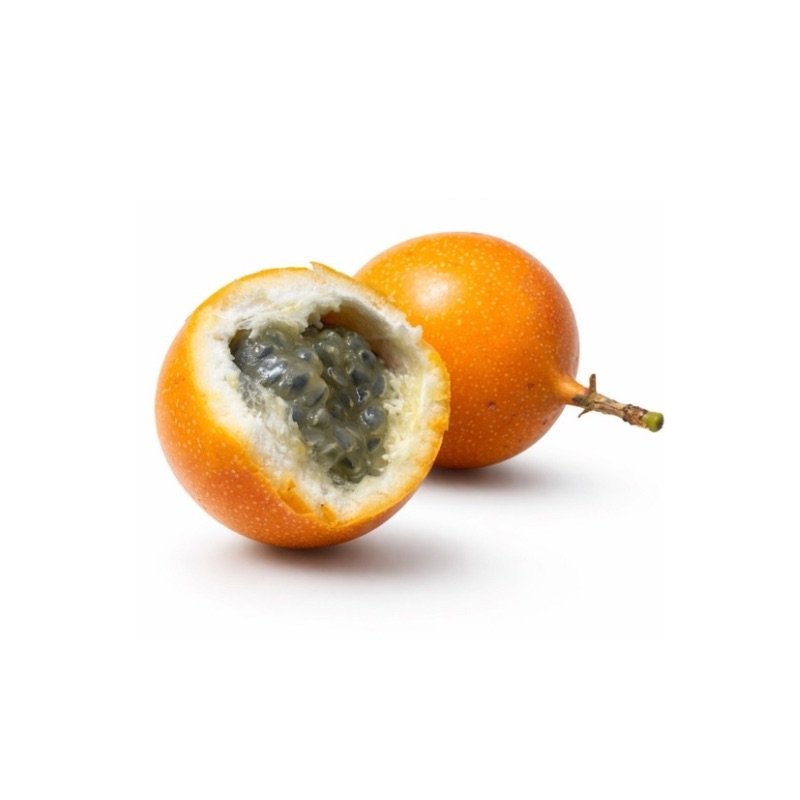
Granadilla, or sweet passion fruit, has a mild tropical flavor and is easy to add to a healthy diet. It provides vitamin C and a variety of beneficial plant compounds. It does not directly stimulate dopamine, but it can be part of a nutrient-rich eating pattern that supports your nervous system, brain health, and overall well-being.
Mamey Sapote
Natural Energy with Carotenoids and Micronutrients
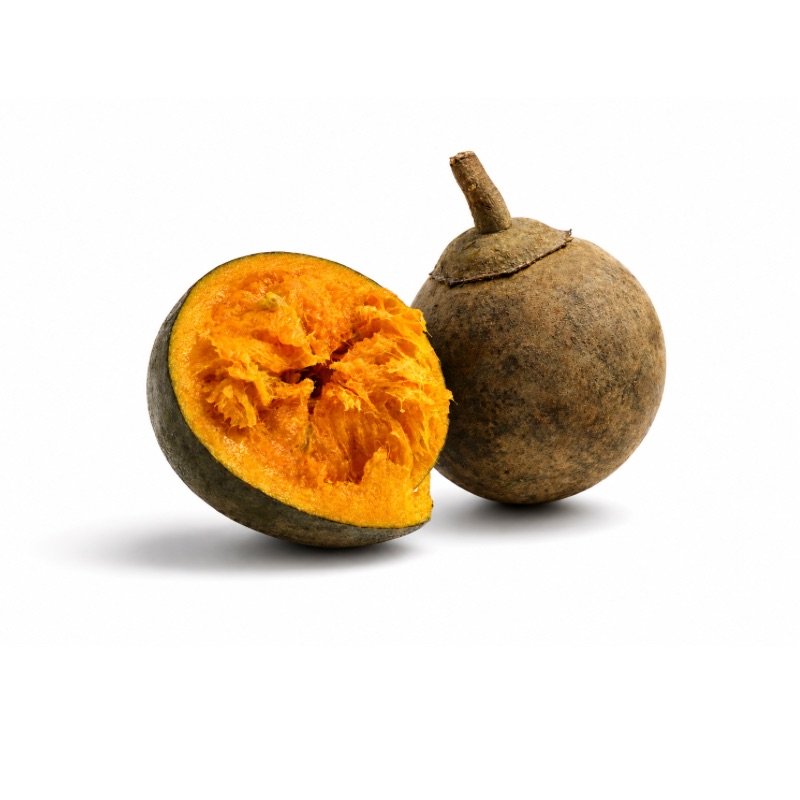
Mamey sapote has a naturally sweet, creamy flavor and provides carbohydrates, carotenoids, and several micronutrients. It is a satisfying way to get energy from a whole tropical fruit. Its role in natural dopamine support is indirect: it helps provide energy and nutrients as part of a balanced, brain-friendly diet.
Passion Fruit
Vitamin C and Antioxidants with Bold Tropical Flavor
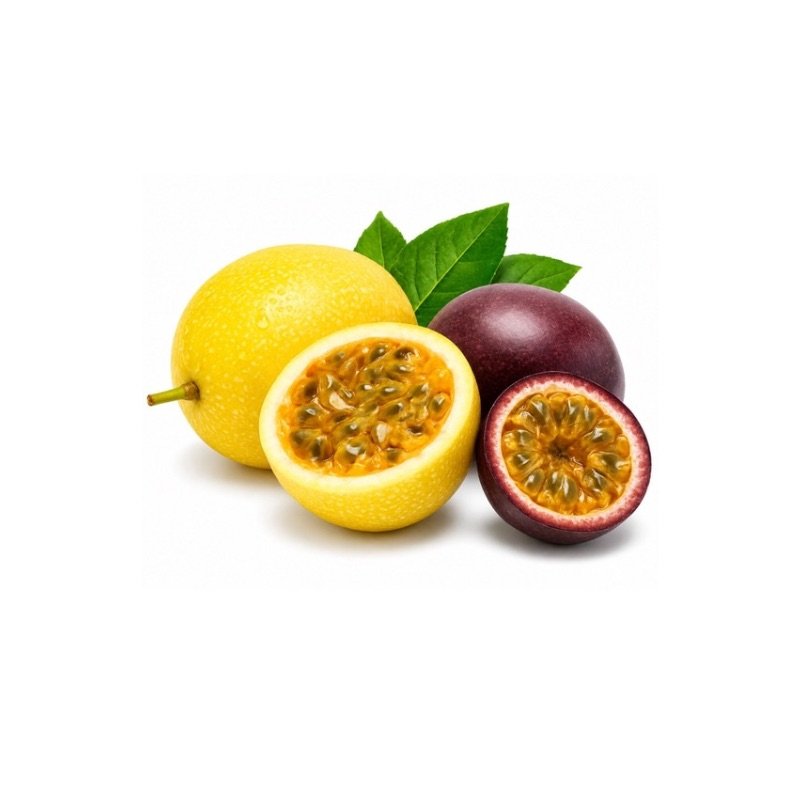
Passion fruit provides vitamin C along with a wide range of antioxidant plant compounds. Its bold sweet-tart flavor can brighten yogurt, oatmeal, smoothies, and desserts without relying on lots of added sugar. It does not directly raise dopamine, but it fits naturally into a nutrient-rich diet designed to support brain health and overall well-being.
Açaí
Anthocyanins and Polyphenols for an Antioxidant-Rich Diet
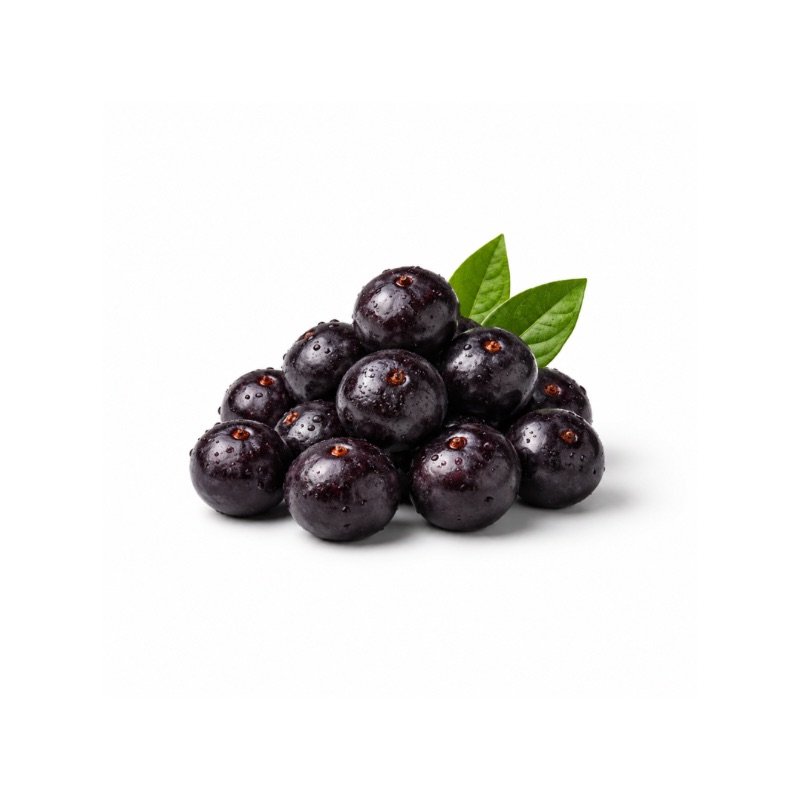
Açaí’s deep purple color comes in part from anthocyanins, a well-known group of antioxidant plant compounds. Adding açaí can be an interesting way to bring more polyphenol-rich foods into your diet. Its connection with dopamine is indirect, but it fits well into an antioxidant-rich eating pattern focused on brain health and long-term wellness.
Camu Camu
A Powerful Natural Source of Vitamin C
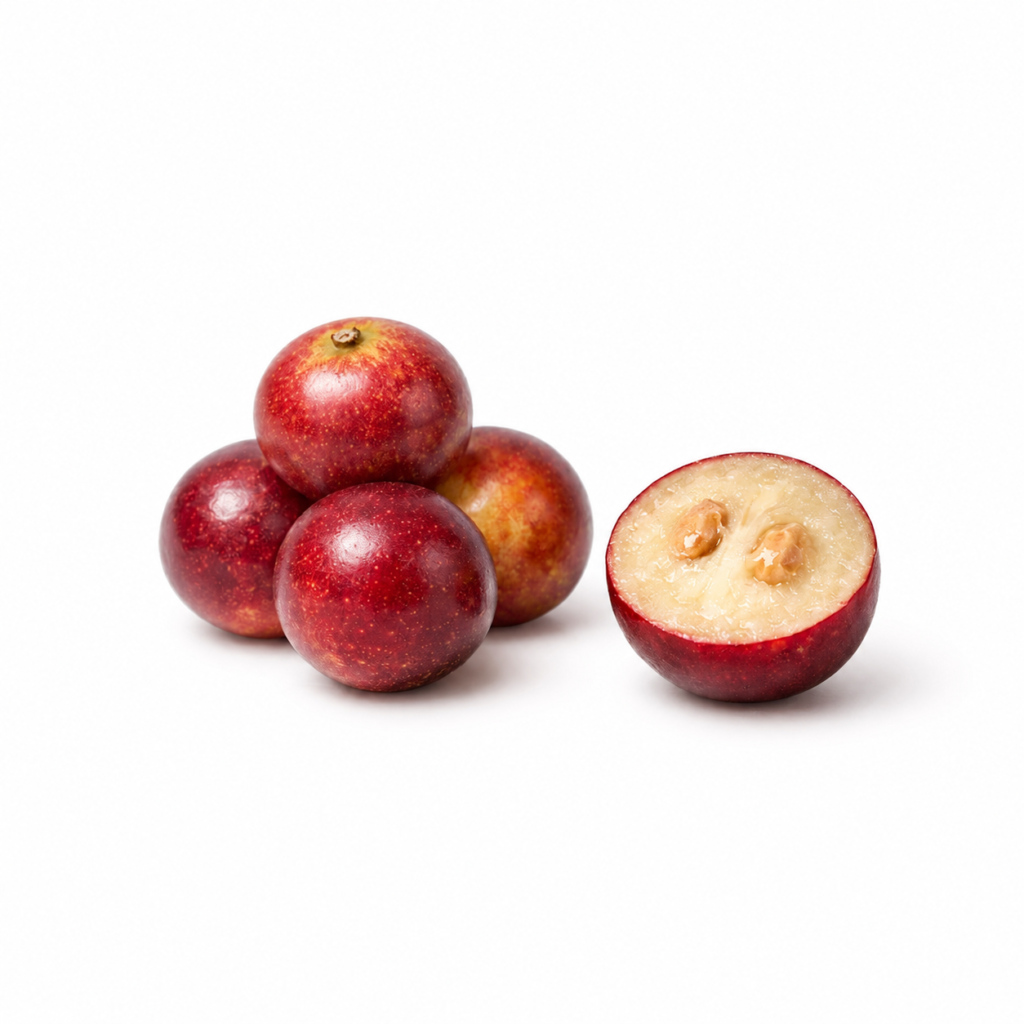
Camu camu stands out for its exceptionally high vitamin C content. Vitamin C is involved in several processes that support normal nervous system function and catecholamine metabolism. That does not mean eating more camu camu automatically produces more dopamine, but its nutrient profile makes it especially interesting in a diet focused on natural dopamine support and brain health.
Papaya
Vitamin C, Folate, and Carotenoids in Every Serving
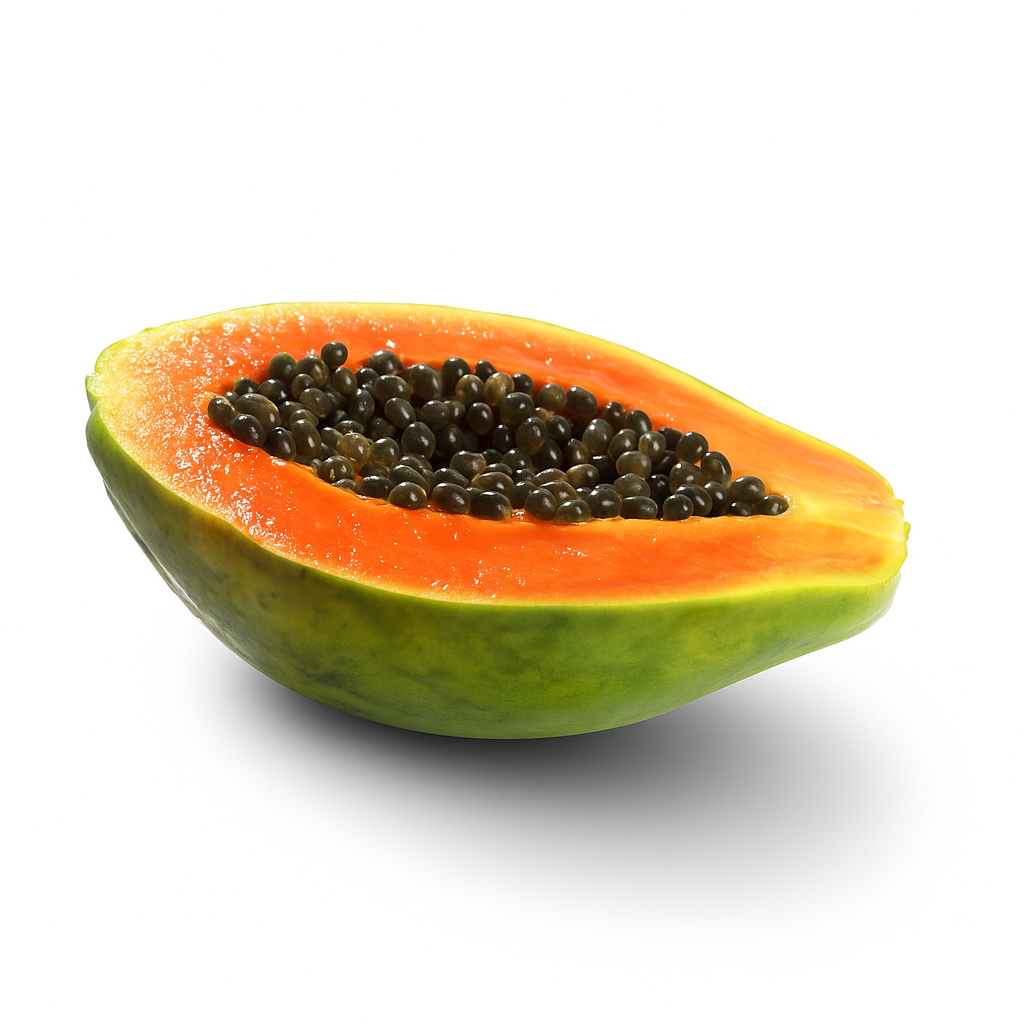
Papaya is light, hydrating, and easy to enjoy at breakfast, as a snack, or after a meal. It provides vitamin C, folate, and carotenoids that help round out a nutrient-rich diet. Its connection with dopamine is indirect, but it is an easy whole-food choice for a varied eating pattern that supports normal nervous system and brain function.
Guava
Vitamin C, Fiber, and Antioxidants in One Tropical Fruit
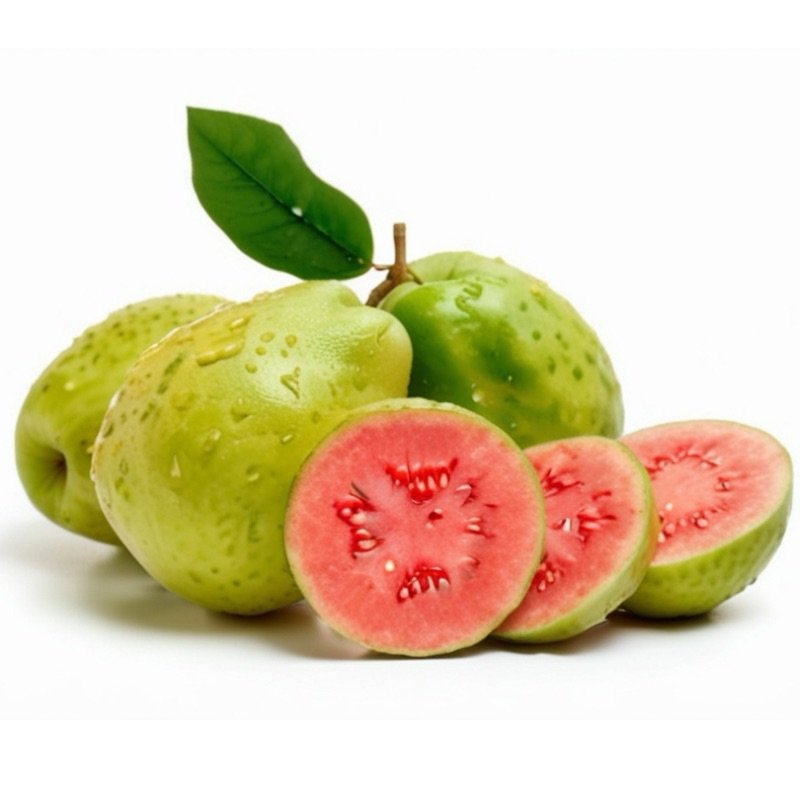
Guava is one of the most nutrient-dense tropical fruits, especially when it comes to vitamin C, fiber, and antioxidants. Those nutrients help support a well-rounded diet and normal nervous system function. Guava is not a direct dopamine booster, but it is an excellent whole-food choice for supporting the bigger picture of brain health, nutrition, and everyday well-being.