
Which Fruits Are High in Vitamin C? Meet These Six
Oranges get all the attention when it comes to vitamin C, but they aren’t the only fruit worth reaching for. Some of these vitamin C-rich fruits pack far more per 100 grams. Take a closer look at six options, from familiar favorites to fruits you may not have tried yet.
Camu camu
Approx. 1,400–3,000 mg of vitamin C per 100 g
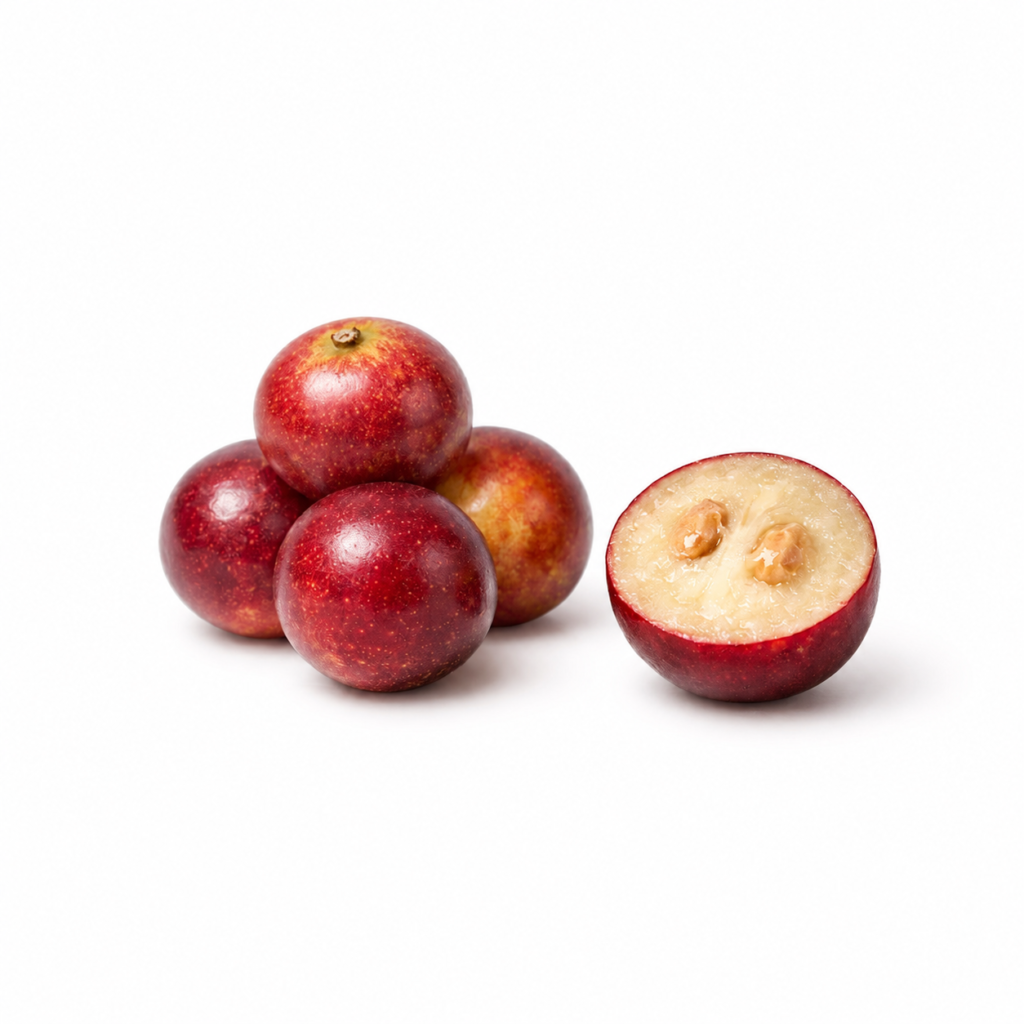
Small, tart, and native to the Amazon, camu camu is one of the most vitamin C-rich fruits on this list. Its exact vitamin C content varies with the fruit and how ripe it is, so the range is more useful than any single number.
Amla (Indian gooseberry)
Approx. 280–520 mg of vitamin C per 100 g
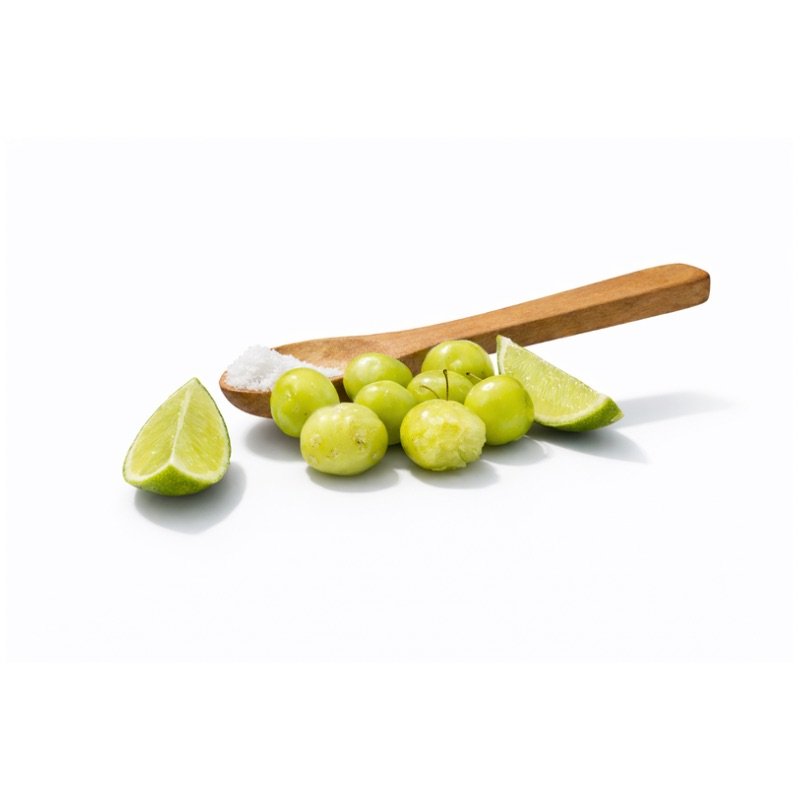
Also known as Indian gooseberry, amla is pale green with a sharp, sour bite. Fresh amla can contain substantially more vitamin C per 100 grams than guava, though levels vary from one sample to another.
Guava
Approx. 228 mg of vitamin C per 100 g
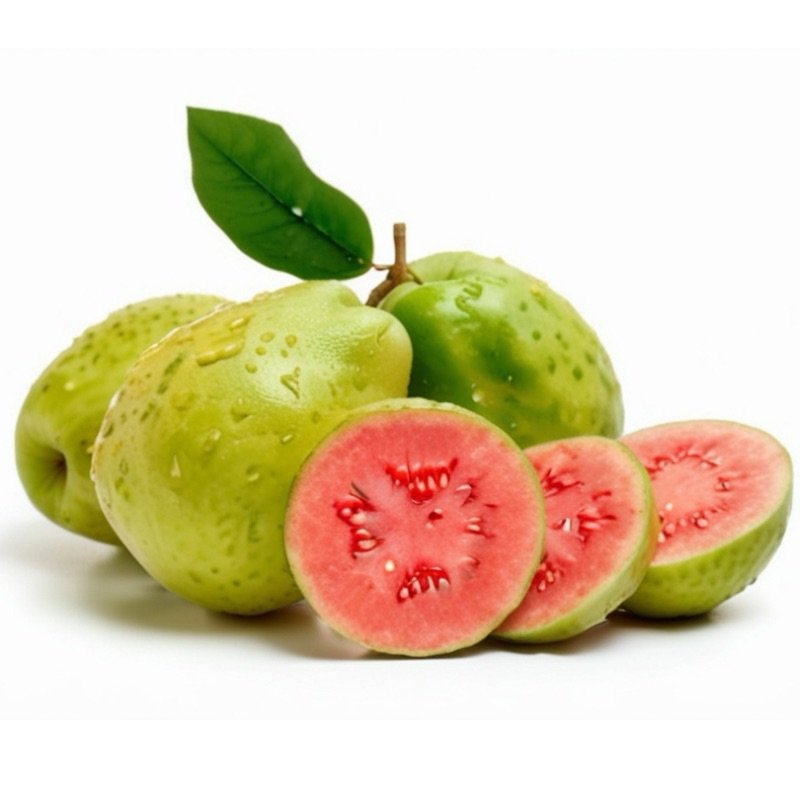
Fragrant and easy to enjoy fresh, guava delivers much more vitamin C per 100 grams than an orange. Slice it for a snack, or add it to breakfast for a bright, tropical twist.
Papaya
Approx. 61 mg of vitamin C per 100 g
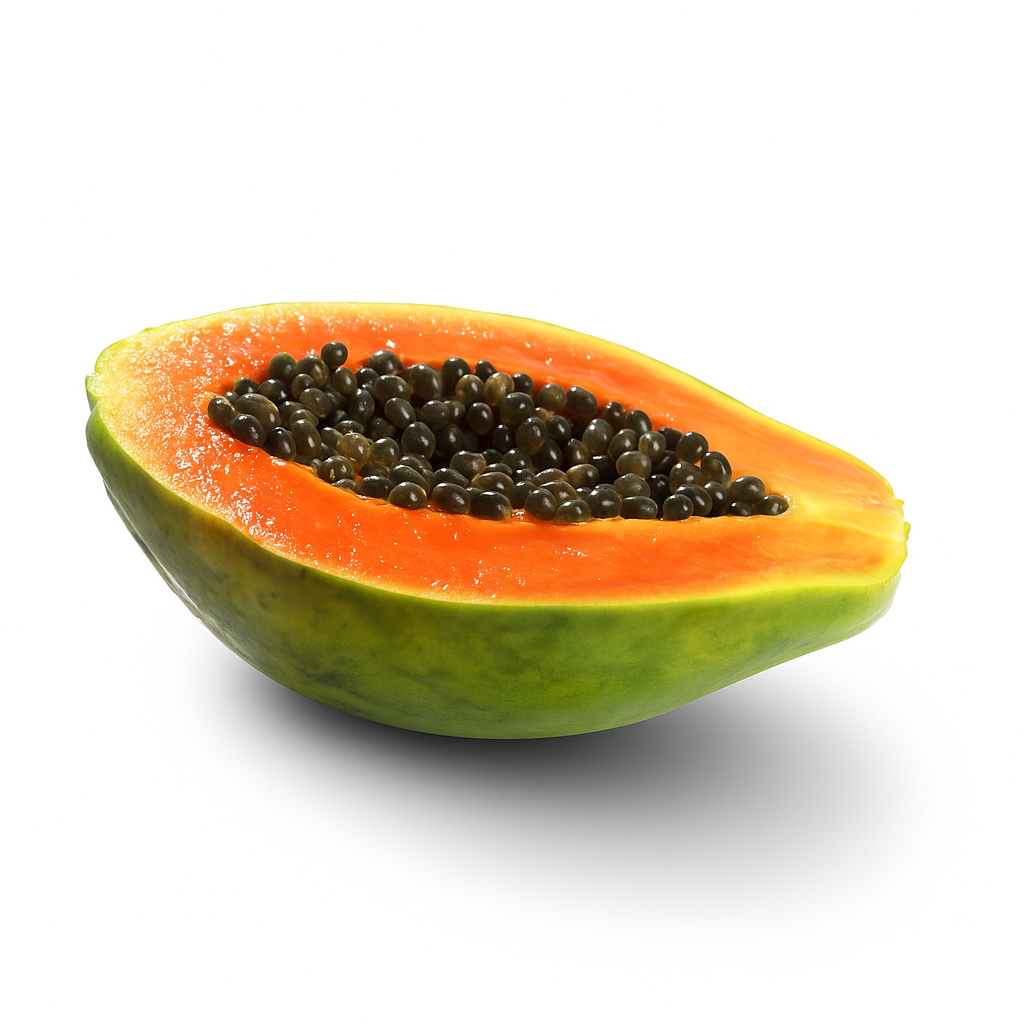
Papaya’s soft, sweet flesh tastes great on its own or with plain yogurt. It’s an easy way to add vitamin C, color, and a little tropical flavor to your morning routine.
Orange
Approx. 53 mg of vitamin C per 100 g
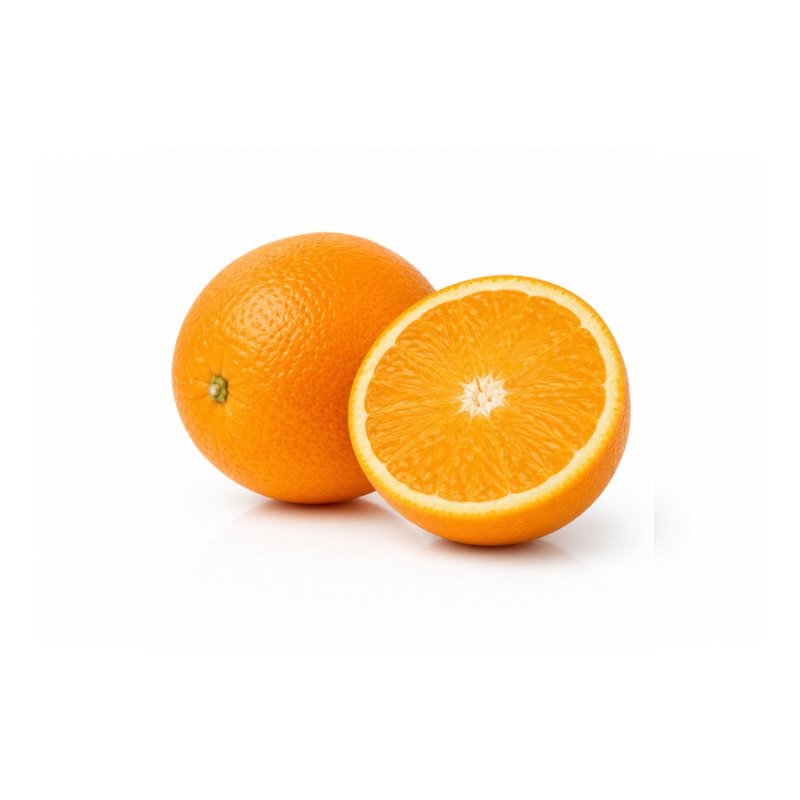
The orange may be the best-known source of vitamin C, and for good reason: it’s juicy, easy to find, and simple to take on the go. It isn’t the highest on this list, but it’s still a delicious everyday choice.
Açaí
Approx. 42 mg of vitamin C per 100 g of pulp
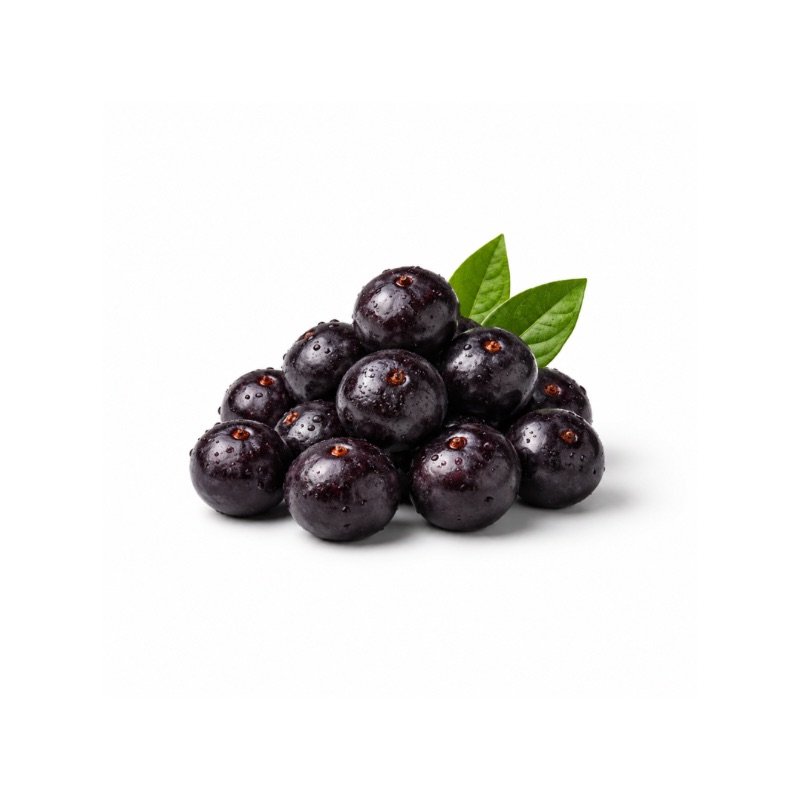
Açaí is often blended into smoothie bowls and topped with other fruit. This vitamin C estimate applies to a reference pulp; store-bought blends may contain a different amount, so check the label if you’re comparing products.
Vitamin C values are approximate and refer to 100 g of edible fresh fruit or pulp, as indicated. Variety, ripeness, and processing can change the amount. Amla (Indian gooseberry) is not the same fruit as blackcurrant.