
OTAHEITE GOOSEBERRY: SMALL, SOUR, TROPICAL, AND SERIOUSLY BOLD
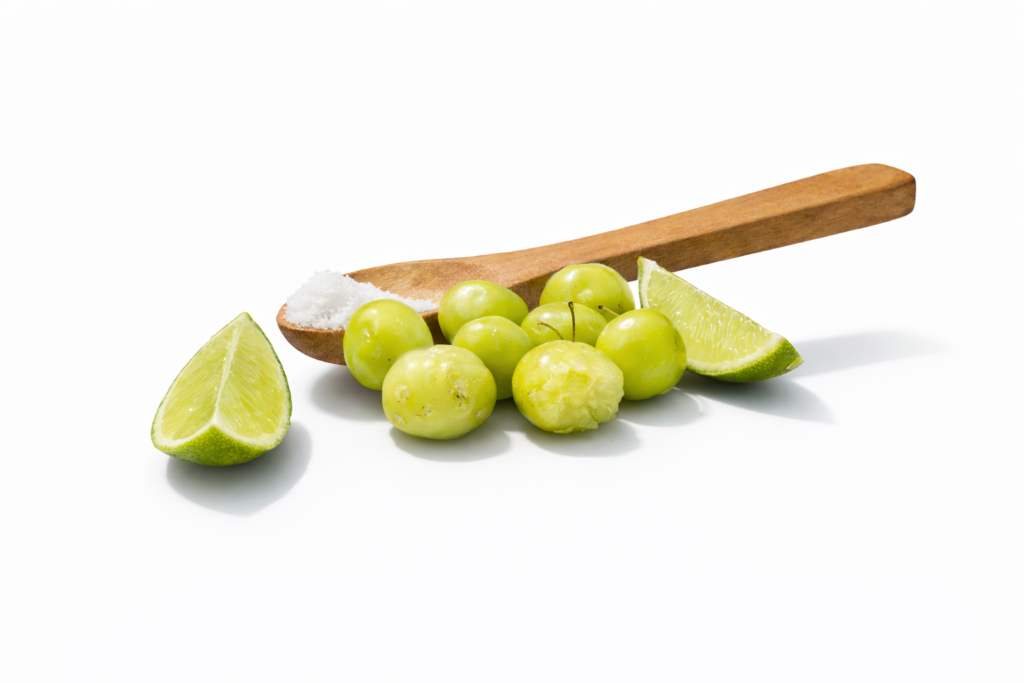
Otaheite gooseberry, also known as star gooseberry, Tahitian gooseberry, tropical gooseberry, or Phyllanthus acidus, is a small yellow-green tropical fruit with a bright, sour, refreshing flavor.
This is not the kind of fruit you eat like a sweet banana. Otaheite gooseberry plays a different game: sour, sharp, refreshing, and perfect for juices, pickles, sauces, chutneys, jams, tropical desserts, and recipes that need a real flavor kick.
Its practical value comes from freshness, natural acidity, high water content, a light calorie profile, and plant compounds that make it more than just a pretty tropical fruit. It can also help you replace sugary drinks or heavy desserts with fresher, brighter, more real-food options.
More tang. More freshness. More real fruit. More tropical personality in every bite.
Approximate value per 100 g of edible portion: a light, fresh fruit that works beautifully in sour recipes.
Its high moisture content explains that fresh, juicy, and light sensation.
This fruit is not trying to be sugary-sweet. Its strength is acidity, contrast, and freshness.
Great for juices, pickles, sauces, jams, chutneys, tropical drinks, and bright desserts.
What Is Otaheite Gooseberry?
Otaheite gooseberry is the fruit of Phyllanthus acidus, a shrub or small tree that grows in humid tropical climates. The fruits are small, round, ribbed, yellow-green, and intensely sour. In many places, they are eaten fresh with salt, made into juices, preserves, jams, pickles, sauces, and sweet-sour tropical recipes.
🥭 Not the European gooseberry or currant
In English, gooseberry can be confusing. Here we are talking about the tropical Otaheite gooseberry, Phyllanthus acidus, not European gooseberry or red/black currants.
🍋 Sour and refreshing
Its sour flavor makes it ideal when a recipe needs lift: cold drinks, sauces, chutneys, pickles, and desserts with contrast.
🌿 A versatile tropical fruit
You can eat it fresh if you enjoy sour fruit, but it usually shines more when combined with salt, lime, spices, honey, yogurt, or tropical ingredients.
Otaheite Gooseberry Nutrition Facts
Nutrition values can vary depending on origin, ripeness, variety, soil, and analysis method. Still, published values for Otaheite gooseberry describe a fruit that is very high in water, low in calories, low in fat, modest in carbohydrates, and modest in fiber, minerals, and vitamin C.
| Component | Approximate value per 100 g | What it means in real life | Useful take |
|---|---|---|---|
| Calories | ≈28 kcal | Light and low in calories. | Useful for fresh snacks and lighter recipes. |
| Water | ≈91.7 g | Very hydrating in feel. | Adds freshness, especially in juices and sauces. |
| Protein | ≈0.7 g | Low contribution. | Pair with yogurt, kefir, or nuts if you want more protein. |
| Fat | ≈0.52 g | Very low in fat. | Good for fresh and light preparations. |
| Carbohydrates | ≈6.4 g | Less sweet than many tropical fruits. | Its personality comes more from tang than sweetness. |
| Fiber | ≈0.6 g | Modest fiber contribution. | Do not market it as a very high-fiber fruit. |
| Calcium | ≈5 mg | Small amount. | Not a major calcium source. |
| Iron | ≈0.4 mg | Low to modest for a fruit. | Its acidity can help create fresher recipes with iron-rich foods. |
| Phosphorus | ≈23 mg | Small mineral contribution. | Adds to a varied diet. |
| Vitamin C | ≈8 mg, variable | Vitamin C can vary depending on source and ripeness. | Better to say it contributes vitamin C, not that it provides megadoses. |
Practical Benefits of Otaheite Gooseberry
Its real strength is acidity, freshness, lightness, and the power to turn a flat recipe into something alive. Small fruit, big personality.
🍋 Natural sour freshness
Its tangy flavor wakes up drinks, sauces, salads, and desserts. Perfect when you want less sweetness and more spark.
💧 Light and fresh feel
Because it is high in water and low in calories, it fits beautifully into fresh tropical recipes and hot-weather drinks.
🛡️ Plant compounds and antioxidants
Studies describe phenolic compounds and antioxidant activity in Phyllanthus acidus, but that should not be turned into a medical promise.
🥤 Alternative to sugary drinks
A homemade Otaheite gooseberry drink can be more interesting than commercial soda, as long as you control added sugar.
🍽️ Culinary power
In pickles, chutneys, jams, and sauces, Otaheite gooseberry brings acidity, brightness, and serious tropical personality.
🌿 Otaheite Gooseberry
It has searchable names: Otaheite gooseberry, star gooseberry, Tahitian gooseberry, tropical gooseberry, and Phyllanthus acidus.
What the Evidence Says About Otaheite Gooseberry
Otaheite gooseberry has clear food value and interesting research around phytochemicals. But it is important to separate real culinary use from medicinal claims. Much of the research uses extracts, isolated compounds, or lab studies, not people eating the fresh fruit as part of a normal diet.
| Area | What it may provide | Type of evidence | Practical level |
|---|---|---|---|
| Freshness and culinary use | Natural acidity, water, and bold flavor. | Food use + nutrition composition. | High practical value |
| Lightness | Low calories and low fat. | Composition data per 100 g. | High practical value |
| Antioxidants | Phenols, lignans, terpenoids, and antioxidant activity described in studies. | Extracts, isolated compounds, and experimental research. | Moderate experimental |
| Digestion | Acidity and a small amount of fiber. | Composition + traditional use. | Low to moderate |
| Diabetes or cholesterol | Traditional and pharmacological research exists, but not enough proof to promise effects from eating the fruit. | Reviews and preclinical studies. | Do not use as a promise |
| Immune support | May contribute some vitamin C and plant compounds. | Variable composition. | Indirect and modest |
How to Eat Otaheite Gooseberry
Otaheite gooseberry can be eaten fresh, but its sourness can be intense. That is why many people enjoy it with salt, in juices, jams, pickles, sauces, chutneys, or sweet-sour desserts. The key is to use it as a spark ingredient, not as a classic sweet fruit.
| Way to eat it | How to do it | Benefit | Practical tip |
|---|---|---|---|
| Fresh with salt | Wash and eat small portions with a pinch of salt. | Intensifies flavor and softens the sour bite. | Great for trying it the first time. |
| Fresh drink or juice | Blend with cold water and strain if you want a smoother texture. | Sour, refreshing, and very tropical. | Use very little sugar or moderate honey/stevia. |
| Pickled | Prepare with vinegar, salt, spices, and resting time. | Perfect as a side for meals. | Works well with chili, ginger, or black pepper. |
| Jam | Cook with a small amount of sugar and lime until thick. | Turns acidity into intense flavor. | Use small portions with yogurt or toast. |
| Tropical chutney | Cook with onion, ginger, spices, and a touch of sweetness. | Great with meats, tofu, fresh cheese, or rice. | Excellent for gourmet-style recipes. |
| Sour sauce | Blend or chop with cilantro, lime, salt, and optional chili. | Adds brightness to heavy dishes. | Perfect with fish, chicken, avocado, or legumes. |
How to Use Otaheite Gooseberry Based on Your Goal
Otaheite gooseberry works best when used intentionally: to refresh, add acidity, replace commercial drinks, or create recipes with more life. It is not magic. It is a powerful culinary tool.
| Goal | How to use it | Main benefit | Practical tip |
|---|---|---|---|
| More freshness | Cold Otaheite gooseberry water with ice. | Tangy and light feel. | Control added sugar. |
| Fewer sodas | Homemade juice diluted with cold water. | More real-food option than commercial drinks. | Use more water and less sweetener. |
| Savory recipes | Gooseberry sauce with lime, salt, and herbs. | Acidity that lifts heavy dishes. | Use with fish, chicken, tofu, or avocado. |
| Smarter dessert | Small spoon of gooseberry jam with plain yogurt. | Sweet-sour flavor with personality. | Do not turn it into a sugar bomb. |
| Tropical cooking | Gooseberry chutney with spices. | Sweet-sour contrast. | Great for special recipes. |
| SEO content | Explain names and difference from currants. | Avoids confusion and improves relevance. | Use Otaheite gooseberry + Phyllanthus acidus. |
Simple Weekly Plan With Otaheite Gooseberry
Otaheite gooseberry is powerful. You do not need large amounts every day. Use it as a sour accent, a fresh drink, or a contrast ingredient inside a varied diet.
| Day | Moment | How to use it | Goal |
|---|---|---|---|
| Monday | Mid-morning | Cold Otaheite gooseberry water with ice. | Start with acidity and freshness. |
| Tuesday | Lunch | Sour gooseberry sauce for fish or tofu. | Bring a savory dish to life. |
| Wednesday | Snack | Plain yogurt with a teaspoon of gooseberry jam. | Controlled sweet-sour dessert. |
| Thursday | Dinner | Pickled gooseberries as a side. | Add contrast without making the meal heavy. |
| Friday | Drink | Gooseberry juice diluted with cold water. | Replace commercial soda. |
| Saturday | Special recipe | Gooseberry chutney with ginger. | Tropical gourmet touch. |
| Sunday | Rest | Skip it or use a small portion. | Keep fruit variety and avoid excess acidity. |
Easy Otaheite Gooseberry Recipes
Otaheite gooseberry shines when used as a natural acidic ingredient. Think of it as somewhere between fruit, lime, and a tropical seasoning. A little can change the whole dish.
| Recipe | Ingredients | Steps | Time |
|---|---|---|---|
| Otaheite gooseberry water | Gooseberries, cold water, ice, tiny touch of honey. | Blend, strain if desired, and serve over ice. | 5 min |
| Gooseberry with salt | Washed gooseberries and a pinch of salt. | Eat small portions to test the sourness. | 2 min |
| Sour tropical sauce | Gooseberry, lime, cilantro, salt, optional chili. | Blend or finely chop and serve fresh. | 6 min |
| Gooseberry chutney | Gooseberry, onion, ginger, spices, touch of sweetness. | Cook low until thick and jammy. | 20 min |
| Light gooseberry jam | Gooseberry, a little sugar or panela, lime. | Cook until thick and store cold. | 25 min |
| Tropical sour yogurt | Plain yogurt, light gooseberry jam, nuts. | Mix and serve cold. | 3 min |
🥤 Otaheite gooseberry water
Ingredients: gooseberry, cold water, ice, and a tiny touch of honey.
Best moment: hot day.
Why it works: refreshes without depending on commercial sodas.
🍋 Sour tropical sauce
Ingredients: gooseberry, lime, cilantro, salt, and optional chili.
Best moment: savory meal.
Why it works: wakes up fish, chicken, tofu, avocado, or legumes.
🍯 Gooseberry chutney
Ingredients: gooseberry, onion, ginger, spices, and a touch of sweetness.
Best moment: special recipe.
Why it works: turns acidity into a gourmet-style sauce.
🥣 Yogurt with gooseberry
Ingredients: plain yogurt, light gooseberry jam, and nuts.
Best moment: controlled dessert.
Why it works: blends protein, tang, and texture.
Otaheite Gooseberry vs Red Currants, Lime, and Tamarind
Many people hear gooseberry and think of European gooseberries or currants, but Otaheite gooseberry has another profile: more tropical, more culinary, more acidic, and very useful in recipes.
| Food | Flavor profile | Main use | Practical take |
|---|---|---|---|
| Otaheite gooseberry | Sour, fresh, yellow-green. | Juices, pickles, sauces, chutneys. | Tropical fruit with a bold sour character. |
| Red currant | Tart and berry-like. | Desserts, jams, baking. | Not the same fruit or plant. |
| Lime | Direct citrus acidity. | Dressings, drinks, everyday cooking. | More common and juicier. |
| Tamarind | Sweet-sour, brown, pulpy. | Drinks, sauces, candy. | Denser and more earthy-sweet. |
Safety, Acidity, and Precautions
Otaheite gooseberry is eaten as food in different tropical regions, but its acidity and common use in sugary or salty preparations require common sense. The key is moderate portions and balanced preparation.
| Situation | Precaution | What to do |
|---|---|---|
| Acid reflux or gastritis | It may irritate people with reflux, gastritis, or sensitive stomachs. | Use small amounts and avoid on an empty stomach if it bothers you. |
| Sensitive teeth | Acidic fruits can increase dental sensitivity. | Rinse with water afterward and avoid brushing immediately after very acidic foods. |
| Diabetes or glucose control | The issue is often added sugar in juices or jams. | Use little sugar and small portions. |
| High blood pressure | Very salty pickles may not be ideal. | Control salt and use herbs or spices. |
| Children | The sourness can be intense. | Offer small portions and milder preparations. |
| Allergies | Any fruit can trigger reactions in sensitive people. | Try a small amount first if you have a history of allergies. |
Common Mistakes When Using Otaheite Gooseberry
The main mistake is treating it like a sweet fruit. Otaheite gooseberry makes more sense as a sour fruit, natural seasoning, and base for recipes with contrast.
| Mistake | Why it is not ideal | Better option |
|---|---|---|
| Expecting it to taste like mango | Its flavor is sour and can surprise you. | Use it as a freshness and contrast ingredient. |
| Adding too much sugar to juice | It can turn a fresh drink into a sugar bomb. | Dilute with water and sweeten lightly. |
| Eating too much on an empty stomach | The acidity may irritate some people. | Use with food or in small portions. |
| Confusing it with currants | They are different fruits and SEO can get messy. | Use Otaheite gooseberry or Phyllanthus acidus. |
| Promising medical benefits | Direct clinical evidence is limited. | Talk about culinary use, freshness, and plant compounds. |
Frequently Asked Questions About Otaheite Gooseberry
| Question | Practical answer |
|---|---|
| What is Otaheite gooseberry? | It is a sour tropical fruit from Phyllanthus acidus, also called star gooseberry, Tahitian gooseberry, or tropical gooseberry. |
| Is Otaheite gooseberry the same as red currant? | No. Red and black currants belong to the Ribes genus. Otaheite gooseberry is Phyllanthus acidus and has a different taste, use, and origin. |
| How do you eat Otaheite gooseberry? | It can be eaten fresh in small amounts, with salt, in juices, pickles, jams, sauces, chutneys, and sweet-sour desserts. |
| What does Otaheite gooseberry taste like? | It tastes sour, fresh, intense, and slightly astringent. That is why it works so well in recipes with contrast. |
| What are the benefits of Otaheite gooseberry? | Its practical benefits are freshness, natural acidity, lightness, and plant compounds. It can also help replace soda or sweets when prepared with little added sugar. |
| Does Otaheite gooseberry have vitamin C? | It can contribute vitamin C, but values vary by source, ripeness, and analysis. It is better to describe it as a modest and variable contribution, not a megadose. |
| Is it good for weight loss? | It is light and low in calories, but it does not cause weight loss by itself. It may help if it replaces sugary drinks or heavy desserts within a balanced diet. |
| Can you eat it every day? | In moderate portions, it can be part of a varied diet, but because it is acidic, pay attention to your digestive and dental tolerance. |
Tropical Sour Mode: ON 🧡
Otaheite gooseberry is not here to be soft and boring. It is here to wake up recipes. Small, sour, fresh, and bold enough to turn a drink, sauce, or dessert into something way more alive.
It does not need magical promises. Its power is practical: more freshness, more contrast, more real fruit, and less dependence on sodas or industrial sweets.
More natural tang. More recipes with spark. More tropical flavor. More personality on your plate.
Note: this content is for informational purposes only and does not replace advice from a doctor, registered dietitian, endocrinologist, or qualified health professional.
Useful Editorial References
For editorial review, compare Kew Plants of the World Online for taxonomy, CABI for composition and distribution data, scientific reviews on Phyllanthus acidus, studies on phenolic compounds and antioxidant activity, and culinary sources on Otaheite gooseberry. This page uses a careful interpretation: real practical benefits, without promising clinical effects that have not been demonstrated from eating the fresh fruit.