
What Are the Best Tropical Fruits for Digestion and Gut Health?
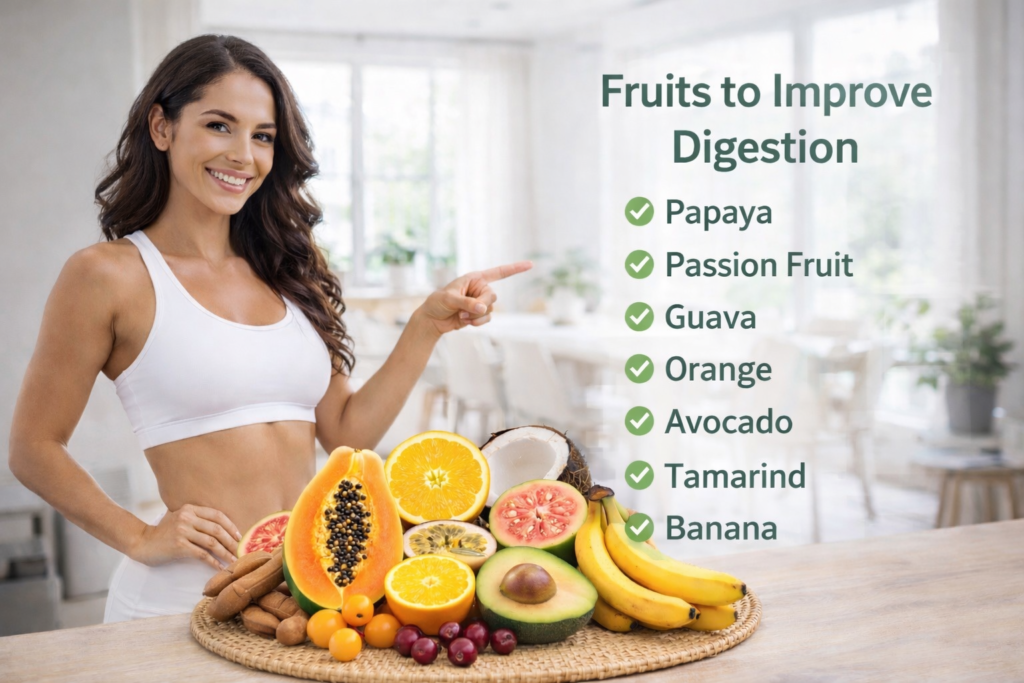
When your digestive system feels good, you often notice the difference throughout your entire day. Adding more tropical fruits for digestion and gut health is a simple, delicious way to increase your intake of water, fiber, and naturally occurring plant compounds. Together, these nutrients can support healthy digestion, regular bowel movements, and a diverse gut microbiome as part of a balanced diet.
Tamarind, papaya, guama, granadilla, soursop, passion fruit, oranges, avocado, bananas, and guava each bring something different to the table. Some are especially rich in fiber, while others provide water, soluble fiber such as pectin, or resistant starch. Eating a variety of fruits throughout the week is one of the easiest ways to add more plant diversity to your diet and support a comfortable, healthy digestive system and better gut health.
There is no single miracle fruit for digestion. The biggest difference comes from your overall eating pattern: enjoy a variety of fiber-rich foods, drink enough water, stay active, and give your digestive system the consistency it needs.
Tamarind
Fiber to support digestive regularity
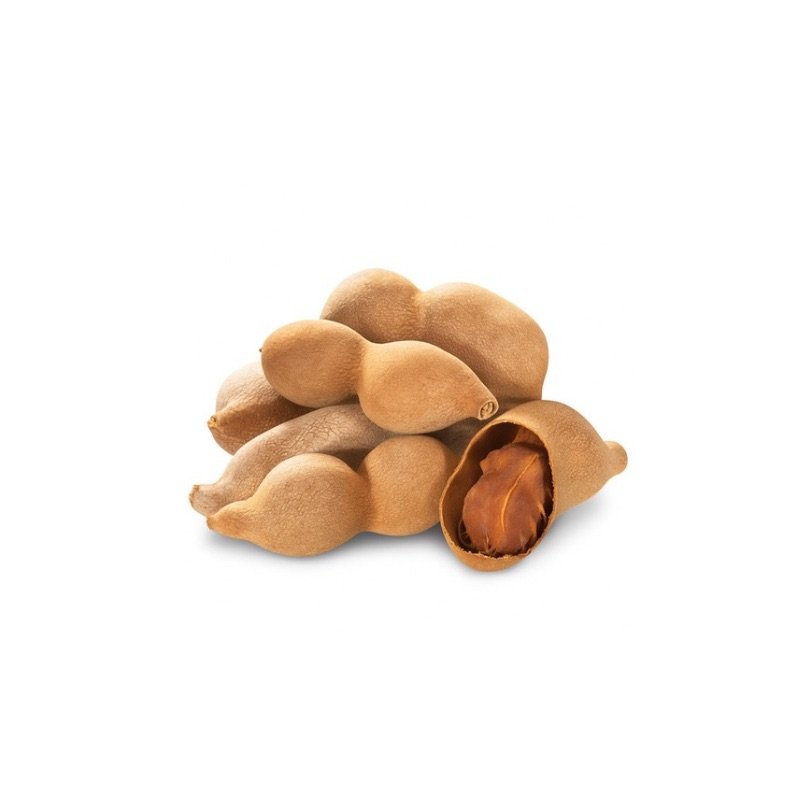
Tamarind is a flavorful way to add more fiber to your diet. Dietary fiber helps support normal bowel function and can promote more regular bowel movements. Its naturally tangy flavor works especially well in drinks, sauces, marinades, and tropical-inspired recipes, making it an easy fruit to explore if you want more variety in a gut-friendly diet.
Papaya
A gentle tropical fruit for healthy digestion
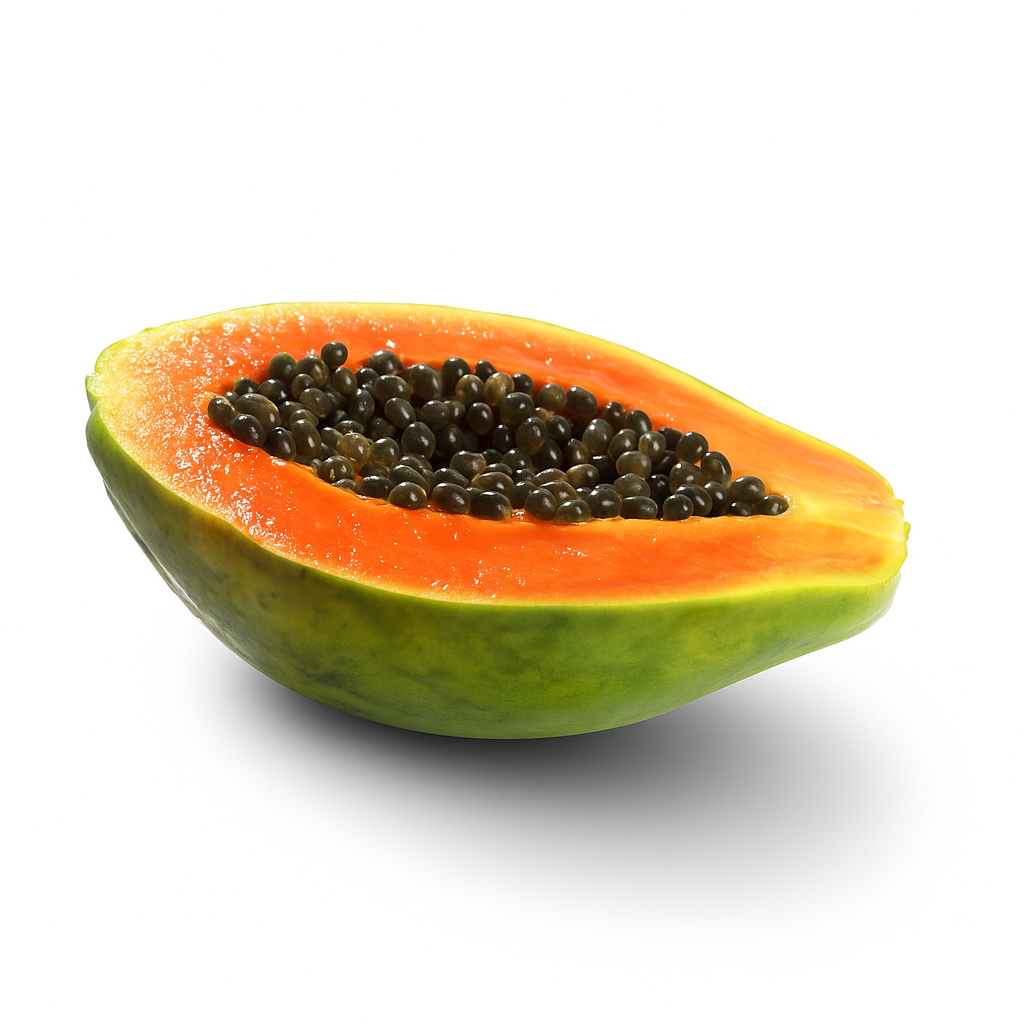
Papaya combines water and fiber with a naturally soft, juicy texture. It also contains papain, a naturally occurring enzyme involved in breaking down proteins. Enjoy it at breakfast, after a meal, or in a smoothie bowl when you want a refreshing tropical fruit that is easy to add to an everyday diet focused on healthy digestion.
Guama
Plant fiber to support your gut microbiome
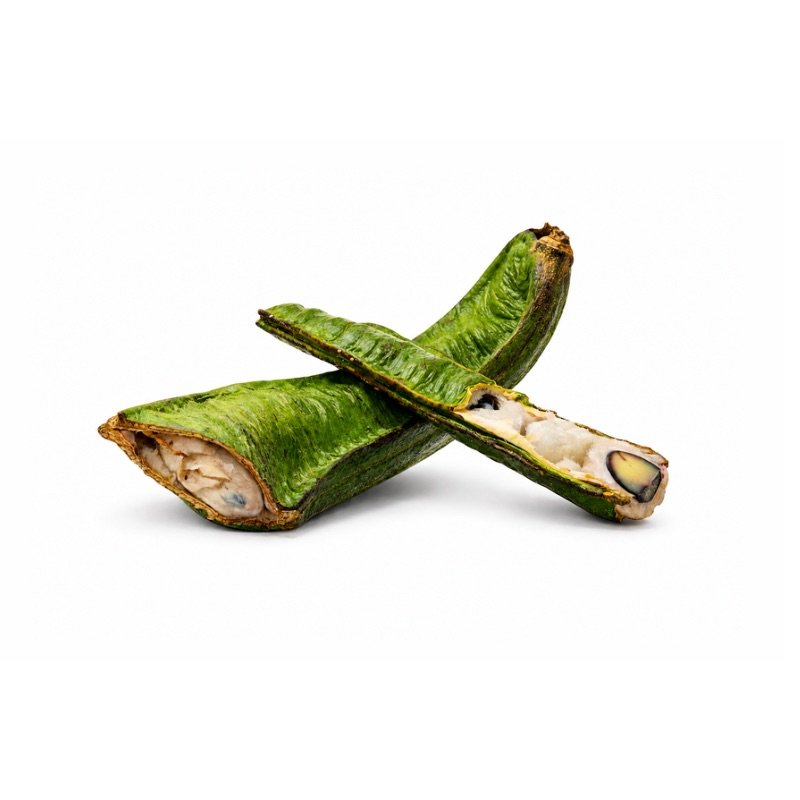
Guama has a naturally sweet, fibrous pulp that can add more variety to a plant-rich diet. Its dietary fiber supports normal bowel function and provides nutrients that can be used by microorganisms living in the gut. It may not be as familiar in the United States, but this unusual tropical fruit is worth discovering if you enjoy adding new fiber-rich foods to your diet.
Granadilla
Fiber-rich seeds for digestive regularity
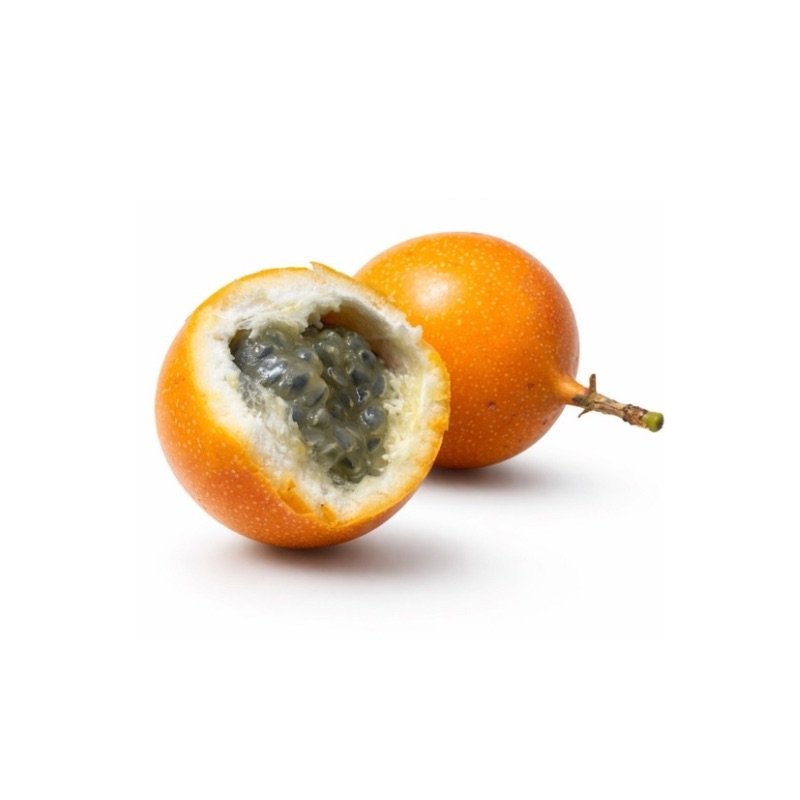
Granadilla is usually eaten together with its small edible seeds, giving you both texture and dietary fiber in every spoonful. Fiber helps add bulk to stool and supports normal digestive regularity. Its sweet, aromatic pulp makes granadilla an easy fruit to enjoy on its own as a refreshing dessert or between meals.
Soursop
Water and fiber in a creamy tropical fruit
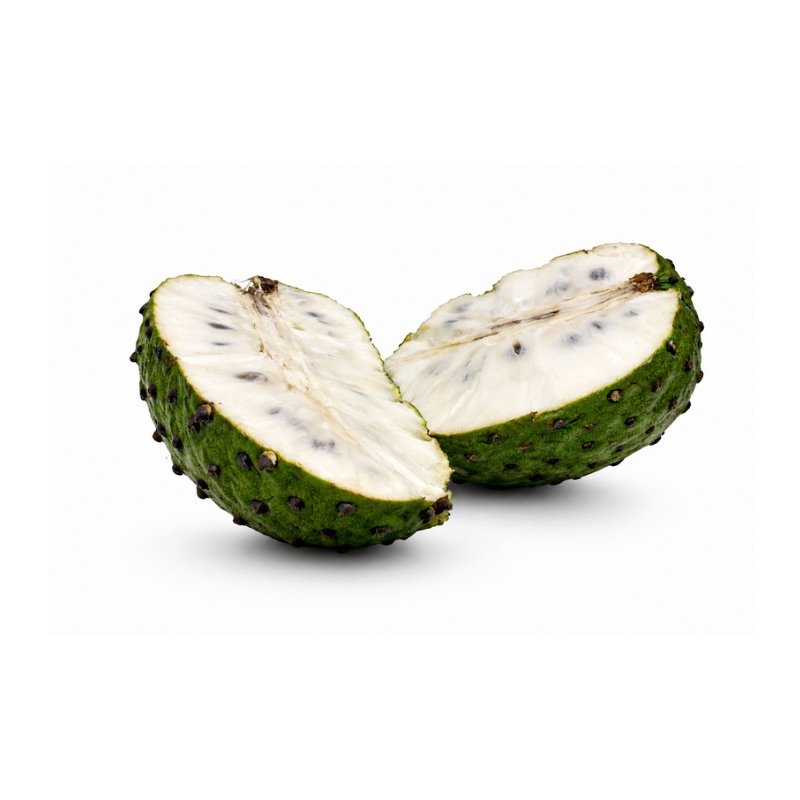
Soursop combines water and dietary fiber in a soft, creamy pulp. Eating the whole fruit rather than straining it into juice helps you keep more of that valuable fiber. Add soursop to breakfast bowls, smoothies, or naturally sweet desserts when you want to bring more variety and tropical flavor to a plant-rich diet.
Passion Fruit
Fiber and seeds to support your gut microbiome
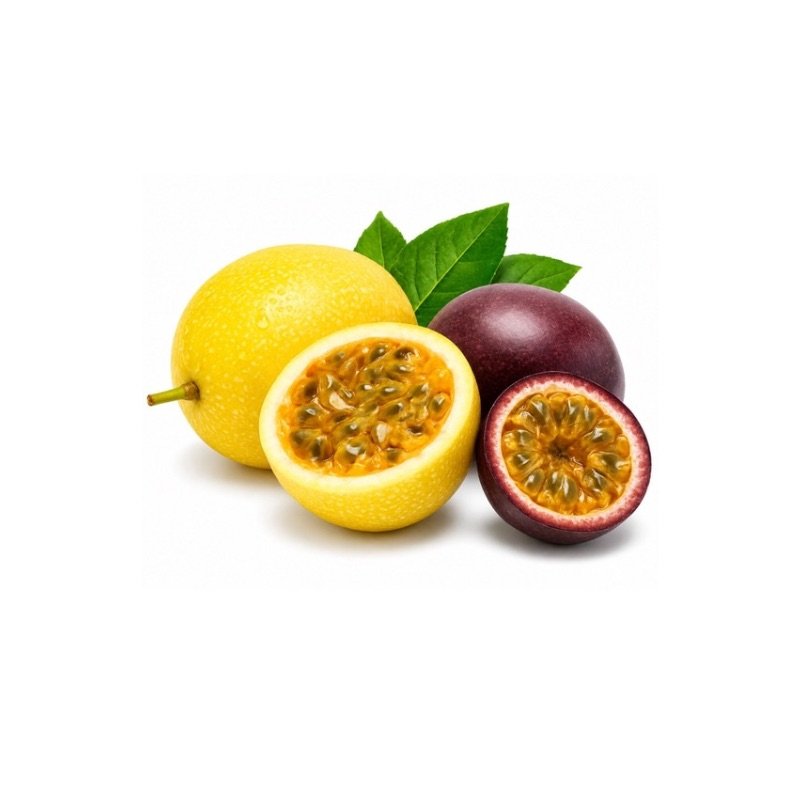
Passion fruit becomes especially interesting for gut health when you eat the crunchy seeds along with the pulp. Together they provide dietary fiber, which supports normal bowel function and helps create a fiber-rich eating pattern. Spoon passion fruit over Greek yogurt, oatmeal, chia pudding, or fresh fruit for an easy tropical upgrade.
Orange
Pectin, water, and fiber when eaten whole
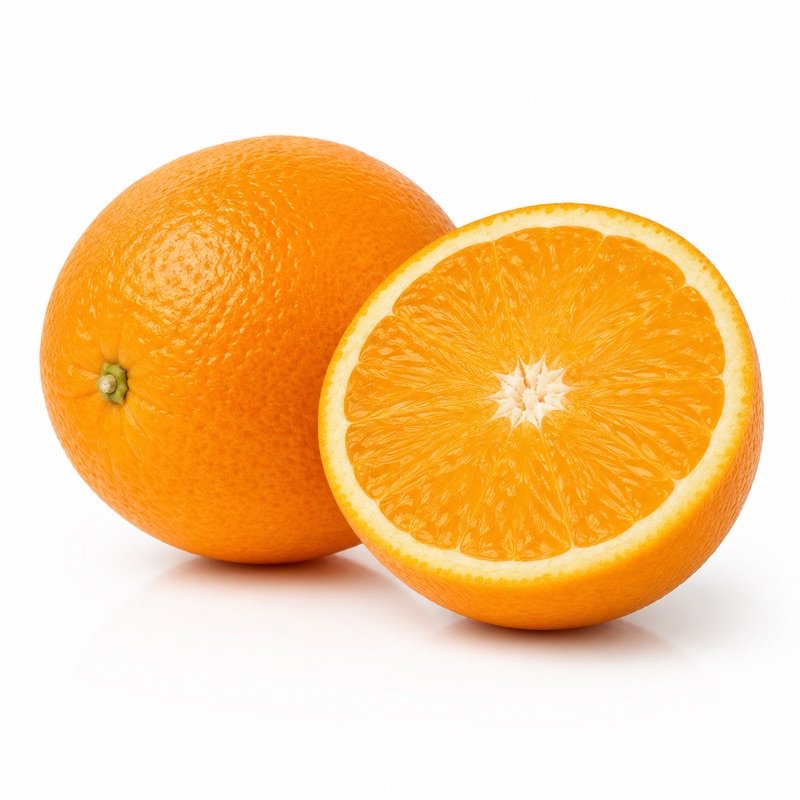
A whole orange provides water and dietary fiber, including pectin, a type of soluble fiber. That is one reason eating orange segments is generally a more fiber-friendly choice than drinking only orange juice. It is refreshing, easy to find, and a simple way to increase your daily fruit and fiber intake.
Avocado
Fiber and healthy fats for satisfying meals
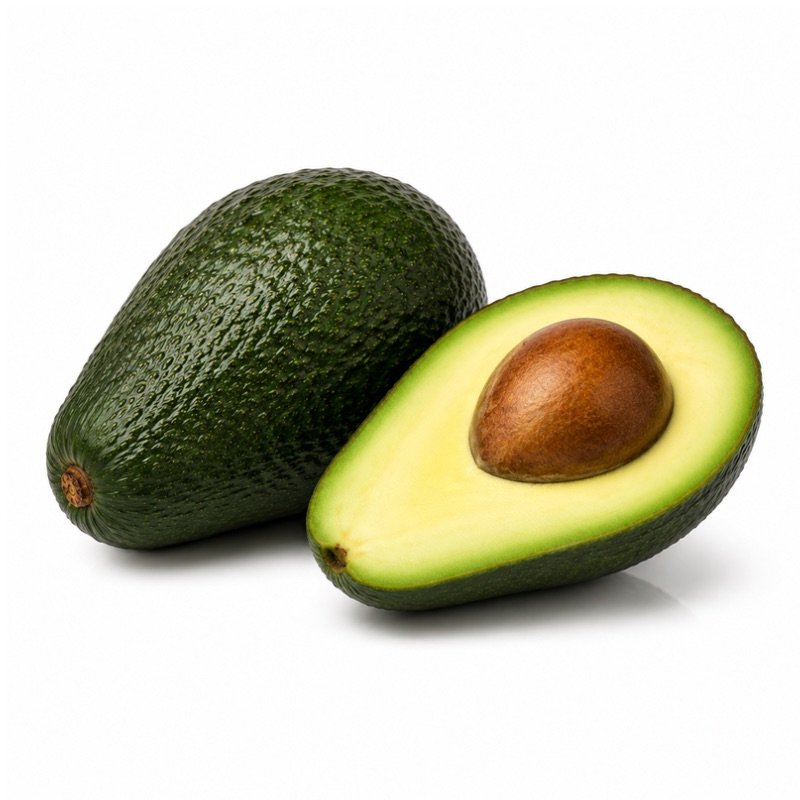
Avocado combines dietary fiber with unsaturated fats, making it an easy ingredient for more satisfying meals. Its fiber supports normal bowel function and fits naturally into a gut-friendly eating pattern. Add avocado to salads, whole-grain toast, grain bowls, or wraps alongside vegetables and other fiber-rich plant foods.
Banana
Pectin and resistant starch for a fiber-rich diet

Bananas provide dietary fiber, including pectin, and their nutritional profile changes as they ripen. Less-ripe bananas contain more resistant starch, a type of carbohydrate that behaves differently from regular starch in the digestive tract. Pair banana with oatmeal, Greek yogurt, chia seeds, or nuts for a simple breakfast with more fiber and plant variety.
Guava
Fiber to support regular bowel movements
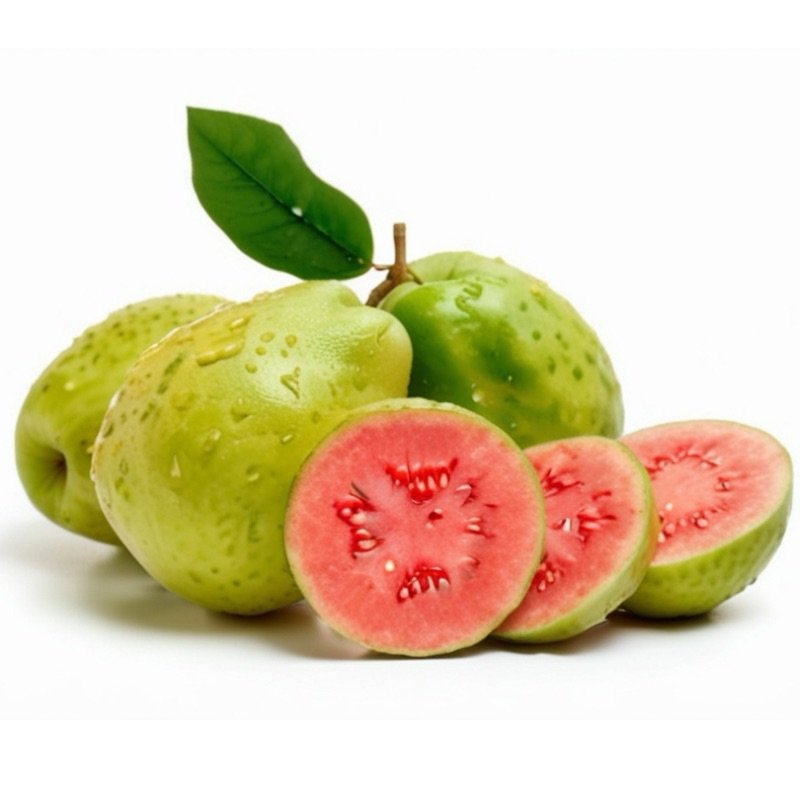
Guava stands out for its fiber content, especially when you eat the whole fruit. That fiber helps add bulk to stool and supports normal digestive regularity. Guava also provides vitamin C and naturally occurring plant compounds, making it a flavorful addition to a varied diet focused on digestive health, gut health, and overall wellness.