
Avocado for Sports: Smart Energy, Fitness Satiety, and Real-Food Recovery
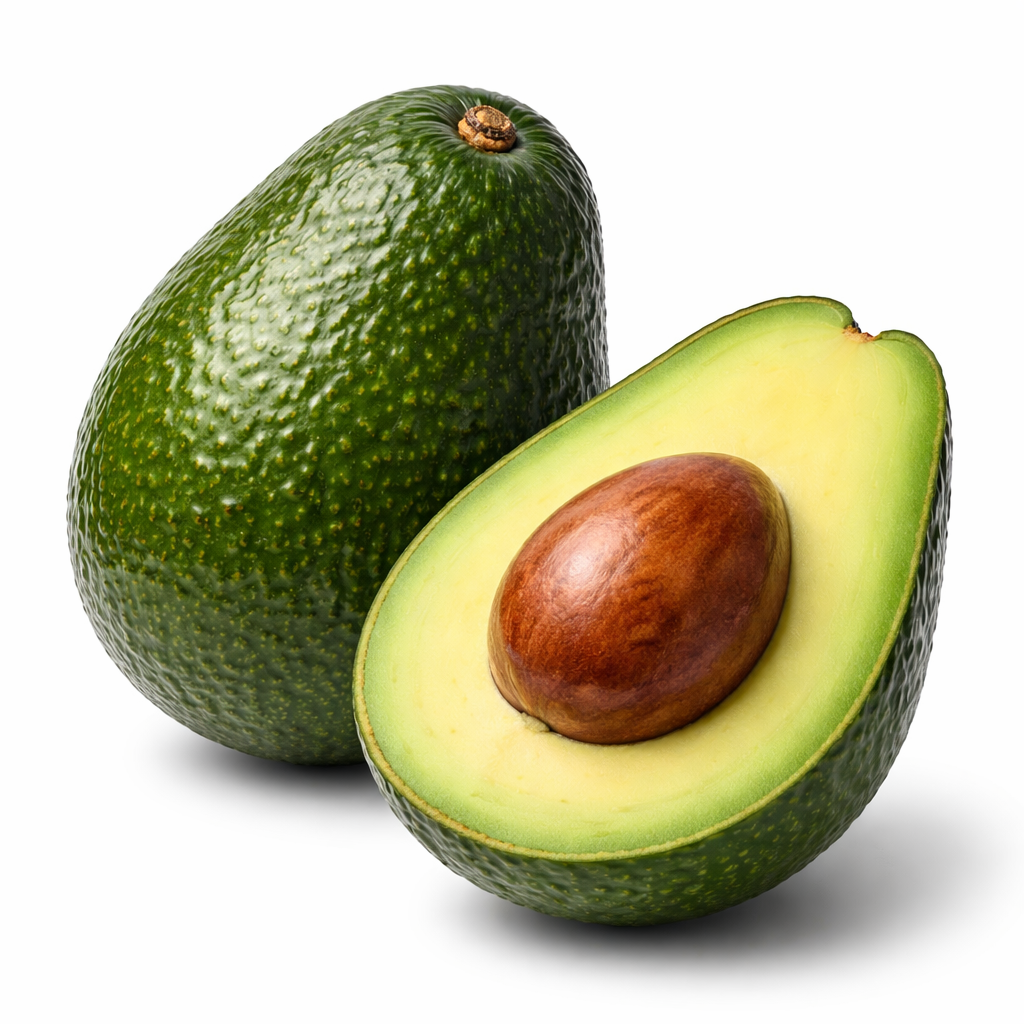
Avocado for sports is not the kind of food that gives you a quick “rush” right before training. Its power works differently: it helps you build a stronger, more satisfying, and more sustainable fitness diet when you train seriously.
If you lift weights, run, cycle, train HIIT, do strength workouts, or simply want to upgrade your fitness nutrition, avocado can be a very smart move. It brings monounsaturated fats, potassium, creamy texture, useful energy, and a powerful feeling of fullness that helps a lot when you want to perform without feeling hungry all day.
Avocado is not here to sell you magic. It is here to give you consistency. And in fitness, consistency wins championships.
Quick Breakdown: Why Avocado Fits a Serious Sports Routine
Per 100 g, avocado stands out for its monounsaturated fats, a smart way to improve the quality of a fitness-focused diet.
Per 100 g. Avocado adds potassium to support normal muscle function, although it does not replace the sodium lost through sweat.
Half an avocado gives you easy-to-use energy that fits into real meals without adding a huge amount of food volume.
Avocado works best after training or in meals away from intense exercise. That is where it really shines.
Avocado Is Not Pre-Workout. It Is Strategy.
Some foods are built for quick energy. Bananas, bread, rice, or a sports drink may work better when you need immediate fuel. Avocado plays in a different league: complete meals, smarter recovery, and long-term consistency.
In other words, do not expect avocado to explode like a pre-workout before a heavy set. Expect something more valuable: better meals, smarter recovery, and more stable energy for your next training sessions.
The Honest Claim
Avocado is not an energy gel or an electrolyte drink. It is real food for athletes who want to build a stronger base: more satiety, better fat quality, more flavor, and a fitness diet that does not feel like punishment.
More real food. Less hype. More consistency.
Benefits of Avocado for Sports and Fitness
🥑 Dense Energy for a Stronger Training Diet
When you train a lot, sometimes the problem is not motivation. The problem is that you are not eating enough, you are showing up under-fueled, or your diet gets boring. Avocado helps you add energy in a comfortable way, with real food, without turning every plate into an impossible mountain of food.
That makes it especially useful for people doing a clean bulk, strength training, muscle gain, or anyone who needs more complete meals to keep up with their training pace.
💪 Potassium to Support Muscle Function
Avocado provides potassium, an important mineral for normal muscle and nerve function. That does not mean it magically “prevents cramps,” but it does add value inside a well-built sports nutrition plan.
The key is to see it as part of the bigger picture: water, sodium, carbs, rest, training, and balanced nutrition. Avocado does not do everything, but it helps make the foundation stronger.
🔥 Monounsaturated Fats for a Higher-Quality Fitness Diet
One of avocado’s biggest strengths is its monounsaturated fat content. For athletes and active people, this can be extremely useful because it helps increase calories, improve texture, make meals taste better, and reduce dependence on ultra-processed foods.
Fitness is not only about eating “clean.” It is about eating in a way you can repeat. And that is where avocado is a gem: it makes a bowl, toast, wrap, or post-workout meal feel more satisfying and easier to stick with.
😌 More Satiety: Less Craving, More Control
A meal with avocado usually feels more complete. It fills you up, helps you stay satisfied longer, and may help you avoid arriving at the next meal ready to attack the fridge. That matters a lot if you are cutting, training often, or struggling with snacking.
This benefit is very human: when hunger is less chaotic, you make better decisions. And when you make better decisions, your fitness progress has a much better chance of sticking.
🔄 More Complete Recovery When You Combine It Right
After training, avocado can be a great add-on. But here is the key: it should not be eaten alone if recovery is the goal. For a stronger recovery meal, combine it with protein and carbohydrates. Think rice with chicken and avocado, potatoes with eggs and avocado, or a bowl with salmon, soft vegetables, and half an avocado.
That gives your plate real sports logic: carbs to replenish, protein to repair, and avocado to add energy, flavor, texture, and satiety.
Avocado Nutrition Table With a Sports Performance Read
| Nutrient | Approx. per 100 g | What it means for fitness | Practical take |
|---|---|---|---|
| Energy | 140–160 kcal | Helps increase calories without adding too much volume. | Very useful for clean bulking or complete post-workout meals. |
| Healthy fats | 12–15 g | Provides monounsaturated fats and improves meal quality. | Best away from intense training or after your workout. |
| Carbohydrates | 5–9 g | Not a strong source of fast carbs. | Do not use it as your main fuel before a hard session. |
| Fiber | 2–7 g | Supports fullness, but may slow digestion. | Better not to eat a lot right before running, HIIT, or competition. |
| Potassium | ~400 mg | Supports normal muscle function as part of a balanced diet. | Good for daily nutrition, but not a replacement for sports electrolytes. |
| Sodium | Very low | Does not replace sodium lost through sweat. | For long or hot sessions, you need a separate hydration strategy. |
Avocado Timing: When to Use It for Better Performance
Recommended Avocado Timing
Avocado works best when you respect digestion. It is not something to throw in randomly: used well, it adds a lot; used badly, it can feel heavy.
Avocado Before Training: When It Works and When It Doesn’t
Avocado before training can work if you eat it with enough time. For example, 3 or 4 hours before a strength workout, inside a meal with bread, rice, potatoes, eggs, chicken, turkey, or tofu.
But if you are short on time, it is not the best move. Its fat and fiber can slow digestion. For a quick pre-workout, options higher in carbs and lower in fat usually work better.
Avocado After Training: This Is Where It Can Shine
Post-workout avocado makes a lot of sense when it is part of a complete plate. It does not replenish glycogen like rice, potatoes, or bananas, and it does not repair muscle like a solid protein source. But it helps finish the meal with energy, texture, micronutrients, and satiety.
The winning formula is simple: carbs + protein + avocado. That combination turns a normal meal into a fitness meal with real sports logic.
Recovery Bowl
Rice, chicken, soft vegetables, and 1/4 or 1/2 avocado. Simple, powerful, and very easy to repeat.
Strength Toast
Whole-grain or sourdough bread, eggs, avocado, and tomato. A great option away from training or after strength work.
Fitness Wrap
Tortilla, turkey or tofu, rice, leafy greens, and avocado. Ideal for a complete and satisfying meal.
Dense Smoothie
Skyr or yogurt, banana, pure cocoa, and 1/4 avocado. Better as a snack or post-workout option, not right before running.
Honest Comparison: Avocado vs. Banana vs. Sports Drink
| Goal | Avocado | Banana | Sports drink |
|---|---|---|---|
| Fast pre-workout | Not the best option when you are short on time. | A very good option thanks to its carbs and convenience. | Useful if you need easy liquid energy. |
| During exercise | Not recommended. | Can help during moderate or longer efforts. | The best option if you need hydration plus sodium/carbohydrates. |
| Post-workout | Very useful as an add-on with protein and carbs. | Very useful for replenishing carbohydrates. | Useful in heat, heavy sweat, or long sessions. |
| Satiety | Very high. This is where avocado wins hard. | Medium. | Low. |
| Best use | Complete meals, clean bulking, recovery, and hunger control. | Practical pre-workout, sports snack, and quick energy. | Structured hydration and performance in long sessions. |
Quick conclusion: banana for quick energy, sports drink for hydration during long efforts, and avocado for building more complete, satisfying, and sustainable sports meals.
FAQ: Avocado, Sports, and Fitness
Is avocado good before training?
Yes, but only with enough time. Ideally, eat it 3 or 4 hours before training as part of a complete meal. If you are training in less than an hour, it is usually better to choose something lighter and higher in carbs.
Does avocado work as a natural pre-workout?
Not as a fast pre-workout. It is not designed to give immediate energy. Its real value is satiety, healthy fats, meal quality, and long-term nutrition consistency.
Can avocado help with muscle gain?
Avocado does not build muscle by itself, but it can help in a bulking diet because it adds energy, improves meals, and pairs very well with protein and carbohydrates.
Is avocado good after training?
Yes, especially when you combine it with a protein source and carbohydrates. For example: rice with chicken and avocado, potatoes with eggs and avocado, or a post-workout bowl.
Does avocado hydrate like a sports drink?
No. Although it provides potassium, it is very low in sodium and is not designed to replace fluids and electrolytes during long, sweaty sessions.
How much avocado should I eat in a fitness meal?
A practical amount is usually between 1/4 and 1/2 avocado, depending on your calories, goal, digestion, and type of training.
Smart Precautions
Avocado can be very useful in a fitness diet, but it does not always fit close to training. If you have sensitive digestion, do intense running, HIIT, intervals, or competition, test it first on normal training days and do not improvise right before an important session.
It is also important to remember that avocado provides calories. That is an advantage when you need more energy, but it can work against you during a cutting phase if you do not control portions.
Avocado Mode: ON 🥑
Avocado does not need fake hype to be useful. When you use it well, it can help you build a stronger, more satisfying, and easier-to-maintain sports diet.
It is not the king of fast pre-workout fuel. It is not an electrolyte drink. It is not an energy gel. But as part of a real meal, it can be one of the best tools to support your progress.
More real food. More satiety. More consistency. Better training days.
Note: this content is for informational purposes only and does not replace advice from a healthcare professional or sports nutrition specialist.