
8 Tropical Fruits for Healthy Skin: Nutrients Worth Knowing
Can what you eat help support healthy-looking skin? These eight tropical fruits bring vitamin C, colorful carotenoids, and other nutrients to the table. From tart goldenberries to juicy pomegranate seeds, they make it easier to add variety to your meals. Think of them as part of a balanced skin-friendly diet—not a shortcut to perfect skin.
Goldenberry
Vitamin C and colorful carotenoids
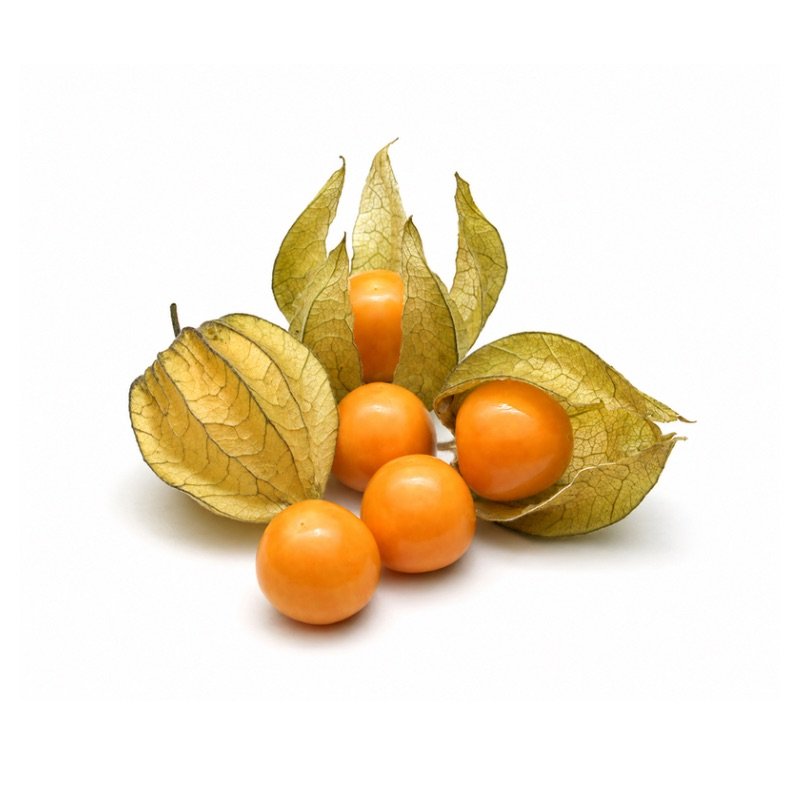
Goldenberries, also called uchuva or cape gooseberries, pack a bright, tangy flavor into a small fruit. They provide vitamin C, which your body needs to make collagen, along with carotenoids that give them their golden color. Try them with plain yogurt or toss a few into a salad.
Star Fruit
A refreshing fruit with vitamin C
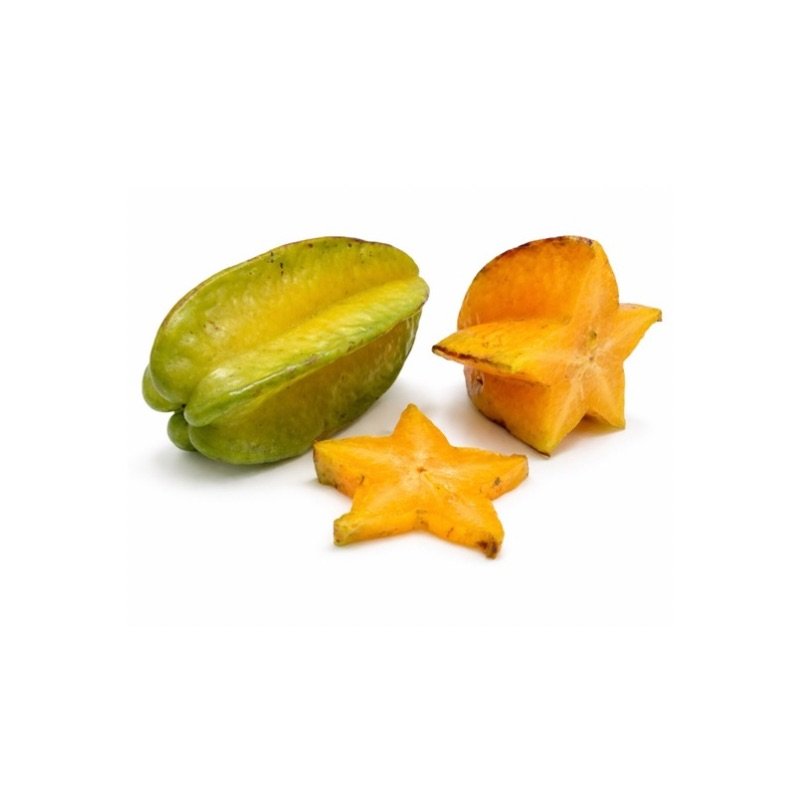
Slice a star fruit crosswise and you get little stars that brighten up a fruit bowl. Also known as carambola, it provides water and vitamin C, a nutrient involved in collagen production. Enjoy it fresh for its crisp, lightly tart flavor—not as a promise to transform your skin.
Camu Camu
An Amazonian fruit rich in vitamin C
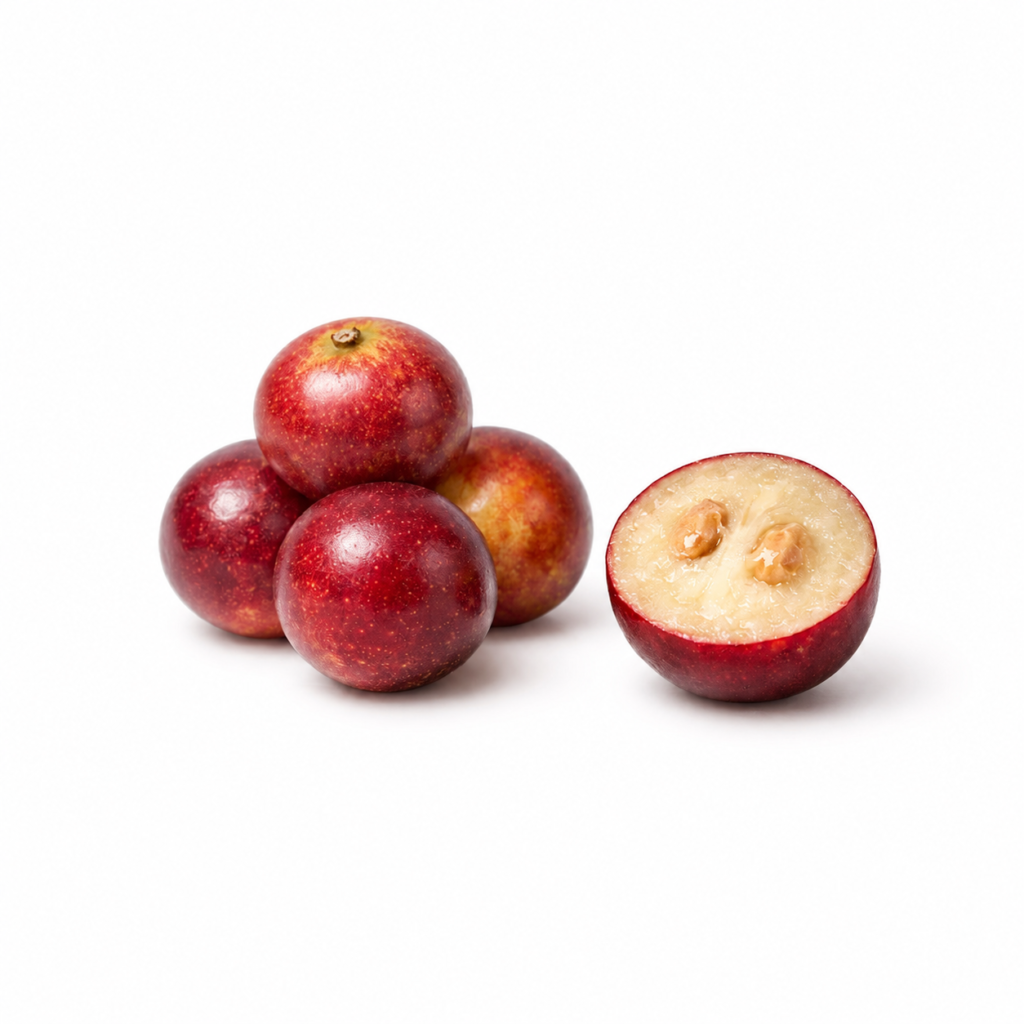
Small and intensely tart, camu camu stands out for its vitamin C content. Your body uses vitamin C to make collagen, an important protein in the skin. The amount in the fruit can vary with ripeness and processing, and even a vitamin C-rich fruit won’t erase wrinkles.
Guava
Vitamin C for normal collagen production
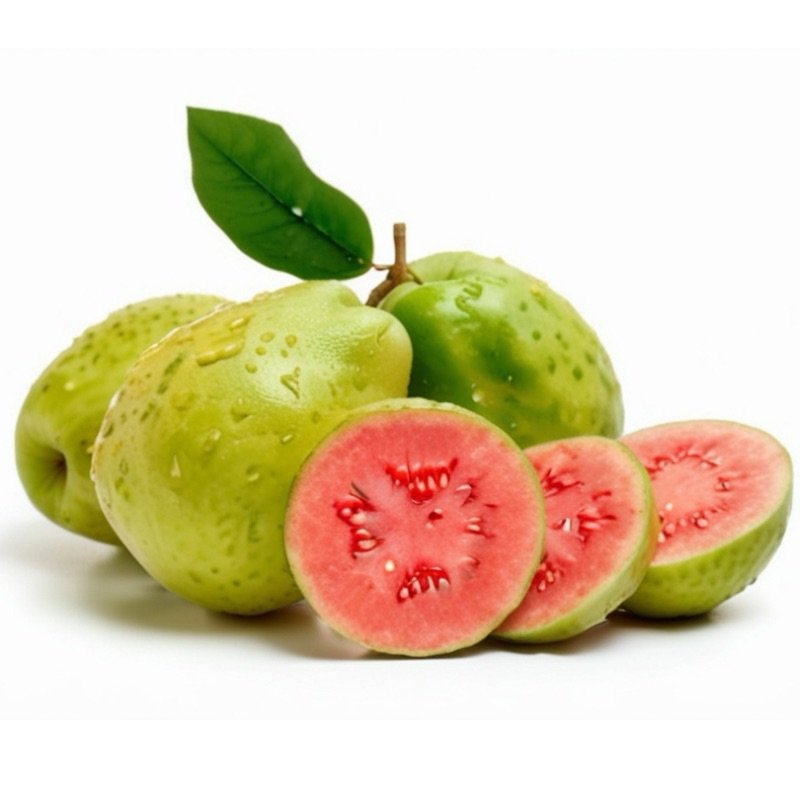
Fragrant, sweet, and easy to enjoy fresh, guava is a standout source of vitamin C. This nutrient helps your body produce collagen for normal skin function. Eat the fruit whole if you enjoy its tiny edible seeds, and let its flavor add something new to your snack routine.
Papaya
Vitamin C and colorful carotenoids
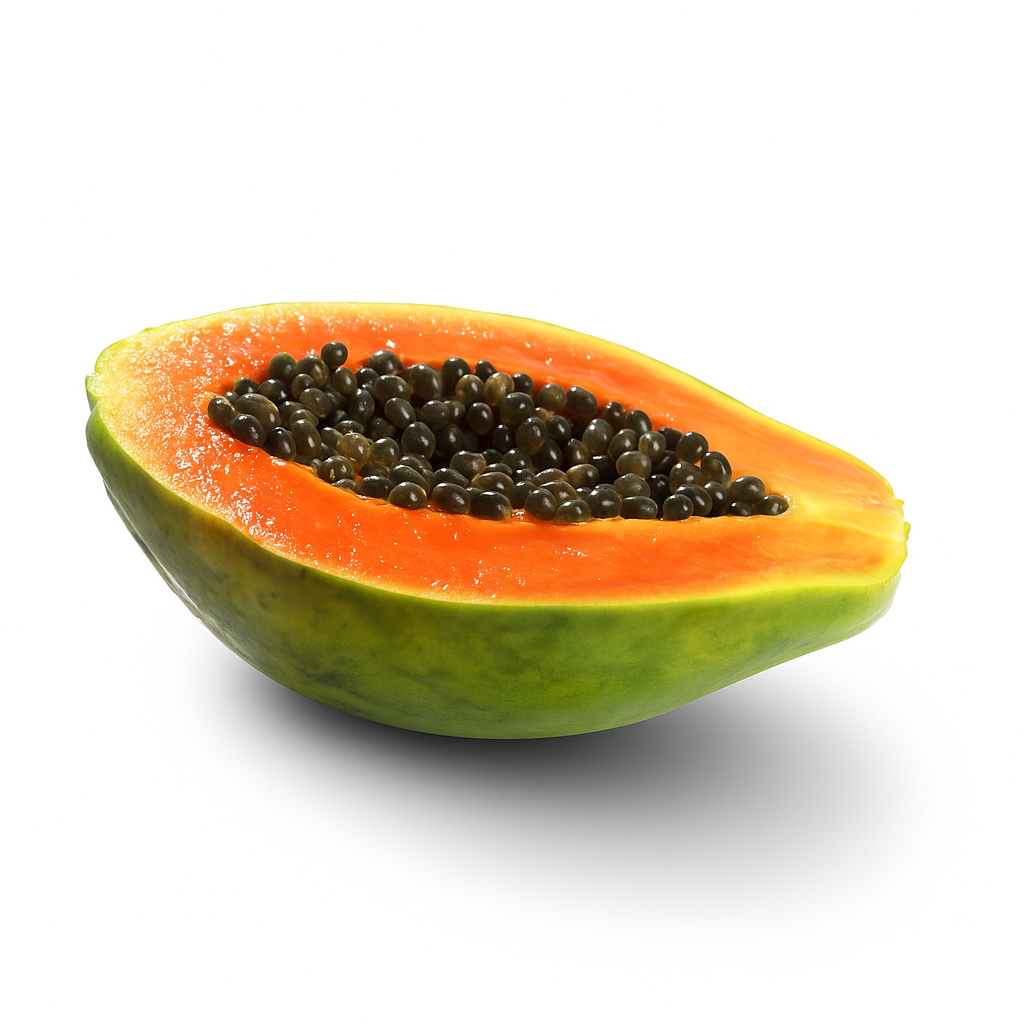
Ripe papaya brings vitamin C and carotenoids to your plate—the pigments behind some of its warm orange color. Its soft texture works especially well with plain yogurt or oatmeal. It’s a delicious way to vary the plant foods you eat, even though it won’t change your skin overnight.
Mango
Vitamin C and carotenoids in a sweet fruit
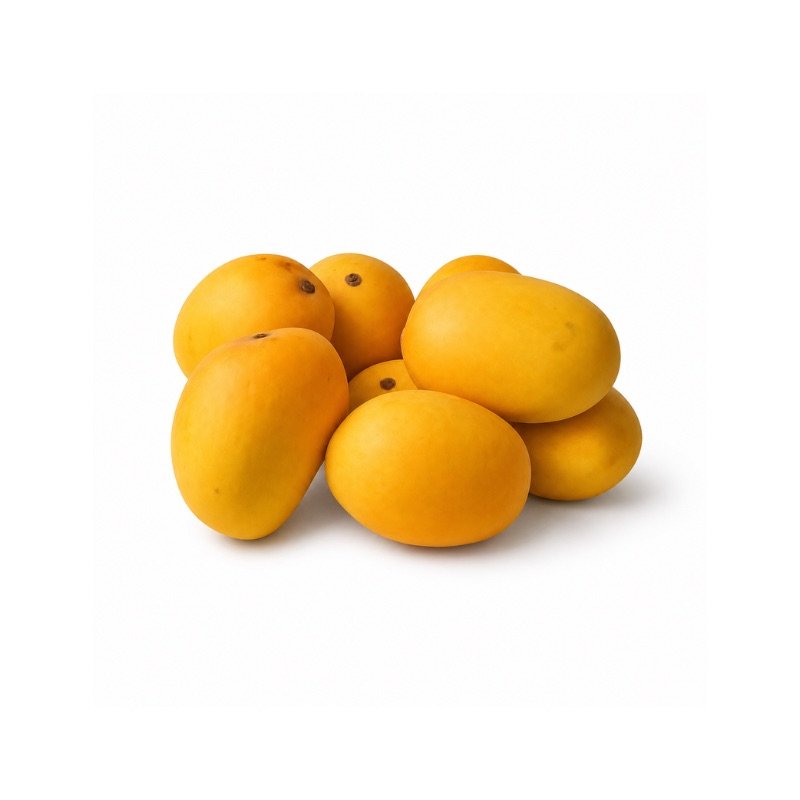
Mango pairs natural sweetness with vitamin C and carotenoids. Vitamin C helps your body make collagen, while some carotenoids can be converted to vitamin A. Add a few fresh mango slices to breakfast for a splash of color and another way to enjoy fruit.
Avocado
Unsaturated fats for a balanced diet
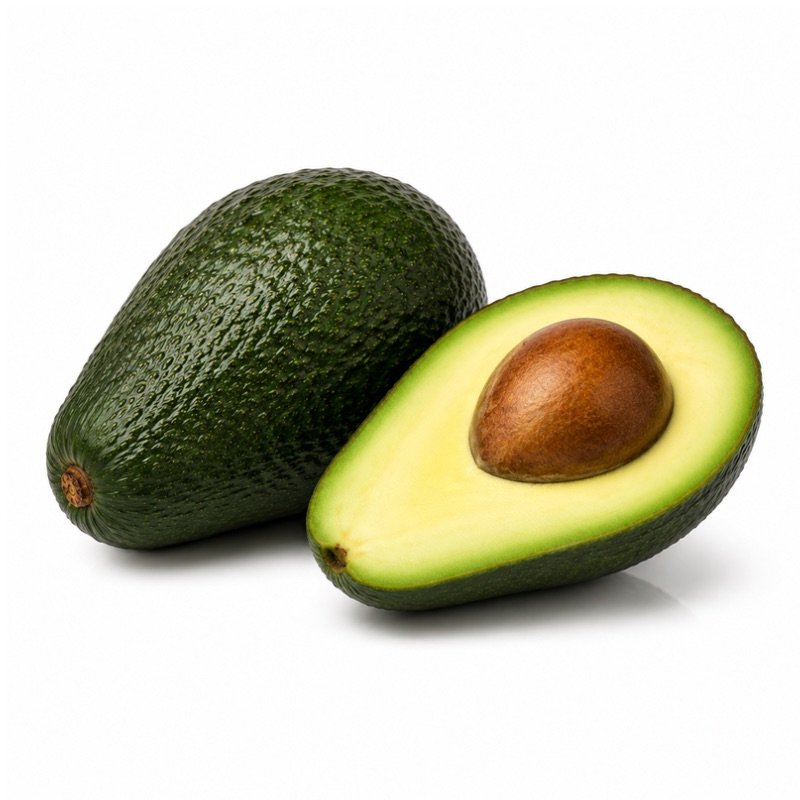
Avocado adds creamy texture and unsaturated fats to toast, salads, and grain bowls. Including a variety of plant foods and fats is a practical approach to eating well for overall health, including skin health. Enjoy a portion that fits your meal rather than expecting one food to do all the work.
Pomegranate
Polyphenols and a burst of color
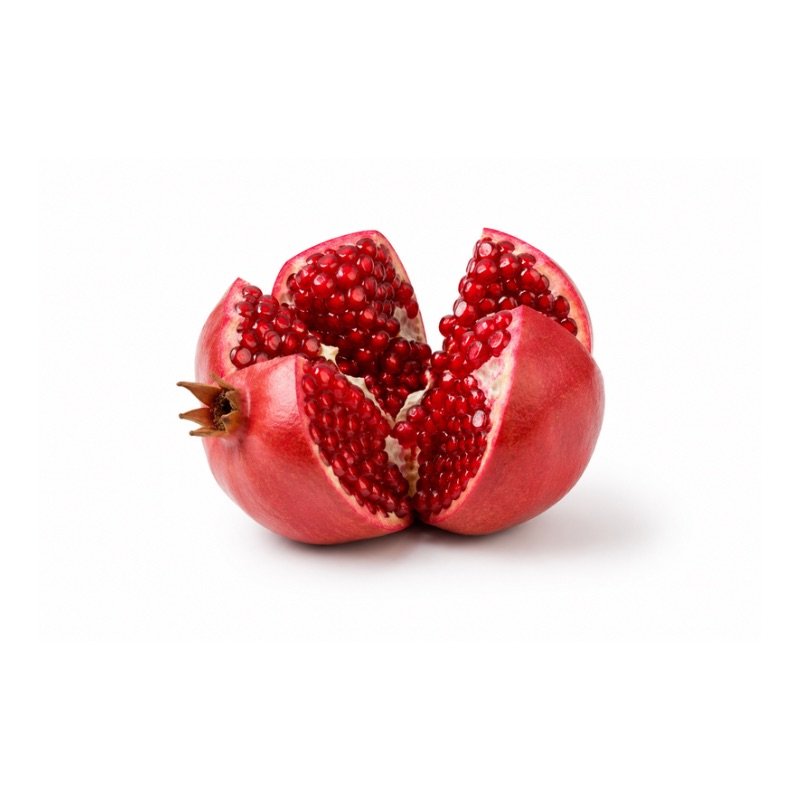
Pomegranate seeds bring polyphenols, bright color, and a juicy crunch to salads or yogurt. They’re an easy way to mix up the fruits in your routine. Researchers are studying pomegranate compounds and skin health, but eating the fruit is no replacement for sunscreen.
A varied diet can help – you get nutrients your skin needs, but no fruit erases wrinkles or replaces sunscreen. If you have kidney disease, avoid star fruit and talk with your healthcare professional before eating it.